2026-08-03
Content
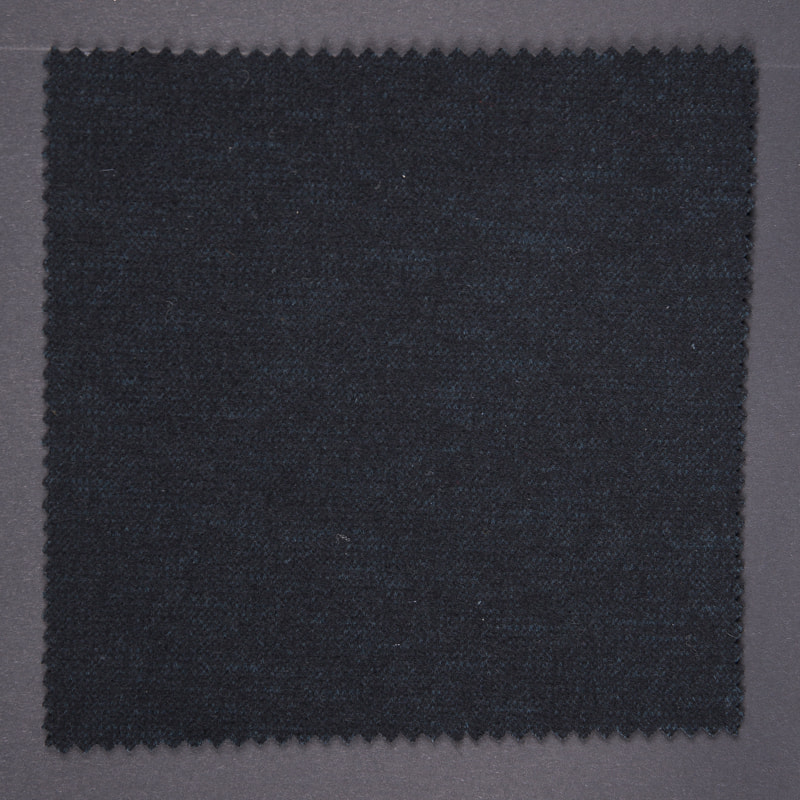
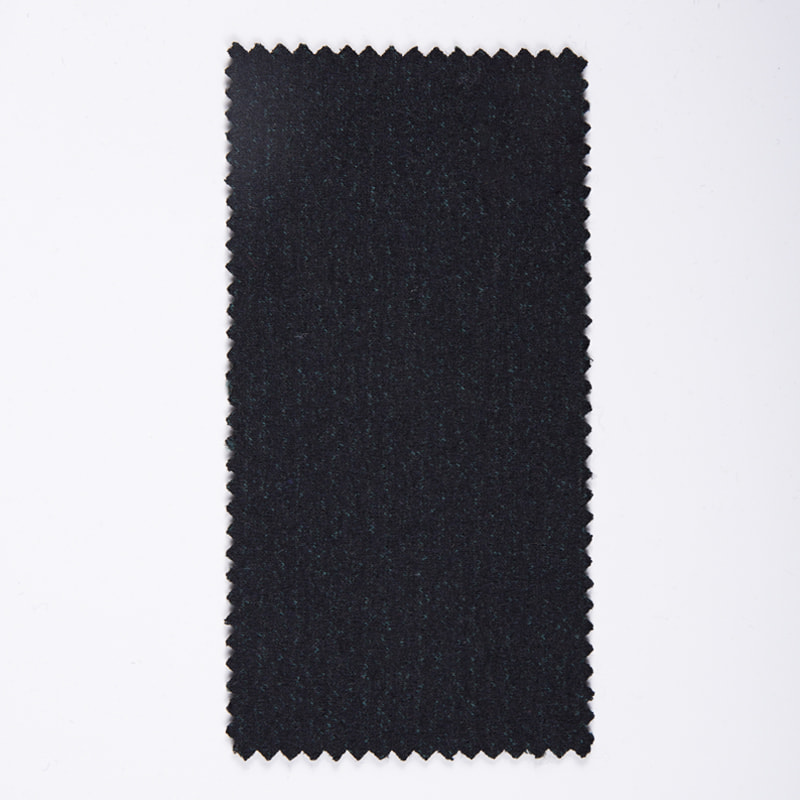
Double-face wool fabrics present a distinctive pressing challenge that separates novice sewists from seasoned artisans. Unlike conventional woolens, these materials feature two finished faces woven together through a specialized process that joins layers with the most luxurious sides facing outward . This construction allows garments to remain unlined while providing superior warmth, but it also demands a fundamentally different approach to ironing.
Standard pressing techniques often fail with Double-face wool fabrics because the interlocking weave structure traps heat and moisture differently than single-face materials. The two layers respond to temperature and steam with varying tension, making the fabric prone to distortion if handled incorrectly. This guide presents professional methods refined through extensive workshop practice, focusing on preserving the pristine finish that makes these textiles so desirable in high-end tailoring.
Before pressing, you must understand what you are working with. Double-face wool is created by joining two layers of fabric—often wool and cashmere blends—with the most luxurious sides facing outward . The joining process involves a specialized weaving technique that produces a clean, refined finish without visible seam allowances on either face. This construction has several implications for ironing.
Most double-face wool fabrics blend wool with cashmere or other luxury fibers. A typical composition might be 90% wool and 10% cashmere . This blend offers exceptional softness but also creates differential heat sensitivity. Wool fibers shrink and felt under excessive moisture and heat, while cashmere is even more delicate. The interlocking weave means that heat applied to one side transfers through to the other, requiring precise temperature control.
| Property | Wool Component | Cashmere Component | Combined Effect |
|---|---|---|---|
| Heat tolerance | Moderate (150-180°C) | Low (120-150°C) | Use lower temperature range |
| Moisture response | Moderate shrinkage risk | High shrinkage risk | Limit steam application |
| Pressing pressure | Medium | Light | Apply minimal pressure |
The dual-faced nature means you cannot simply press the wrong side as you would with conventional wool. Both faces are equally visible, so any pressing mark, shine, or distortion will show. Additionally, the two layers can shift relative to each other during ironing, creating bubbling or distortion that is extremely difficult to correct. Professional pressing requires a method that respects the fabric's construction while delivering crisp, professional results.
Rushing into pressing without proper preparation is the most common cause of ruined double-face wool garments. The following preparatory steps have been established through extensive textile testing and workshop practice.
Before pressing your garment, you must test temperature settings on a scrap piece or an inconspicuous area. This is not optional with double-face wool. Set your iron to a wool setting, typically around 150°C, and test for 3-5 seconds on the sample. Inspect both faces for:
If any of these occur, reduce temperature by 10°C and test again. The correct temperature for double-face wool often falls between 130-160°C, depending on the specific fiber blend.
Double-face wool requires careful moisture management. While steam can help relax fibers, excessive moisture causes the two layers to shrink at different rates, resulting in puckering. Always use:
According to historical textile guidance, dampening wool before pressing helps prevent shrinkage, but the cloth should be rolled in a damp sheet and allowed to stand until uniformly damp . This technique allows both sides to dampen evenly before pressing.
With preparation complete, you can proceed to the pressing itself. These techniques have been refined through years of tailoring practice and deliver consistent results with double-face wool.
A wool pressing mat provides significant benefits for double-face fabrics. Wool mats retain heat within their layers, which then penetrates the underside of the fabric . This means you are effectively pressing both sides simultaneously without flipping the material repeatedly. This double-sided heating reduces the risk of differential shrinkage and helps set the press more evenly.
When using a wool mat, spread the fabric as flat as possible, ensuring no wrinkles exist on the underside either . The retained heat will work through the mat, pressing the reverse face while you work on the top face.
Seams in double-face garments are joined using specialized techniques that result in a clean, refined finish . When pressing seams, use a seam roll or tailor's ham to avoid creating impressions on the face. Place the seam over the curved surface and press from the inside, using the ham's shape to maintain the seam's natural roll. Edge pressing requires particular care: use a clapper (a flat, smooth piece of hardwood) to set the press by placing it over the just-pressed area and holding firmly for 10-15 seconds.
Even with careful technique, issues can arise. The following guide provides solutions to common pressing problems with double-face wool fabrics.
| Problem | Likely Cause | Solution |
|---|---|---|
| Glossy shine on fabric | Iron temperature too high; insufficient pressing cloth | Reduce temperature; use thicker pressing cloth; sponge area with diluted vinegar and press again with cloth |
| Fabric distortion or stretching | Iron slid across fabric; too much pressure | Repress with light pressure using lifting motion; block the garment to correct shape |
| Puckering or bubbling | Uneven moisture distribution; differential shrinkage | Dampen entire section evenly; press with wool mat for balanced heat; allow to cool under weight |
| Permanent crease | Iron left in place too long; temperature too high | Apply moisture and press with light steam; use a damp cloth and press from inside; if severe, dry clean may be required |
| Felted or matted fibers | Excessive moisture combined with pressure and heat | Cannot be fully reversed; prevent with careful moisture control; brush gently with velvet brush |
For those seeking to achieve truly professional results, these advanced techniques address the specific characteristics of double-face wool.
Blocking is a technique used to restore the intended shape of a garment. For double-face wool, blocking is performed by dampening the fabric, arranging it to the desired dimensions on a flat surface, and allowing it to dry completely. This method is effective for:
Historical textile practices suggest that for a wide fabric folded in the middle, you should leave it doubled while dampening. After standing a few hours, reverse the roll so both sides may dampen evenly before pressing . This ensures uniform moisture distribution across the entire width.
A clapper is a simple but essential tool for professional pressing. Made of smooth hardwood, the clapper is placed over a just-pressed area and held firmly for 10-15 seconds. It absorbs remaining moisture and steam while the wood's pressure helps set the press, producing crisp, flat seams and edges without shine or glazing.
Professional pressing of double-face wool requires more than just an iron. The following tools are recommended for optimal results.
For industrial applications, specialized machines exist for double-faced wool fabric processing, offering features like intelligent temperature control and dual-motor synchronous feeding . However, these tools are beyond the scope of home or small workshop use.
Proper care extends the life of double-face wool garments and reduces the frequency of pressing. Following these guidelines helps maintain the fabric's appearance and structure.
Direct steam is not recommended for double-face wool. The moisture can penetrate unevenly between the two layers, causing differential shrinkage and puckering. Instead, use a damp pressing cloth or a spray bottle to apply moisture evenly, and press with a dry iron set to the correct temperature.
Shine occurs when the iron temperature is too high or when pressure is applied without a protective cloth between the iron and fabric. Wool fibers flatten under excessive heat and pressure, creating a glossy appearance. To prevent this, always use a pressing cloth and keep the temperature at the lowest effective setting.
For wrinkle removal, hang the coat in a steamy bathroom for 15-20 minutes. The moisture relaxes the fibers without applying direct heat. For stubborn wrinkles, use a pressing cloth and press from the inside of the garment using a tailored ham. Never press from the outside without a pressing cloth.
The correct temperature typically falls between 130-160°C (265-320°F), depending on the specific fiber blend. Always test on a scrap piece or inconspicuous area before pressing the visible portions of your garment. If the fabric contains a high percentage of cashmere, use the lower end of this range.
You should only press from one side, using a wool pressing mat to achieve double-sided effect. The mat retains heat that penetrates the underside of the fabric, effectively pressing both sides simultaneously without you needing to flip the material . This approach is safer than pressing from both sides directly.
Water stains can sometimes be removed by pressing the area with a dry pressing cloth at a moderate temperature. The heat drives out the moisture evenly. If the stain persists, professional dry cleaning is recommended, as double-face wool fabrics should be dry cleaned with any solvent except trichloroethylene .
Pressing Double-face wool fabrics demands precision, patience, and respect for the material's unique construction. The combination of two finished faces, blended fibers, and interlocking weave structure creates a textile that cannot be pressed with conventional techniques. By understanding the fabric's composition, controlling temperature and moisture, and using appropriate tools like a wool pressing mat, clapper, and pressing cloth, professional results become consistently achievable. Every press should be approached as a considered process. When you lift the iron and see the fabric transformed—crisp, smooth, and lustrous—you will understand why these techniques are worth the extra care and attention.
Related Products

© 2024 Suzhou Aodejia Textile Technology Co., Ltd. All Rights Reserved.





 English
 Español