



 English
 Español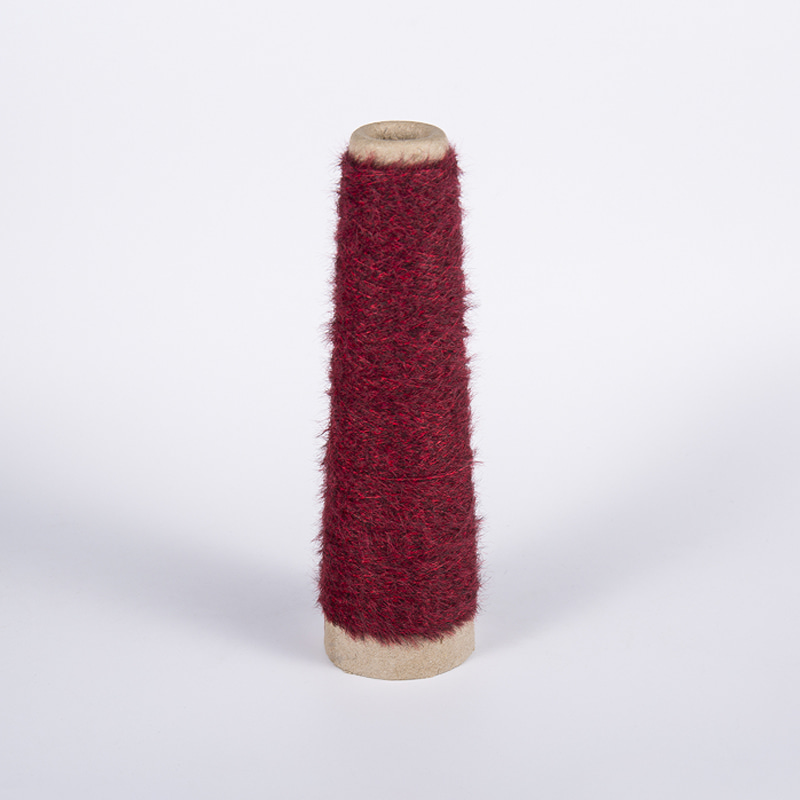
A magic ring should close in ten seconds. With the wrong chenille yarn, it takes three attempts - and on the final pull the core snaps clean through. That failure is why many crocheters give up on c...
READ MOREProduct Category
A magic ring should close in ten seconds. With the wrong chenille yarn, it takes three attempts - and on the final pull the core snaps clean through. That failure is why many crocheters give up on c...
READ MORENo label. No ball band. No memory of the shop or the project it came from. Every crafter's stash hides at least one mystery skein, and the question is always the same: is this a fine thread or a chu...
READ MOREA shipment of wool overcoats just returned from a retail partner with uniform complaints: fabric stiffness, heavy pilling, and a handfeel that disappeared after the first wash. The garment brand had...
READ MOREThe main ingredients and manufacturing materials of Feather Yarn usually include the following:
Polyester: This is the most common ingredient. Polyester has good strength and durability, and is soft, making it suitable for making feather yarn.
Acrylic: Acrylic fiber is often used to increase the lightness and softness of feather yarn. It also has good warmth retention, which is suitable for winter clothing.
Wool: Some high-end feather yarns may contain natural wool, which increases warmth and comfort, while also giving the yarn a unique touch.
Nylon: Nylon fiber is often used to increase the wear resistance and strength of feather yarn, making it more durable.
Polypropylene: This material may also be used to enhance the lightness and warmth of feather yarn, suitable for outdoor and sportswear.
Blended materials: Some feather yarns may be mixed with multiple fibers to combine the advantages of different materials, such as softness, warmth and durability.
Manufacturing Process
The manufacturing process of feather yarn generally includes the following steps:
Fiber selection: Select the appropriate fiber material according to the required performance.
Spinning: The fibers are combed and spun to form fine yarn.
Dyeing: The yarn is dyed to increase its color and visual appeal.
Post-processing: Includes shaping and finishing to ensure the quality and characteristics of the yarn.
Packaging and distribution: Finally, the finished feather yarn is packaged and prepared for sale and distribution.
Feather yarn is widely used in a variety of clothing and textiles such as sweaters, scarves, and coats due to its lightness, softness and warmth.
Proper care and washing methods can extend the life of products made with Feather Yarn and maintain their appearance. Here are some suggestions:
Washing precautions
Hand wash first:
Try to choose hand washing instead of machine washing. Put the product in cold water and rub it gently to avoid damaging the yarn structure.
Use mild detergent:
Choose mild neutral detergents and avoid detergents containing bleach or strong chemical ingredients.
Avoid soaking:
Do not soak feather yarn products for a long time to avoid fiber deformation.
Gentle washing:
When washing, rub gently and avoid pulling or twisting the product to protect its shape and texture.
Rinse thoroughly:
Rinse thoroughly with clean water to ensure that there is no detergent residue.
Drying and storage
Natural drying:
Do not use a dryer. The product should be laid flat on a clean towel, gently pressed to remove excess water, and then placed in a cool and ventilated place to dry, avoiding direct sunlight.
Avoid hanging:
Avoid hanging feather yarn products to prevent them from deforming. They can be stored flat or folded.
Storage environment:
When storing, make sure the product is placed in a dry, cool place, avoid humidity and high temperature environment to prevent mildew and damage.
Daily maintenance
Regular combing:
Use a soft brush or hand to gently comb the surface of the feather yarn to remove dust and hair balls to keep the appearance neat.
Avoid friction: Avoid friction with rough materials to reduce the risk of fuzzing and damage.

© 2024 Suzhou Aodejia Textile Technology Co., Ltd. All Rights Reserved.
