2026-01-02
Content
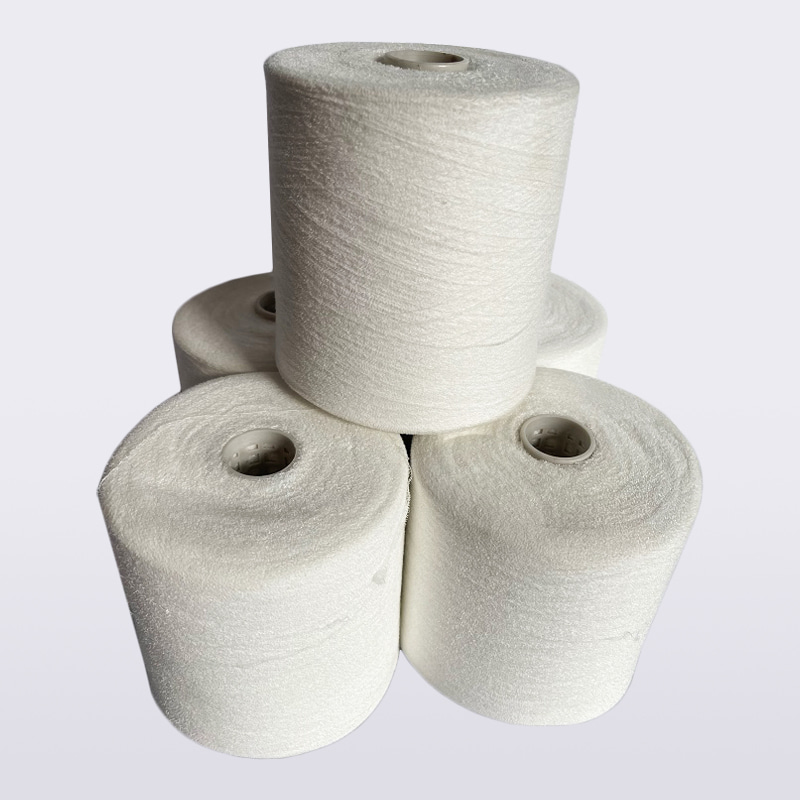
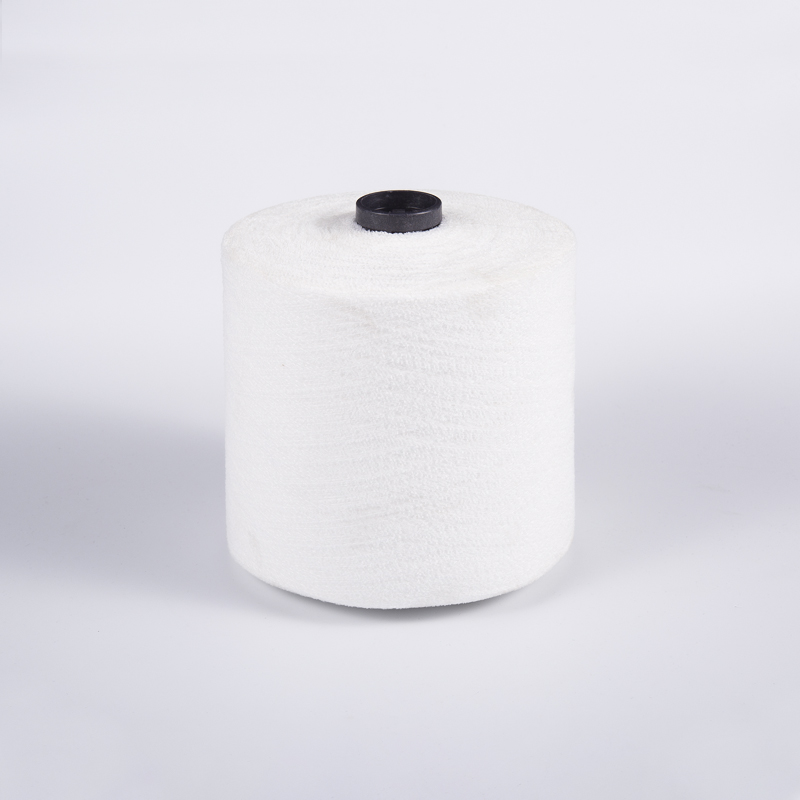
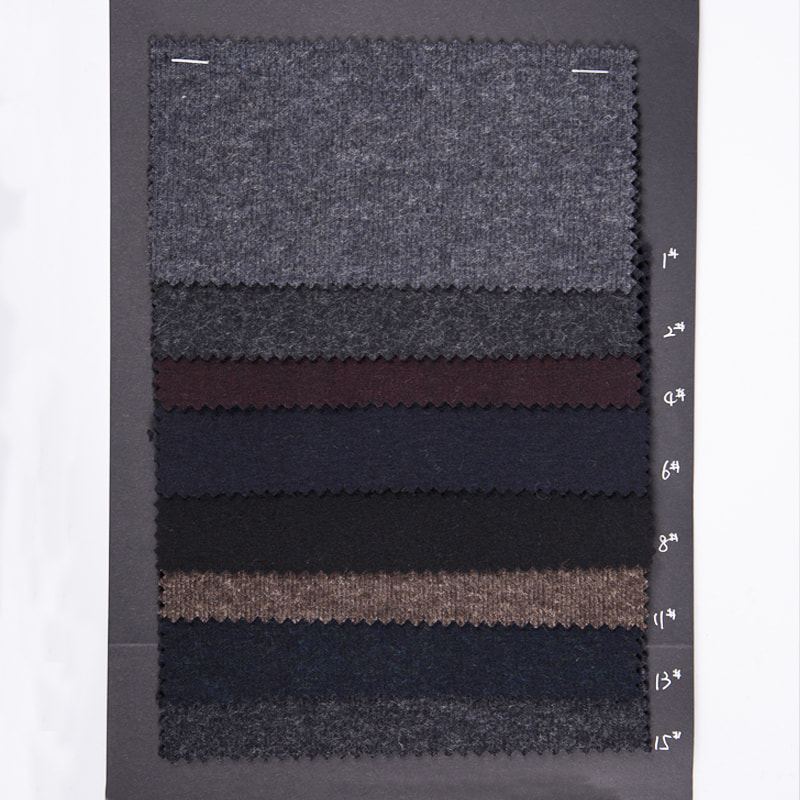
In the world of textiles, few materials combine tactile luxury with visual warmth quite like chunky knit chenille yarn. This distinctive yarn has surged in popularity for DIY enthusiasts and commercial fabric producers alike, prized for its plush, velvety texture and exceptional softness. For businesses seeking reliable, high-volume production of premium yarns and fabrics, partnering with an experienced manufacturer is key. With over two decades of industry expertise, Suzhou Aodejia Textile Technology Co., Ltd. stands as a professional factory integrating R&D, production, and sales. Our extensive capabilities allow us to not only focus on producing a variety of fancy yarns, including top-quality chenille, but also weave them into an array of luxurious fabrics, ensuring a seamless pipeline from fiber to finished product.
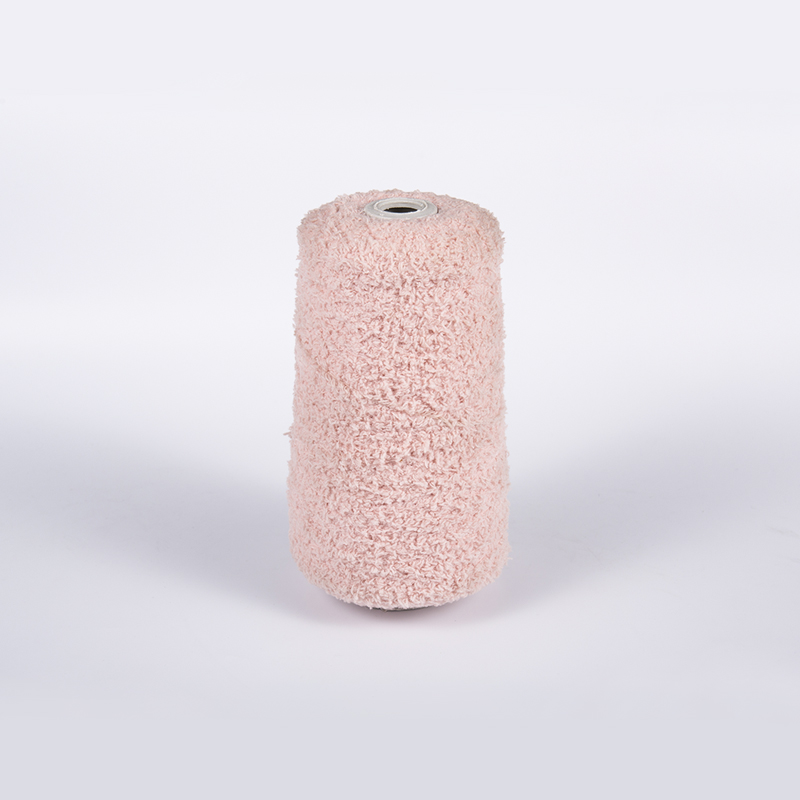
Chenille yarn is unique in its structure. Unlike simple spun yarns, it is constructed with a core thread that is wrapped with short lengths of fiber, called "pile," creating its characteristic caterpillar-like appearance (the word "chenille" is French for caterpillar). Chunky knit chenille yarn takes this foundational structure and scales it up, using thicker cores and denser, longer pile to produce a yarn that is exceptionally bulky and soft.
The versatility of this yarn is one of its greatest assets. It bridges the gap between handicraft and industrial textile production, serving a wide range of creative and functional purposes.
This is perhaps the most popular category, especially for hand-knitters. The yarn is perfect for adding a touch of cozy elegance to any living space.
While bulkier, chunky chenille can make stunning fashion statements.
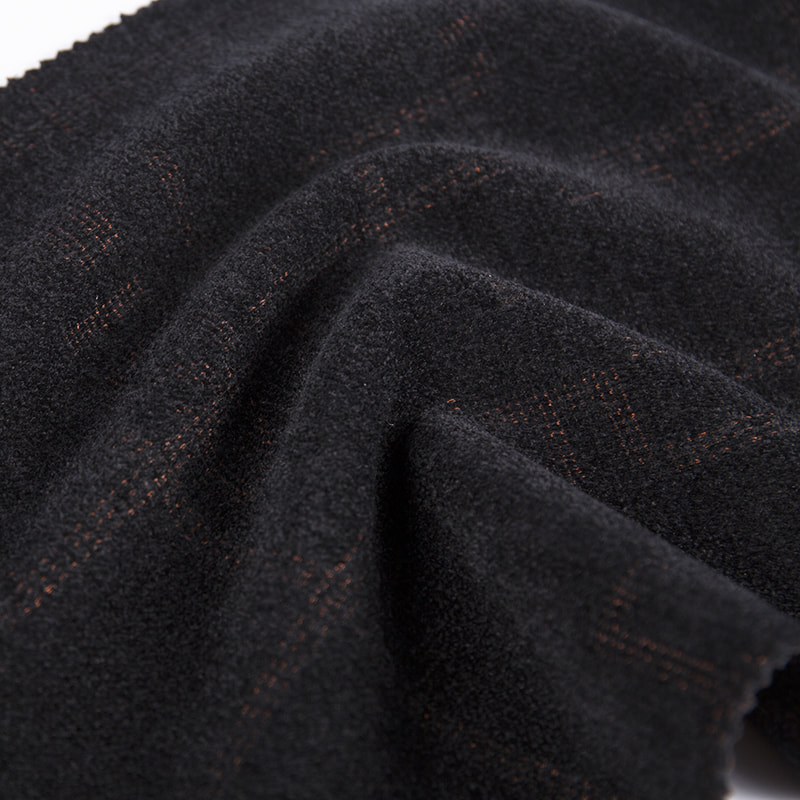
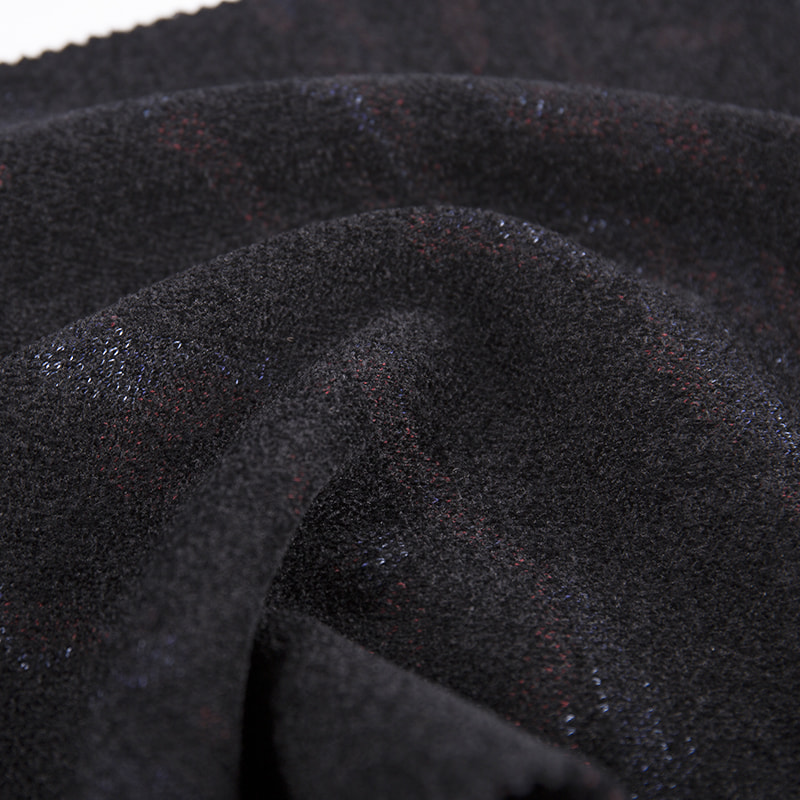
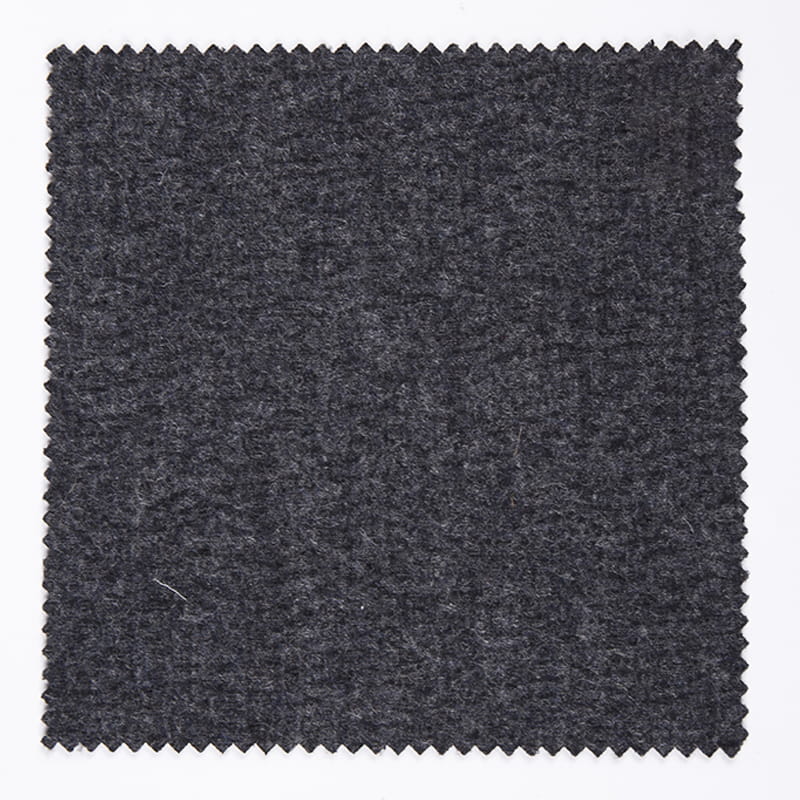
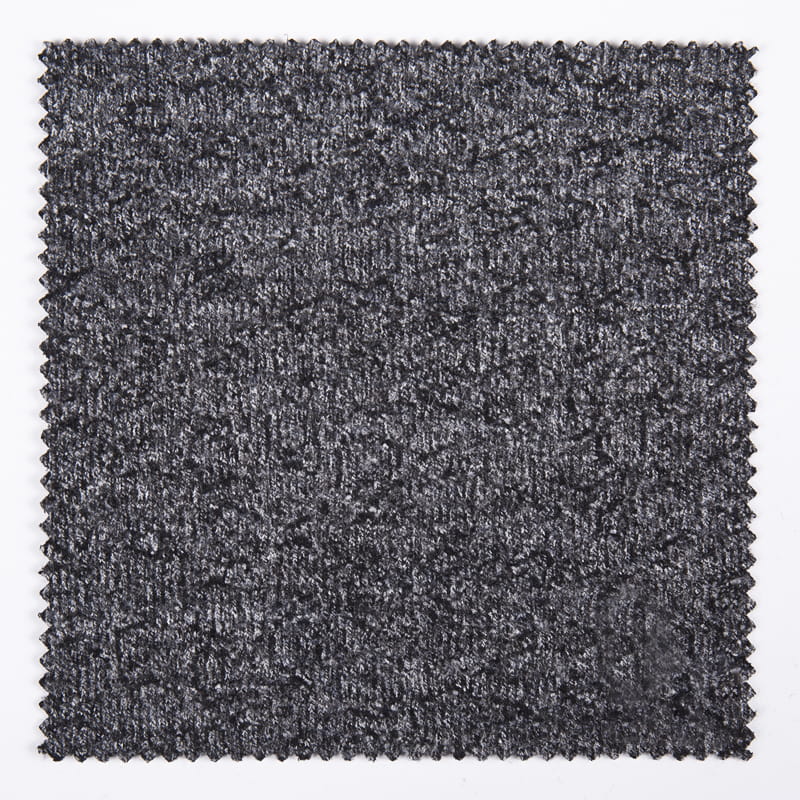
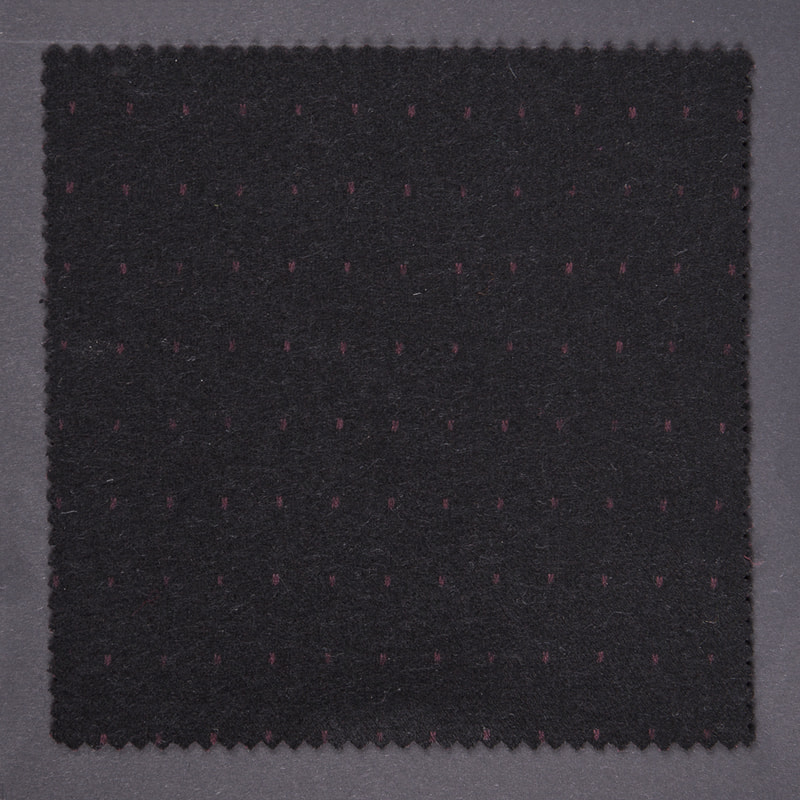
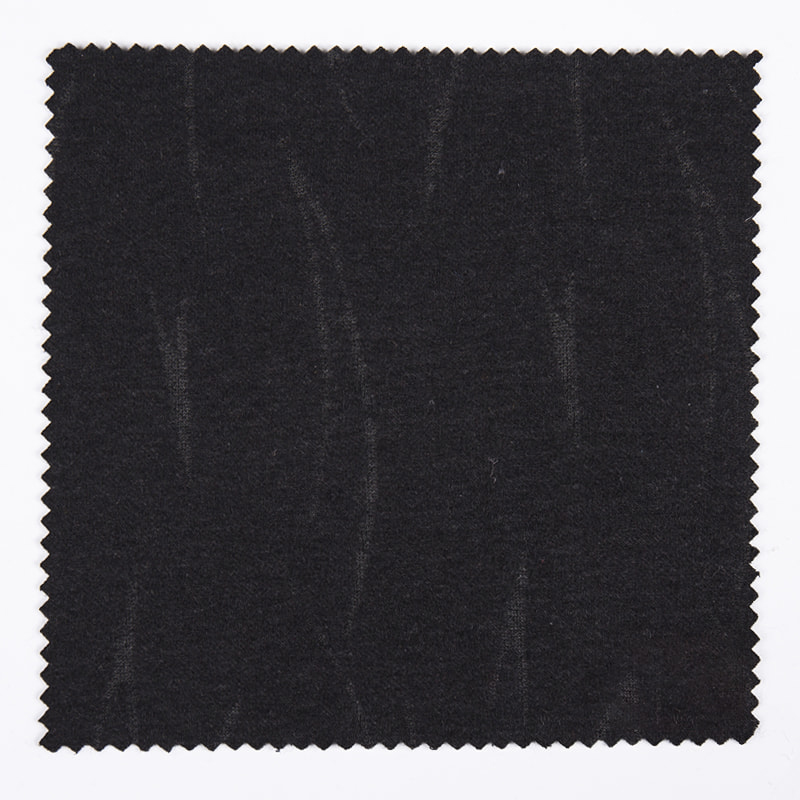
This is where the expertise of a manufacturer like Suzhou Aodejia Textile Technology Co., Ltd. becomes crucial. Our production lines are capable of weaving chunky knit chenille yarn into durable, high-end fabrics suitable for commercial use.
Not all chunky chenille yarns are created equal. The choice of material significantly impacts the final product's look, feel, and performance. Here’s a breakdown of the most common fiber types used.
The primary difference between synthetic and natural fiber chunky chenille lies in their care, feel, and cost. Synthetic options like acrylic and polyester are generally more affordable, durable, and easy to care for, making them excellent for high-traffic items. Natural fibers like cotton and wool offer superior breathability, a more luxurious natural hand-feel, and are often biodegradable, but they require more delicate care and come at a higher price point.
| Fiber Type | Key Characteristics | Best Suited For | Care Considerations |
|---|---|---|---|
| Acrylic | Lightweight, colorfast, hypoallergenic, budget-friendly. | Decorative pillows, baby items, beginner projects. | Machine washable, durable, may pill over time. |
| Polyester | Highly durable, resistant to wrinkles and shrinking, retains color well. | Upholstery fabrics, frequently washed items, commercial settings. | Easy to clean, very resilient. |
| Cotton Chenille | Breathable, naturally soft, absorbent, has a matte finish. | Summer blankets, clothing, kitchen accessories, baby products. | Can be machine washed but may shrink; ironing may be needed. |
| Wool or Wool-Blend | Exceptionally warm, elastic, moisture-wicking, luxurious sheen. | Premium winter wear, high-end blankets, sophisticated home decor. | Often requires hand-washing or dry cleaning; may felt if agitated. |
Whether you are a hobbyist knitter or a professional fabric designer, handling this yarn effectively requires specific techniques to showcase its best qualities.
The journey of chunky knit chenille yarn doesn't end at the skein. Its true potential is realized when it is transformed into fabric on an industrial scale. This is the core strength of Suzhou Aodejia Textile Technology Co., Ltd. Our integrated production model allows us to control quality from the yarn-spinning stage through to the finished fabric roll.
For instance, a client looking for a super soft chunky blanket yarn for a luxury bedding line would benefit from our ability to develop a specific wool-blend chenille yarn and then weave it into a dense, nap-free blanket fabric—all under one roof. Similarly, a demand for chunky chenille yarn for arm knitting requires a yarn that is robust, minimally twisted, and supplied on large cones; our production line can be calibrated to meet these exact needs.
Always check the label for fiber content. For most items, hand washing in cool water with a mild detergent is safest. Lay flat to dry to maintain shape. Avoid wringing or twisting, as this can damage the pile. For synthetic blends, a gentle machine cycle may be acceptable.
Yardage varies greatly based on the blanket size, stitch pattern, and exact yarn thickness. As a very rough estimate, a medium-sized throw may require 1,000 to 1,500 yards. It's always best to calculate based on a gauge swatch. For bulk industrial orders, our technical team at Suzhou Aodejia provides precise calculations.
Standard chunky chenille is not suitable for outdoor use as it is not UV or moisture resistant. However, specialized solution-dyed acrylic or polyester chenille yarns can be engineered for outdoor performance. Inquiries for such durable chunky chenille yarn for home decor in commercial grades are part of our custom ODM services.
Yes, but with important considerations. Choose a baby-safe chunky chenille yarn that is specifically labeled as hypoallergenic, machine washable, and free from harmful chemicals. Acrylic or high-quality cotton chenille are often good choices. Ensure all finished items are securely constructed with no loose fibers.
Chenille yarn is the thread itself, which can be used for knitting, crocheting, or weaving. Chenille fabric is a woven textile where the weft (horizontal thread) is chenille yarn, creating an entire cloth with a uniform, velvety surface. Our factory expertly produces both, allowing clients to source the yarn or the finished fabric as needed.
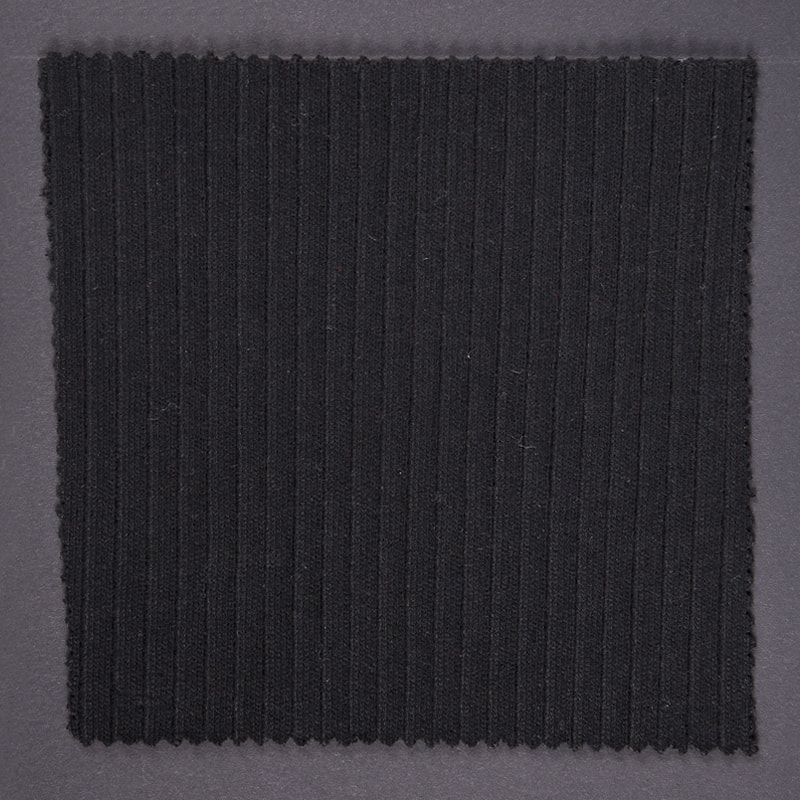
Chunky knit chenille yarn represents a beautiful intersection of craft and industry. Its appeal lies in its ability to create items that are not only visually stunning but also profoundly comforting. For crafters, understanding its properties opens up a world of creative possibilities. For businesses and designers, partnering with a capable manufacturer like Suzhou Aodejia Textile Technology Co., Ltd. unlocks scalable, consistent, and high-quality production. From developing the perfect chunky chenille yarn for beginners to weaving advanced performance fabrics, our integrated approach and two decades of experience ensure that the journey from a single skein to a roll of luxurious fabric is seamless, reliable, and tailored to your vision.
[1] Textile Institute. (2015). *Textile Terms and Definitions*. Manchester: The Textile Institute. (Reference for general yarn and fabric definitions).
[2] Humphries, M. (2009). *Fabric Reference*. Upper Saddle River, NJ: Prentice Hall. (Reference for fiber properties and fabric care guidelines).
[3] Kadolph, S. J. (2007). *Textiles*. Upper Saddle River, NJ: Pearson Prentice Hall. (Reference for yarn construction techniques and industrial manufacturing processes).
Related Products

© 2024 Suzhou Aodejia Textile Technology Co., Ltd. All Rights Reserved.





 English
 Español