2026-11-23
Content
Static is not a cosmetic nuisance. On 100% polyester and acrylic it appears as lap-ups at the card, filament spreading at the texturing spindle, cling and crackle in the finished garment, and dust that settles minutes after a bag is opened. Both fibres are hydrophobic and strongly insulating, so the charge generated during spinning, knitting and dry finishing has almost nowhere to go. The techniques below are the ones that genuinely change results in production: the right spin finish, the right application route, chemistry matched to the fibre, and test methods that predict how a fabric behaves after laundering rather than only in the laboratory.
Static is a surface phenomenon shaped by three variables: how much charge friction generates, how quickly it can leak away, and how humid the surrounding air happens to be.
Working rule: if a fibre cannot hold water, it must be given either a conductive path or a faster way to leak charge across its surface. Every technique in this article does one of those two things.
Most mills only notice static when it becomes a visible defect, by which point the cheapest correction window has already closed.
Static-sensitive knitwear and sportswear are usually judged on exactly these points, and cling plus dust pick-up is one of the first things a buyer checks.
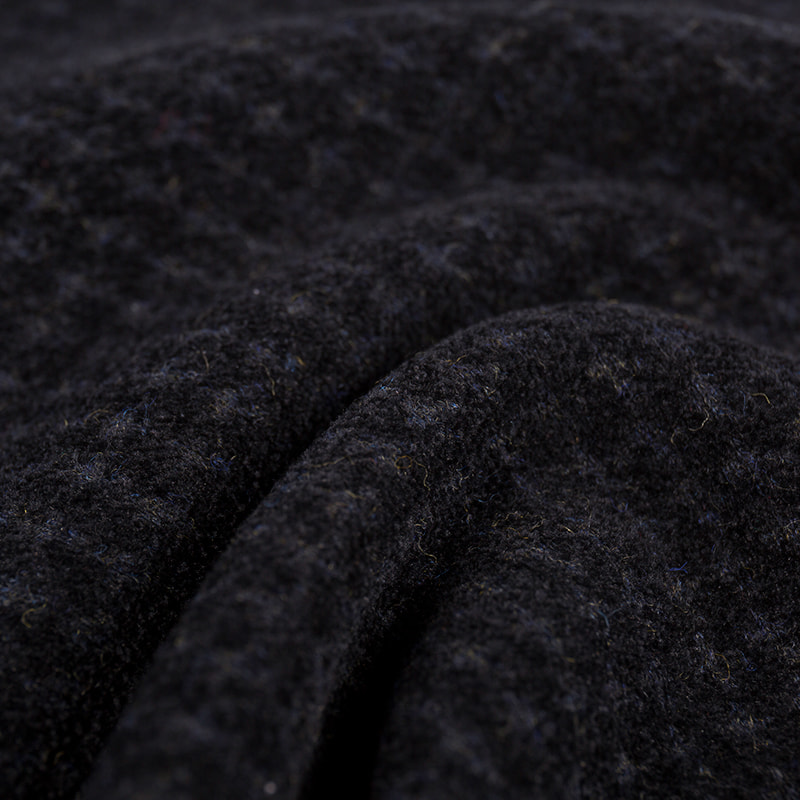
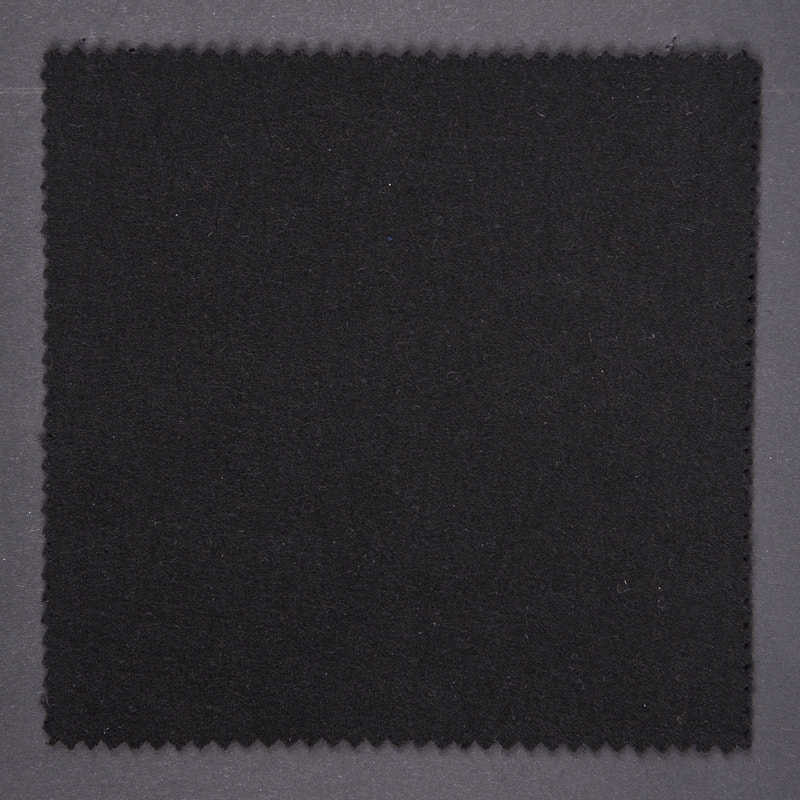
 100% Polyester Plaid Knit Sportswear FabricA 100% polyester plaid knit at 750 g/m, offering structure for autumn jackets; review it where cling and dust pick-up are buyer concerns.View Product →
A spin finish is a blend of lubricant, antistatic component, emulsifier and preservative applied during filament extrusion or staple processing. It is the earliest and least expensive point of control, and it protects the yarn rather than the final garment.
The limitation is durability. Spin finish is designed to be scoured off, so a yarn that runs perfectly at the knitting machine can still deliver a garment that crackles after its first domestic wash. If the requirement is durable static control, the treatment has to be repeated after dyeing, and the yarn-stage finish should be selected for processability rather than for end-use performance. This is also the logic behind why synthetic fibres dominate modern fancy-yarn production, where lubricity and low static at high speed matter more than absorbency.
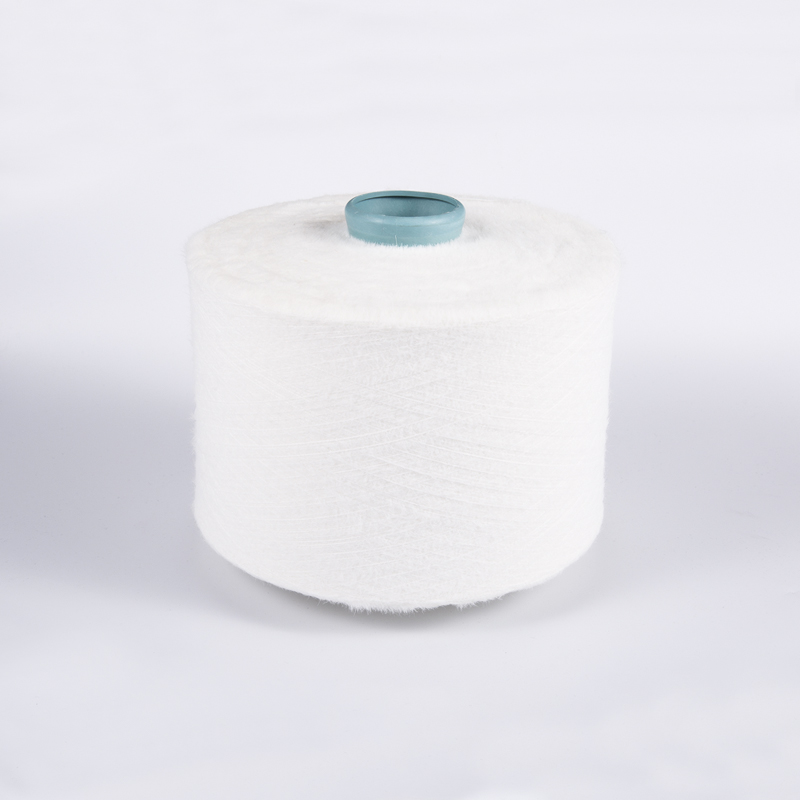
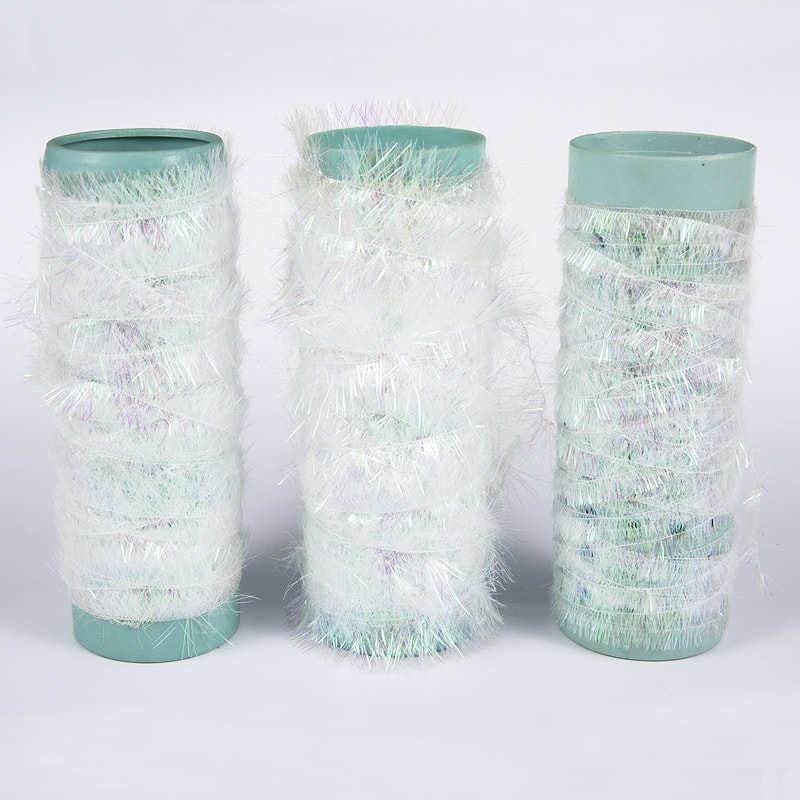
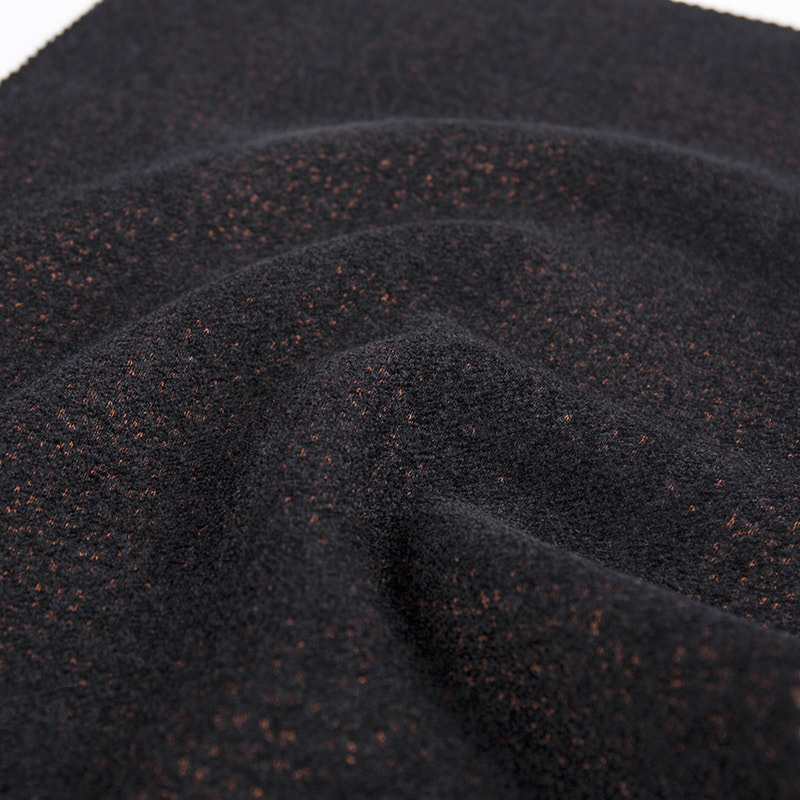
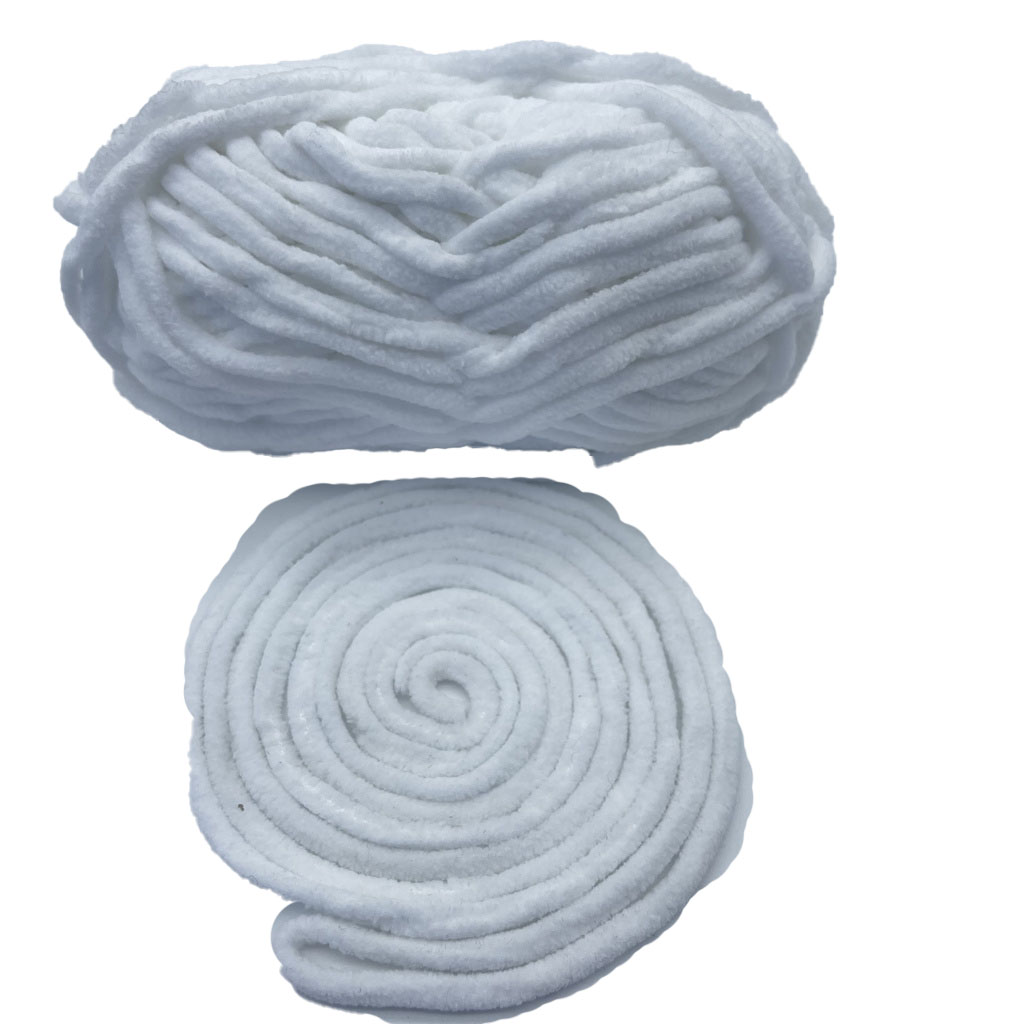 Super Chunky 100% Polyester Chenille Crochet YarnA 100 g ball of 100% polyester super chunky chenille for crochet, with plush stitch definition; its soft hand matters when finish compatibility is assessed.View Product →
Anti-static performance is a function of route as much as of chemistry. A temporary finish that satisfies a garment maker for one season is a poor choice for workwear, while a heavily crosslinked durable finish can stiffen a soft chenille or brushed knit beyond what the buyer will accept.
| Route | Stage | Typical level | Wash durability |
|---|---|---|---|
| Spin finish | Yarn extrusion or staple line | 0.2 to 1.0% owf | Removed by scouring |
| Exhaust | Dyeing or aftertreatment bath | 1 to 3% owf | Moderate |
| Pad-dry-cure | Stenter, wet pickup 70 to 80% | 10 to 40 g/L | Good to 20 cycles |
| Spray or back-coating | Garment or panel | Depends on liquor | Temporary |
| Conductive filament | Blending or cospinning | 1 to 2% carbon-based fibre | Permanent |
Where a permanent effect is mandatory, such as protectivewear or cleanroom apparel, the practical answer is usually a small percentage of conductive filament spun into the yarn or woven in at intervals, with a hydrophilic antistatic finish used only as a secondary measure.
Polyester and acrylic respond to different chemistries because their surfaces carry different charges and different chemical handles. Acrylic, with its nitrile groups, holds a little more moisture and is more tolerant of cationic systems; polyester needs either a hygroscopic film former or a hydrophilic block copolymer to build a reliable leakage path.
| Fibre | Preferred chemistry | Notes for the dyehouse |
|---|---|---|
| 100% polyester | Anionic phosphate ester, sulfonate, ethoxylated fatty amine; durable option is a hydrophilic polyester-polyether copolymer | Apply at pH 5 to 7; cure 150 to 170 degrees C for 30 to 90 seconds; avoid over-cure to limit yellowing |
| 100% acrylic | Cationic quaternary ammonium, imidazolinium or amphoteric surfactant | Compatible with cationic softeners; keep dosage controlled to avoid a slippery, tacky hand |
| Blends and fancy yarns | Nonionic ethoxylates plus a small durable component | Nonionics tolerate anionic and cationic auxiliaries in the same bath and reduce precipitation risk |
Acrylic knitted goods destined for winter garments are a good illustration: the yarn is often bought largely on hand and colour, so the antistatic package must deliver performance without altering either.
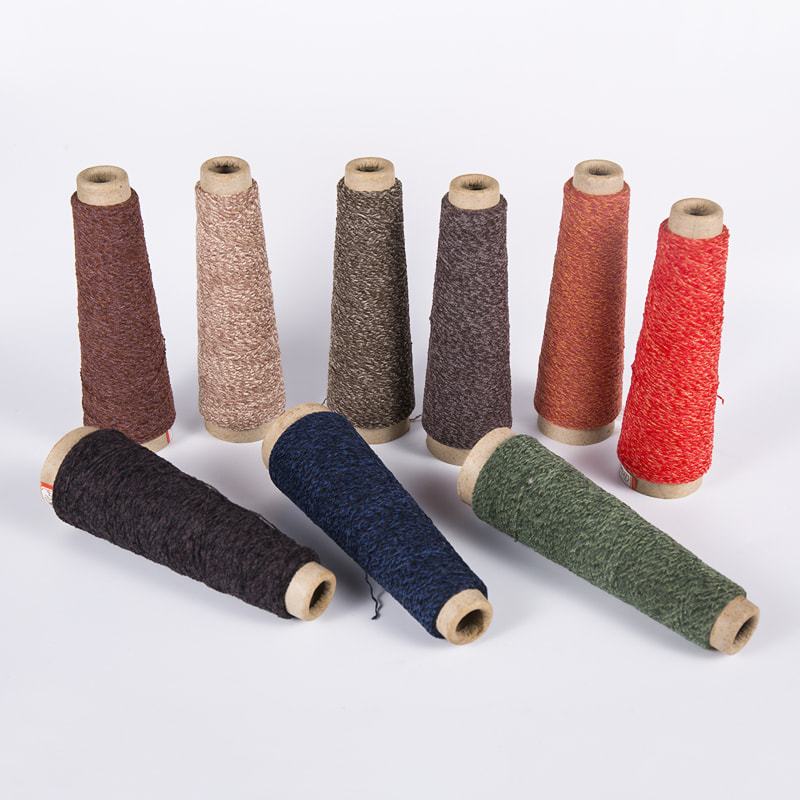
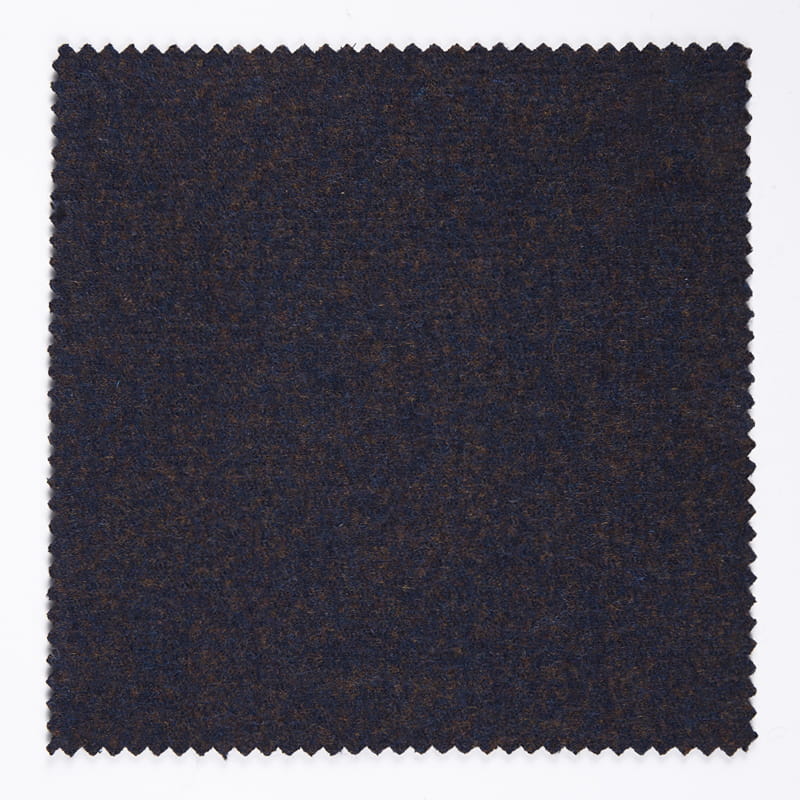
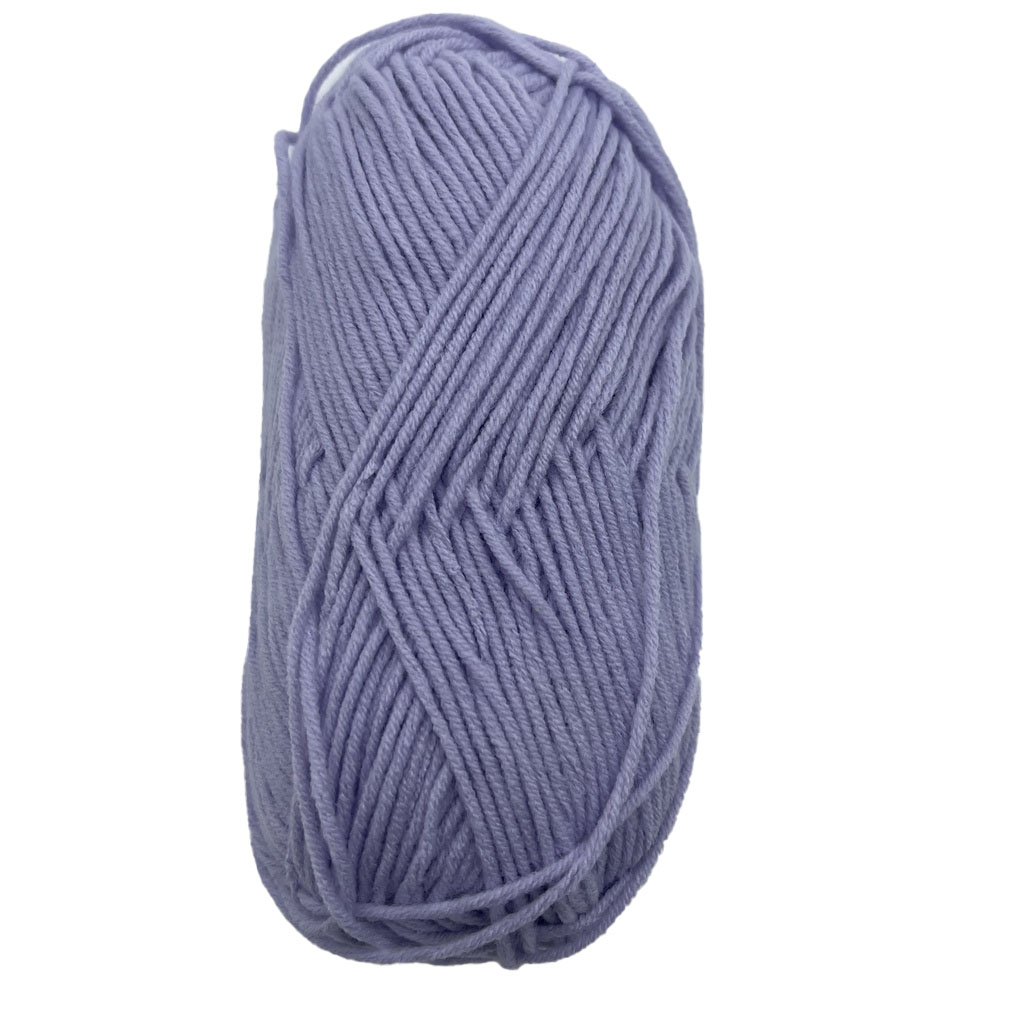 Acrylic and Cotton-Blend Winter Hand-Knitting Yarn100% acrylic or cotton-blend yarns for winter hand knitting in multiple colors; the acrylic option offers warmth and structure where hand and colour guide selection.View Product →
Antistatic finishing fails more often for compatibility reasons than for insufficient dosage. Points worth writing into the process sheet:
Single-point tests on greige fabric tell very little. A workable protocol looks like this:
It can. Hygroscopic film formers and quaternary ammonium compounds add a slightly slippery or stiff feel at higher add-on. Selecting a nonionic or silicone-free system, and keeping dosage at the low end of the working range, usually preserves the original handle.
Well-applied pad-dry-cure systems typically hold their performance for about 15 to 20 domestic washes. For workwear, protectivewear or cleanroom use, permanent conductive yarns are more reliable than any chemical finish.
Not usually. Polyester prefers anionic chemistry and acrylic prefers cationic. On blends, a nonionic ethoxylated antistat is the pragmatic compromise, applied at pH 5 to 7 with careful control of water hardness.
For everyday apparel, below 1012 ohm per square is a sensible target, measured after conditioning and after laundering. Anything below 109 belongs to conductive or dissipative specifications and should be verified with a dedicated standard.
Static control is rarely a single-product problem. It is a chain: fibre finish at extrusion, yarn friction at knitting, bath chemistry at dyeing, cure profile at the stenter, and a test protocol that mirrors the customer's climate rather than the laboratory's. Mills that spin their own yarn and weave their own fabric have an advantage here, because the finish applied at yarn stage and the finish applied at fabric stage can be planned together instead of patched together at the last inspection. Start with one representative polyester knit and one acrylic yarn, run the full condition, measure, wash, measure again, and only then scale the recipe across the seasonal range.
Related Products

© 2024 Suzhou Qizhen Textile Trade Co., Ltd. All Rights Reserved.



 English
 Español