2026-11-16
Content
Lead time rarely collapses because someone works faster. It collapses because fewer parties are waiting on each other. In apparel sourcing, the longest waits usually sit between the spinning mill and the fabric mill rather than inside either one of them. A vertically integrated yarn-to-fabric producer closes that gap by controlling fibre blending, spinning, and knitting or weaving on the same site, with one planning team holding the whole chain together.
This article breaks down where calendar time and money actually go in a split supply chain, what changes when spinning and fabric manufacturing share a roof, and how a buyer can tell genuine integration from a marketing claim.
Integration is a loose word in textile marketing. For sourcing purposes it is worth defining precisely: one manufacturer owns the spinning lines that turn fibre into yarn and the knitting or weaving lines that turn that yarn into greige fabric, and both operations are scheduled by the same planning team. Dyeing, finishing and inspection may be in-house or subcontracted, yet the yarn-to-greige link stays internal.
That link matters because it is where most specification decisions are locked in, including yarn count, twist level, hairiness, blend ratio and shade. When those decisions are negotiated between two separate companies, every adjustment becomes a commercial conversation with a quote attached. When they are negotiated inside one company, they become a production instruction.
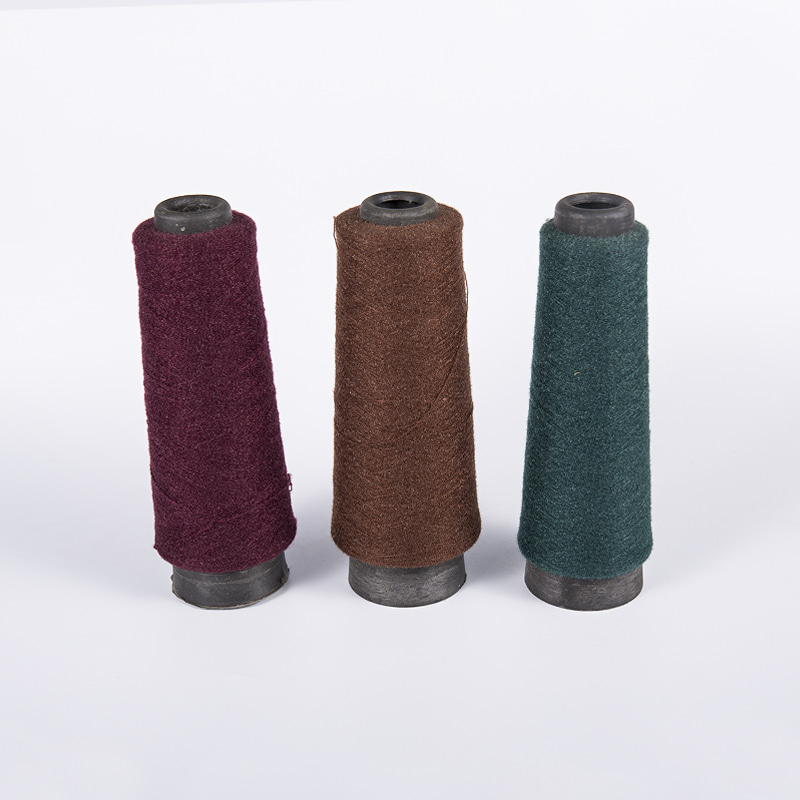
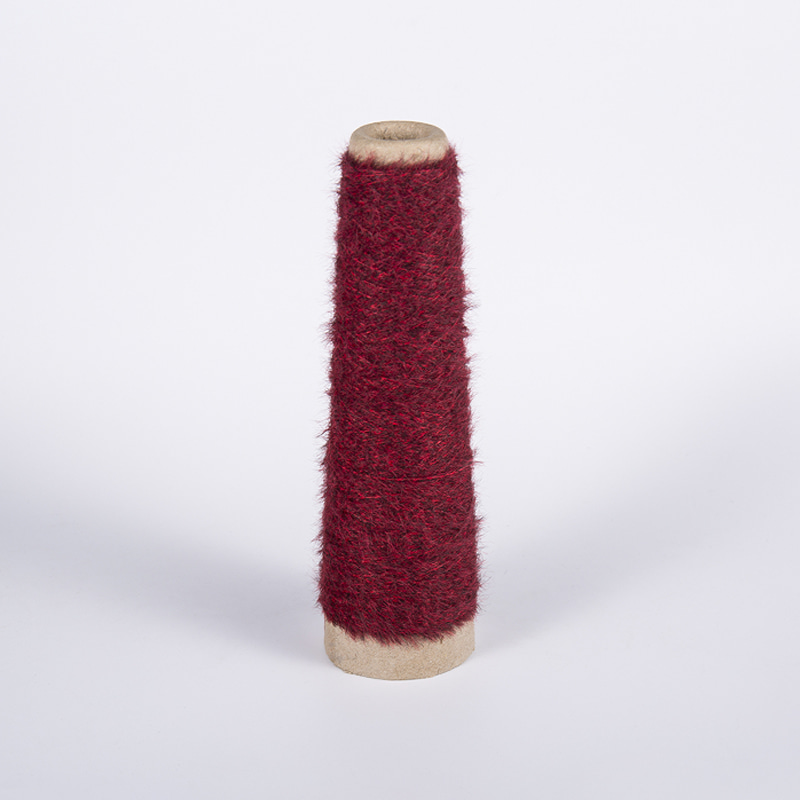
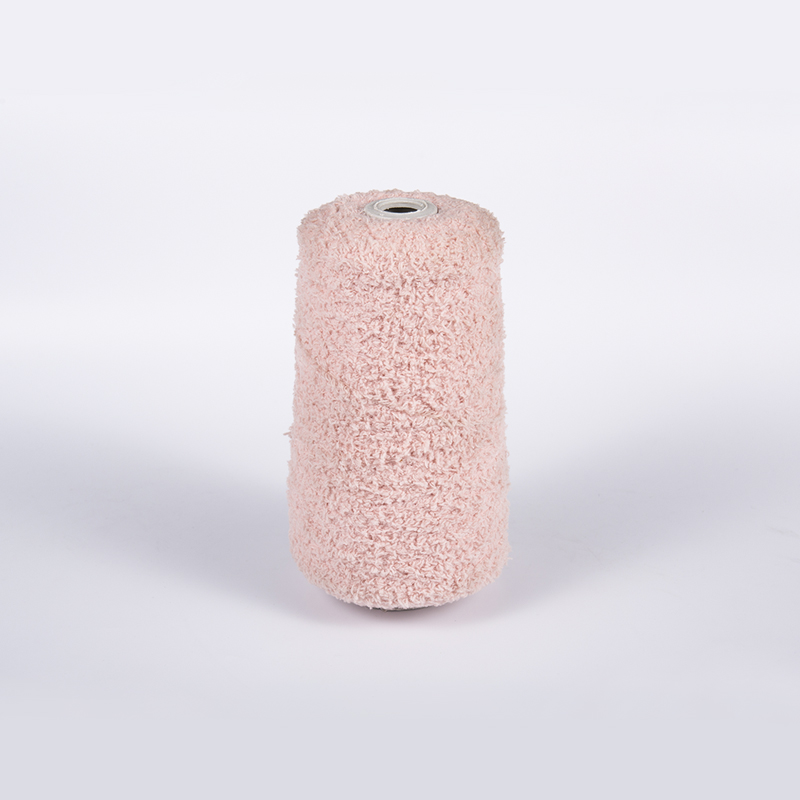
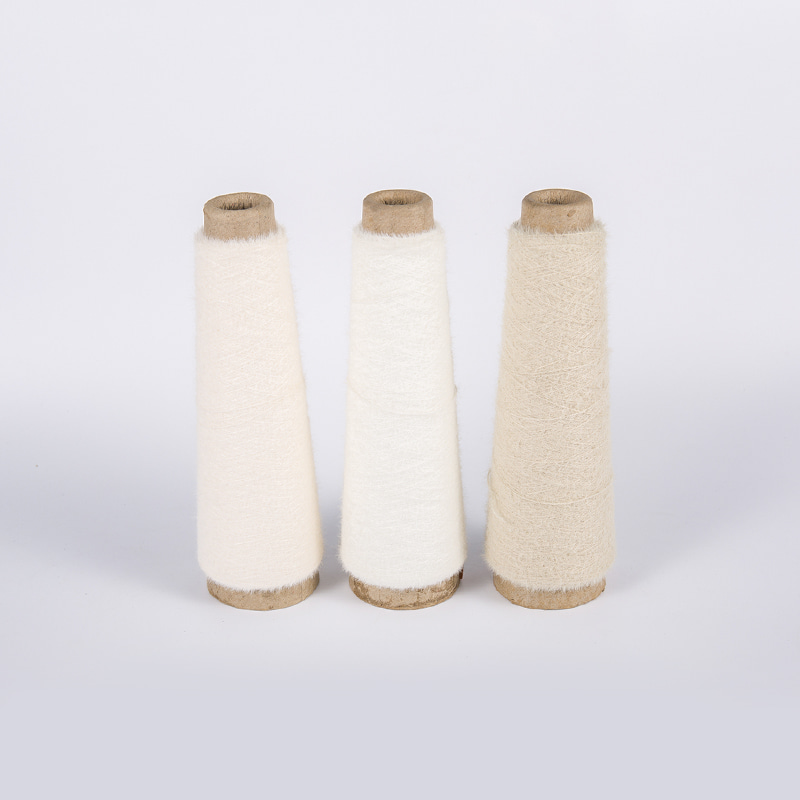
Fancy yarns illustrate the point best. Chenille, feather, loop and sparkle yarns behave differently under a knitting needle or a loom, and settings that flatter one yarn can ruin another. A producer that spins its own fancy yarns and also builds them into fabric can adjust the yarn instead of rejecting the cloth. The raw yarn ranges on this site are developed alongside the fabrics they feed, which is the practical definition of yarn-to-fabric production.
 12NM Colorful Polyester Viscose Chenille YarnA 12NM polyester-viscose chenille yarn combining durability with softness and rich color, suited to home furnishings and soft knitwear.View Product →
Buyers usually measure lead time from purchase order to delivery. The delays, however, are created much earlier, in the queues between organisations. A typical split chain adds friction at five predictable points.
| Stage | Split supply chain | Integrated yarn-to-fabric mill |
|---|---|---|
| Yarn sourcing | Buyer hunts a spinner whose count, twist and shade match; new minimums and a new queue | Yarn spun against an internal spec sheet shared with the fabric team |
| Shade approval | Yarn dyehouse and fabric mill exchange lab dips by courier | One lab, one approval round, yarn and greige matched together |
| Sampling | Yarn shipped to a knitter, cloth shipped back, two to four weeks per round | Trial yarn knitted or woven on the same site, often within days |
| Scheduling | Two calendars, two priority lists, no shared visibility | One calendar, with yarn slots reserved for the fabric order |
| Fault handling | Responsibility disputed between mills while the order waits | Fault traced to a lot, a machine and a shift in a single record |
None of these steps looks dramatic on its own. Added together, they typically explain most of the gap between a mill quote of thirty days and a brand experience of sixty.
In an integrated mill the yarn technical sheet and the fabric technical sheet are the same document viewed from two angles. Twist per metre, blend percentage and hairiness are agreed at the spinning frame with the knitting or weaving technician in the room. Nothing has to be re-translated later, and nothing is lost in a handover email.
Split-chain sampling is sequential by nature: spin, ship, knit, review, spin again. On one site the spinning team can produce a small lot in the morning and see it on the machine the same week. Two or three sampling rounds can be absorbed into the time a separated chain needs for one, which matters most in the development window before a season.
When yarn and fabric come from different companies, a fabric order is only as fast as the spinner's backlog allows, and the buyer has no visibility into that backlog. An integrated plant reserves spinning capacity against confirmed fabric bookings, so a late colour change does not push the order to the back of an external queue.
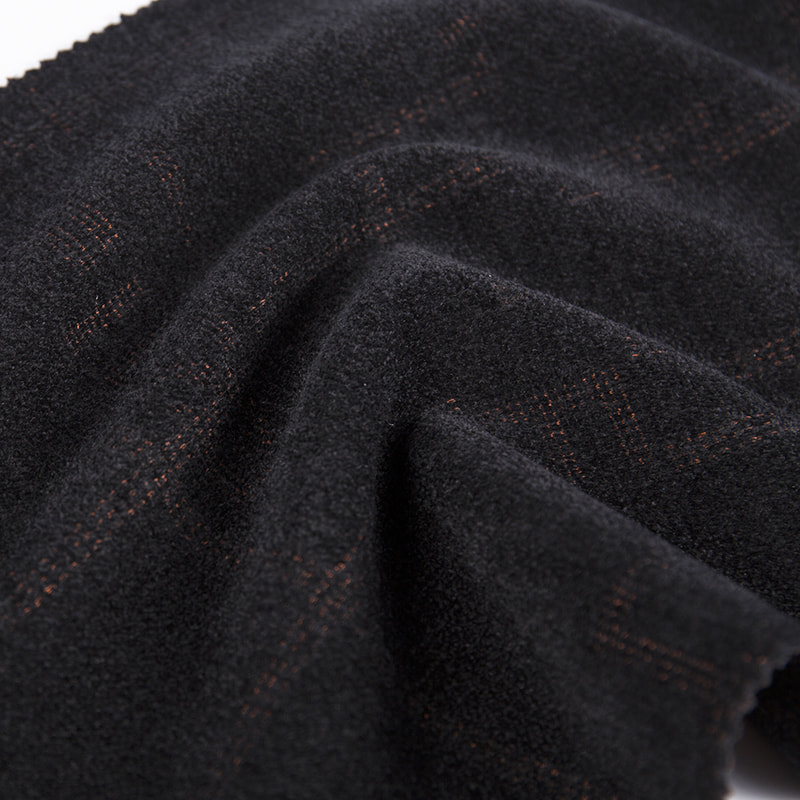
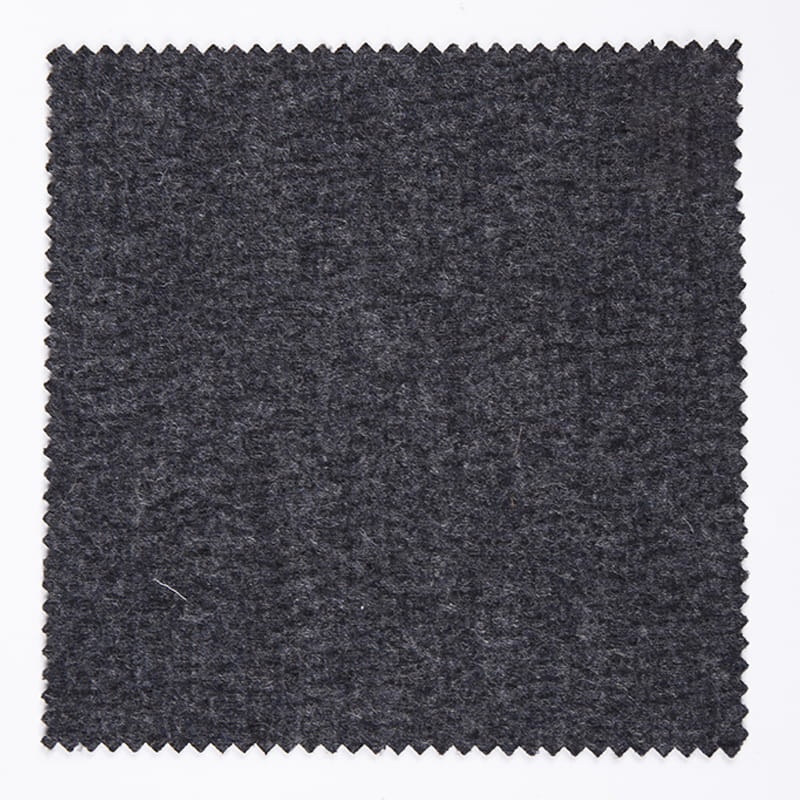
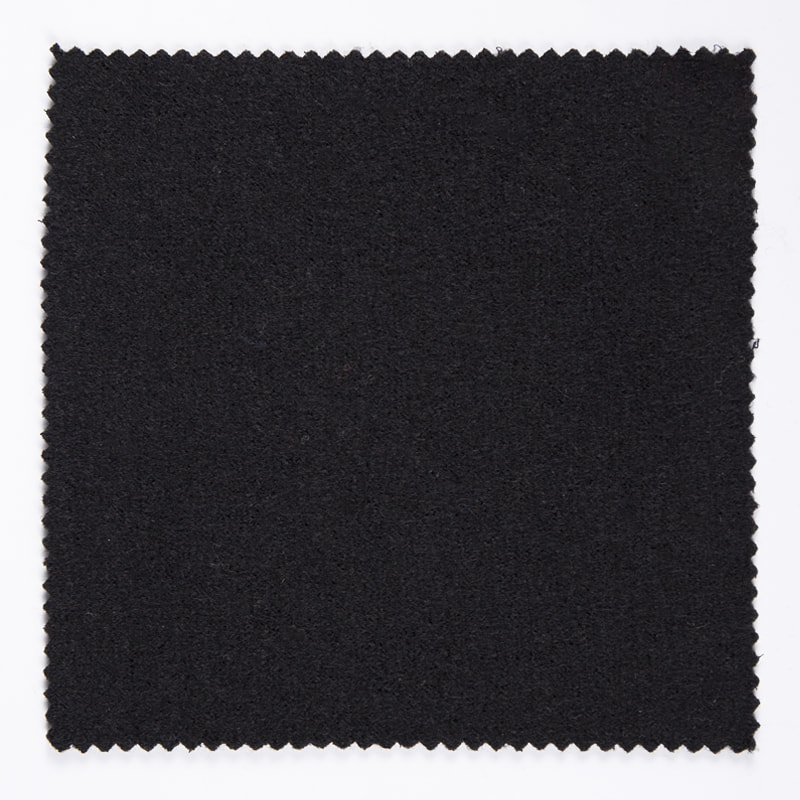 Wool Polyester Cotton Knit Winter Jacket Fabric A1815Heavyweight 800 g/m knitted outerwear fabric blending wool warmth, polyester resilience and cotton breathability for winter jackets and coats.View Product →
Raw material is the largest single component of yarn cost, and yarn is a large share of fabric cost, so small efficiency gains upstream carry disproportionate weight downstream. Integration attacks cost in several places at once.
Integration does not make any single step dramatically cheaper. It removes the buffers that exist only because two organisations cannot see each other's production.
The financial case is easier to defend when you look at defect cost rather than unit price. A slub, a shade bar or an uneven chenille pile spotted at the weaving or knitting stage costs a few metres of yarn. The same fault discovered after finishing, pressing and packing costs the entire value already added, plus the delay of remaking it.
In an integrated operation the person who sees the fault and the person who can fix it sit within walking distance. A spinner can adjust twist or fibre blend the same shift; a dyer can re-check a lot before it reaches the needle. Over a season this shortens the improvement loop from months to weeks, which is where quality consistency is really built rather than inspected in.
Simple plain fabrics forgive a lot. Patterned and textured constructions do not. Tweeds, jacquard chenille, embossed knits and wool blends depend on the interaction between a specific yarn and a specific machine setting, so a small deviation in yarn build shows up immediately as a broken motif, a shadow line or a collapsed relief.
This is exactly the territory where a separated chain loses the most time, because every correction requires a new yarn shipment. It is also where an integrated producer can iterate a pattern in days. A mill that spins chenille, feather, loop and metallic yarns in-house can test a herringbone, a houndstooth or a windowpane check against several yarn builds before committing to bulk.
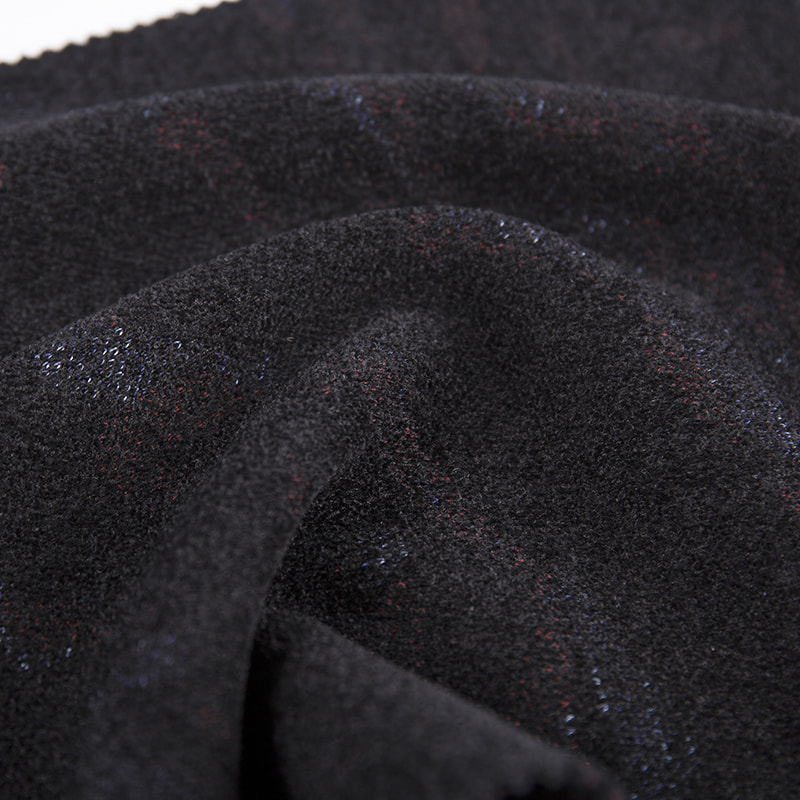
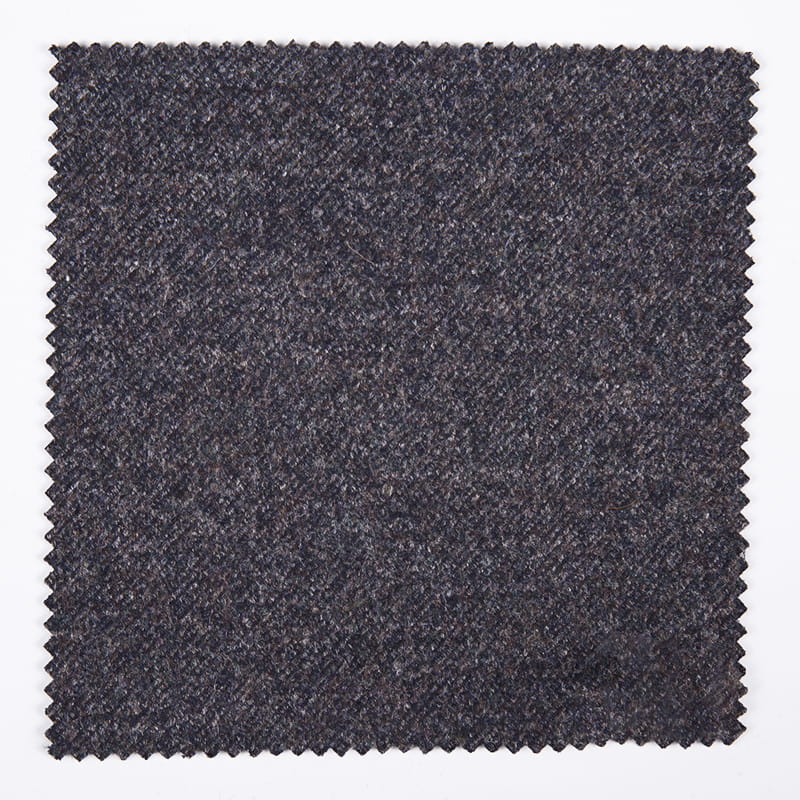
 SH2408 Glen Plaid Heavyweight Wool Woven FabricClassic Glen Plaid wool fabric with warm, crisp structure and breathability, suited to formal or casual autumn-winter garments and commuting.View Product →
Almost every mill now describes itself as vertically integrated. A short verification list separates the real thing from a well-worded catalogue.
Recent commentary from the company on how vertical integration supports steady output under tariff pressure is a reasonable illustration of the argument, but the operational details still have to be confirmed against documents and a site visit.
No. It shortens the handovers between spinning and fabric production, which is usually the largest single block of waiting time. If a mill is fully booked on the weaving side, internal integration cannot create capacity that does not exist. Ask for line-level capacity data, not just a promise.
Not necessarily. The unit price may look similar to a trading company's quote, but the total cost usually falls once sampling rounds, freight between mills, reject rates and expediting fees are counted. Compare landed cost and rework history rather than the headline number.
Often yes, because the sampling and colour approval stages are shorter and cheaper to repeat. Small runs are still constrained by minimum batch sizes at the spinning stage, so ask what the smallest practical yarn lot is for your construction.
Start with the yarn technical sheet, the fabric technical sheet, a recent inspection report and the traceability record for one lot. If those four documents reference the same machines and the same quality checkpoints, the integration claim is worth taking further.
Yarn-to-fabric integration is not a slogan about size. It is a structural answer to the two costs that hurt most in textile sourcing: waiting between organisations and discovering faults too late to fix them cheaply. Buyers who evaluate a supplier on handovers rather than on headline price usually find that the shortest chain, from fibre to finished cloth, is also the least expensive one to manage.
Related Products

© 2024 Suzhou Qizhen Textile Trade Co., Ltd. All Rights Reserved.



 English
 Español