


 English
 Español
Understanding pile construction, raw material differences, and application performance in home textiles and apparelIn the world of specialized yarns, chenille occupies a unique position. Unlike standard spun yarns that rely on fiber twist for cohesion, chenille yarn is defined by its distinctive pile construction: short lengths of fiber are sandwiched between two core threads, creating a soft, caterpillar-like surface. For manufacturers of upholstery, blankets, fashion fabrics, and home textiles, understanding the technical differences between chenille yarn and conventional yarns is essential to selecting the right material for each application. This guide provides a detailed comparison of chenille yarn against standard yarns, covering material composition, pile integrity, performance metrics, and typical end uses.
1. What Makes Chenille Yarn Different from Standard Spun Yarns
The fundamental difference lies in the yarn architecture. A standard spun yarn, whether ring-spun or open-end, consists of fibers twisted together along the yarn's axis. This creates a smooth, round profile with limited surface area. In contrast, a chenille yarn is built around two core threads that run straight through the center. Short pile fibers are trapped between these two cores and project outward perpendicularly, creating a brush-like or velvety surface. This construction gives chenille its characteristic soft hand feel and visual bulk. However, it also makes chenille more susceptible to pile loss if the core twist is insufficient or if the pile fibers are too short. For manufacturers, the choice between chenille and standard yarns is a trade-off between surface aesthetics and structural robustness. Chenille yarn excels in applications where softness and visual texture are paramount, while standard yarns are preferred where abrasion resistance and clean definition are required.
2. Raw Material Composition: Polyester, Cotton, and Blends
Chenille yarn can be produced from a wide range of fibers, with polyester, cotton, and acrylic being the most common. Each fiber type confers distinct properties that influence the yarn's performance in different environments. Polyester chenille yarn is the most versatile option. It offers high tensile strength, excellent color fastness, and resistance to stretching and shrinking. Polyester chenille is also hydrophobic, meaning it does not absorb moisture easily, which makes it suitable for upholstery and outdoor textiles where humidity resistance is beneficial. The durability of polyester chunky chenille yarn has made it a popular choice for heavy-use items such as sofas, cushions, and car interiors.
Cotton chenille yarn provides a softer, more breathable feel that is ideal for apparel and bedding. However, cotton has lower abrasion resistance than polyester and is more prone to pilling. To balance softness with durability, many manufacturers use a cotton-polyester blend. A typical blend of 70% cotton and 30% polyester retains the natural hand feel of cotton while gaining improved strength and reduced shrinkage. Acrylic chenille is a lower-cost alternative often used in blankets and children's items. It has a wool-like appearance but lower tensile strength. For high-end applications, speciality fibers such as viscose or wool may be used to achieve a particular aesthetic or tactile quality. The table below summarizes key characteristics of common chenille fiber types.
| Fiber Type | Softness | Durability (Abrasion) | Moisture Absorption | Typical Applications |
|---|---|---|---|---|
| Polyester Chenille | Moderate to High | High | Low | Upholstery, cushions, outdoor textiles |
| Cotton Chenille | High | Moderate | High | Apparel, bedding, lightweight blankets |
| Cotton-Polyester Blend | High | High | Moderate | General textiles, upholstery, throws |
| Acrylic Chenille | High (wool-like) | Low to Moderate | Low | Budget blankets, children's products |
| Viscose Chenille | Very High | Low | High | Luxury apparel, decorative accessories |
3. Pile Construction and Its Effect on Softness and Durability
The pile is the defining feature of any chenille yarn. Pile length, measured in millimeters, determines the final fabric's surface character. Short pile lengths (1 to 3 mm) produce a dense, low-profile surface that is more resistant to crushing and pilling. This type of chenille is preferred for upholstery and floor coverings where durability is critical. Medium pile lengths (4 to 6 mm) offer a balance between softness and resilience, making them suitable for blankets and cushions. Long pile lengths (7 mm and above) create a deep, fluffy texture that feels luxurious but is more prone to matting and pile loss over time. These are typically reserved for decorative items or soft toys.
Pile density refers to the number of pile fibers per unit length of yarn. Higher density produces a fuller, richer surface but increases yarn weight and cost. Lower density results in a more open structure that may appear thin or uneven. For industrial applications, maintaining consistent pile density across production batches is essential to avoid fabric defects. Manufacturers with specialized spinning lines, such as those used for chunky chenille yarn, can precisely control both pile length and density through machine settings. The twist level applied to the two core threads also influences pile retention. A higher core twist grips the pile fibers more firmly, reducing shedding but also making the yarn stiffer. Finding the optimal twist level for each application is a key skill in chenille production.
4. Chunky Chenille Yarn for Hand Knitting vs. Industrial Weaving
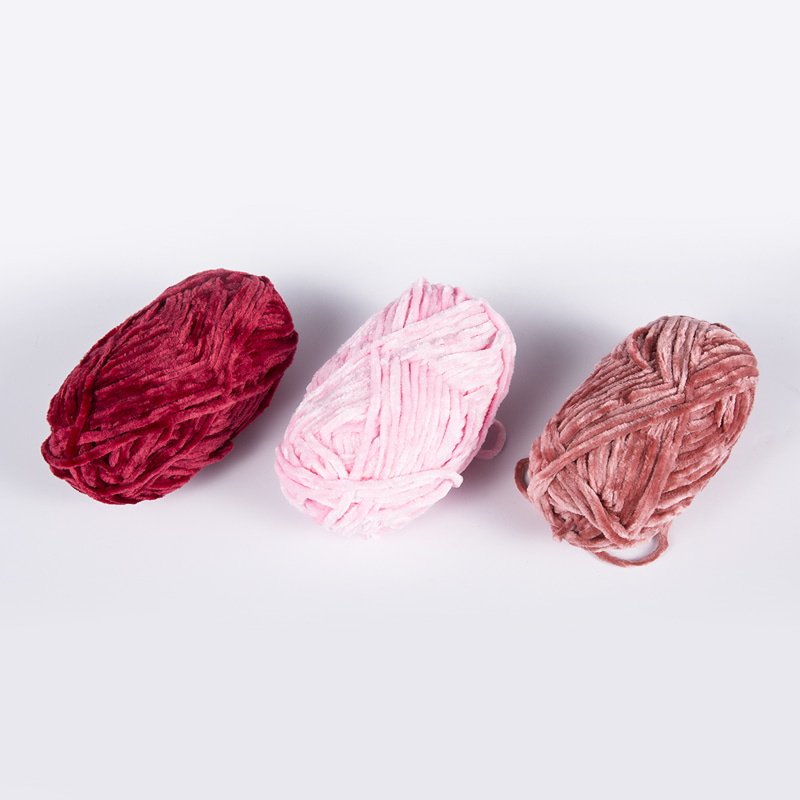
Chenille yarn is available in a wide range of thicknesses, from fine counts used in lightweight apparel to heavy, chunky versions designed for hand knitting or rapid fabric formation. The distinction between chunky chenille yarn for hand knitting and that for industrial weaving is important for manufacturers. Hand-knitting chunky chenille is typically sold in small skeins with a soft, loosely twisted structure that is easy for crafters to work with. It prioritizes hand feel and visual appeal over mechanical strength.
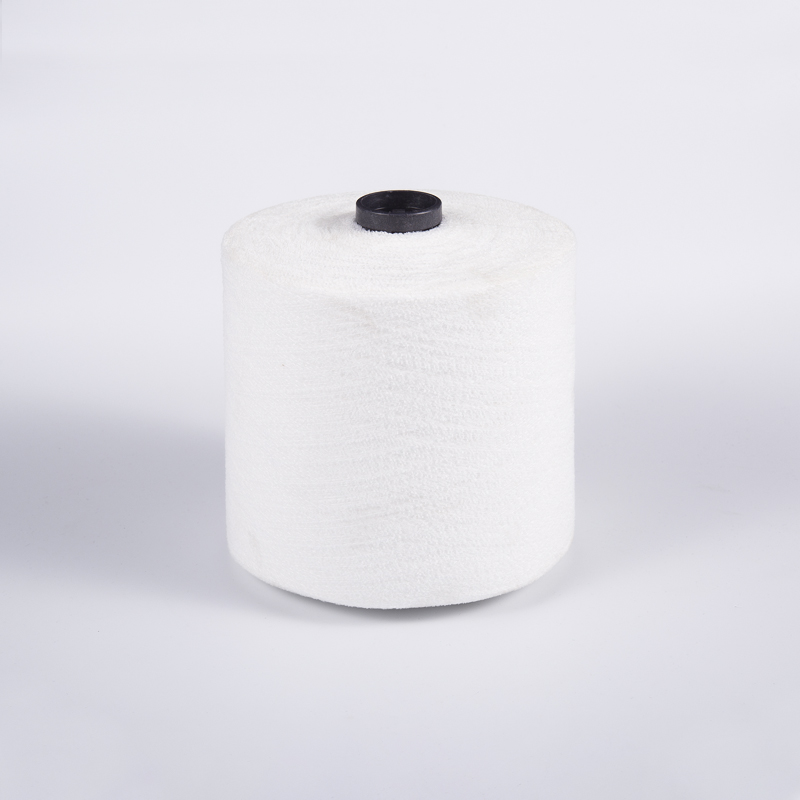
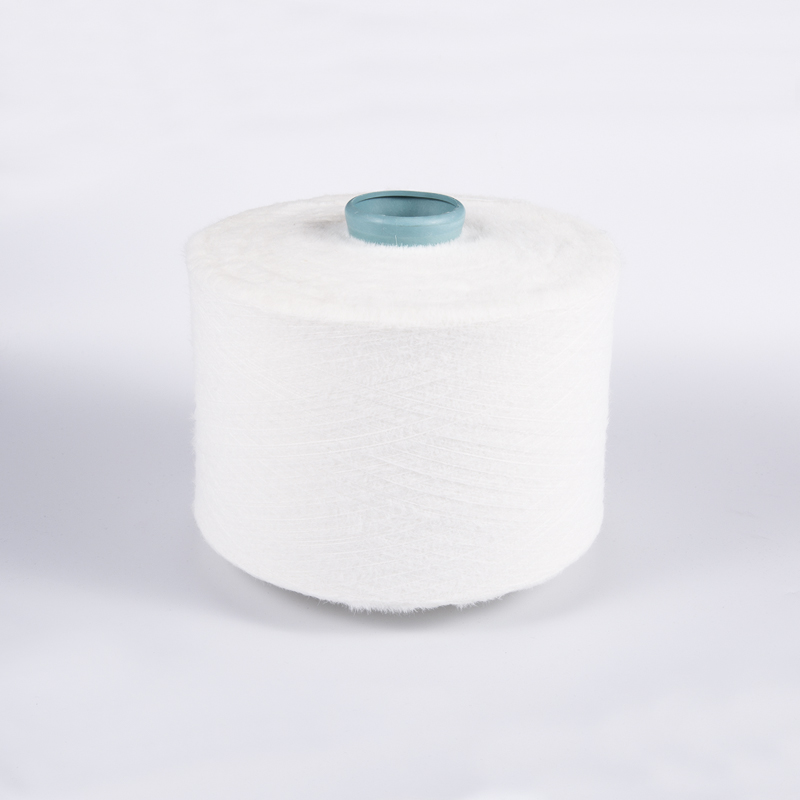
Industrial chunky chenille yarn, by contrast, is wound on large cones and designed to withstand the high tension of power looms or circular knitting machines. It has a tighter core twist and more uniform pile distribution to prevent breakages and uneven fabric formation. When sourcing chunky chenille for factory use, buyers should specify machine type (e.g., rapier loom, air-jet loom, or weft knitting machine) so the supplier can adjust twist and lubrication levels accordingly. A common mistake is using hand-knitting-grade chunky chenille on industrial equipment, which leads to frequent yarn breaks and rejected fabric.
5. Key Performance Indicators: Twist, Pile Density, and Abrasion Resistance
For quality control and product specification, four key performance indicators are widely used to evaluate chenille yarn. Twist per meter (TPM) measures how many times the core threads are twisted together. A typical range for industrial chenille is 250 to 400 TPM. Lower twist produces a softer, flatter yarn but increases the risk of pile shedding. Higher twist creates a rounder, firmer yarn with better pile retention but reduced softness. Pile density is usually expressed as the number of pile fibers per centimeter of yarn length. For standard upholstery-grade chenille, a density of 18 to 25 fibers per cm is common. Luxury, high-pile chenille may have 30 or more fibers per cm, significantly increasing material cost.
Abrasion resistance is the most critical performance metric for chenille used in seating or floor coverings. The Martindale test is the industry standard. Chenille fabrics intended for heavy domestic upholstery should achieve at least 20,000 cycles; contract or commercial upholstery requires 40,000 cycles or more. Finally, pile retention, often measured by a brushing or tapping test, quantifies how much fiber is lost under mechanical action. High-quality chenille yarn should lose no more than 2% to 5% of its pile weight after standardized abrasion. Buyers should request test reports from accredited laboratories such as SGS or Intertek to verify these indicators.
6. Application Guide: Chenille Yarn for Upholstery, Blankets, and Fashion Fabrics
Selecting the correct chenille specification for each end product is essential to achieve the desired balance of aesthetics, comfort, and lifespan. For upholstery fabrics, a polyester or polyester-dominant blend chenille with short pile length (1-3 mm) and high core twist is recommended. This combination resists crushing and abrasion, maintaining its appearance even under daily use. For blankets and throws, a cotton-polyester blend with medium pile length (4-5 mm) and moderate twist offers a soft, cozy feel without excessive shedding. For fashion apparel, lightweight chenille made from cotton or viscose with fine pile (1-2 mm) and lower twist creates a fluid drape suitable for sweaters, cardigans, and scarves. However, apparel chenille requires careful washing instructions to prevent pile distortion. The table below provides a quick reference guide for matching chenille specifications to common applications.
| End Product | Recommended Fiber | Pile Length (mm) | Core Twist (TPM) | Key Requirement |
|---|---|---|---|---|
| Heavy Upholstery (Sofas) | Polyester or Polyester blend | 1-3 mm | 350-400 | High abrasion resistance, low shedding |
| Light Upholstery (Chairs) | Cotton-Polyester blend | 3-4 mm | 300-350 | Balance of comfort and durability |
| Blankets & Throws | Cotton-Polyester or Acrylic | 4-6 mm | 280-320 | Softness, warmth, visual bulk |
| Apparel (Sweaters) | Cotton, Viscose | 1-2 mm | 250-300 | Drapery, soft hand, low weight |
| Cushions & Pillows | Polyester or Blend | 3-5 mm | 300-350 | Resilience, color fastness |
| Soft Toys & Decor | Acrylic, Viscose | 6 mm and above | 250-280 | Visual fluffiness, low cost |
Manufacturers sourcing chenille yarn for export should also consider regulatory requirements. OEKO-TEX Standard 100 certification is essential for yarns that will be used in garments or home textiles sold in Europe. For products containing recycled content, GRS (Global Recycled Standard) certification may be required. Producers with in-house testing capabilities can provide batch-specific documentation on twist, pile density, and color fastness, giving buyers confidence in the yarn's consistency. Understanding the technical parameters outlined in this guide will enable sourcing professionals to select chenille yarn that meets both performance targets and budget constraints. For detailed specifications and custom orders, reputable suppliers offer sample cards and laboratory reports to support informed purchasing decisions.
Frequently Asked Questions About Chenille Yarn
Q1: What is the main structural difference between chenille yarn and standard twisted yarn?
A: Chenille yarn has a pile-on-core structure: short pile fibers are trapped between two straight core threads, creating a brush-like surface. Standard spun yarns are made of fibers twisted together along a single axis, producing a smooth, round profile with less surface texture.
Q2: Which fiber type offers the best durability for upholstery-grade chenille yarn?
A: Polyester chenille yarn provides the highest abrasion resistance and strength, making it the best choice for heavy-use upholstery such as sofas and office chairs. Cotton-polyester blends offer a good balance of comfort and durability for light upholstery.
Q3: How does pile length affect the performance of a chenille fabric?
A: Short pile lengths (1-3 mm) produce dense, durable surfaces resistant to crushing, ideal for upholstery. Medium piles (4-6 mm) balance softness and resilience for blankets. Long piles (7+ mm) create deep, fluffy textures but are less durable and more prone to matting.
Q4: Can chunky chenille yarn designed for hand knitting be used on industrial looms?
A: Not recommended. Hand-knitting chunky chenille has a softer, lower-twist structure that cannot withstand the high tension of industrial looms, leading to frequent yarn breaks and fabric defects. Industrial chunky chenille has a tighter core twist for machine use.
Q5: What certification should I look for when sourcing chenille yarn for export to European markets?
A: OEKO-TEX Standard 100 is the minimum requirement for yarns used in garments or home textiles sold in Europe. If the product contains recycled fibers, GRS (Global Recycled Standard) certification is also required by many European buyers.
References and Further Reading
- Miao, M., & Xin, J. H. (2017). Engineering of High-Performance Textiles. Woodhead Publishing. Chapter on fancy yarns and chenille structures.
- OEKO-TEX Association. (2024). OEKO-TEX Standard 100: General and Special Conditions. Zurich: OEKO-TEX Secretariat.
- Gong, R. H. (2011). Specialist Yarn and Fabric Structures: Developments and Applications. Woodhead Publishing. Section on chenille yarn production.
- ASTM International. (2022). ASTM D4966-22: Standard Test Method for Abrasion Resistance of Textile Fabrics (Martindale Abrasion Tester Method). West Conshohocken, PA.
- SGS Group. (2023). Textile Testing: Physical and Chemical Test Methods for Fancy Yarns. Geneva: SGS Publications.