1. Defining Thin Chenille and Velvet Yarn: Structural Similarities and Differences
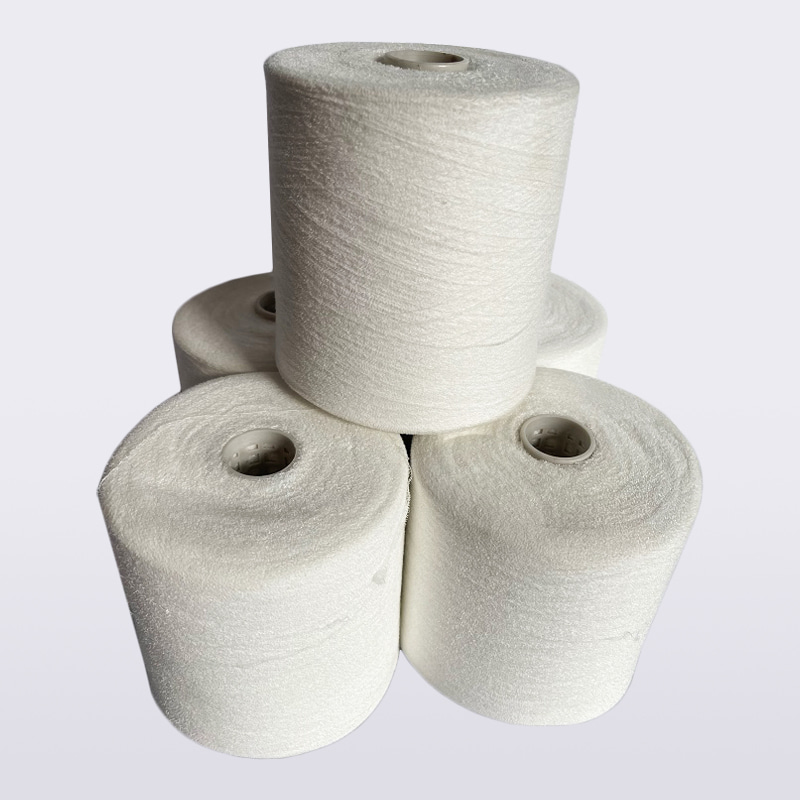
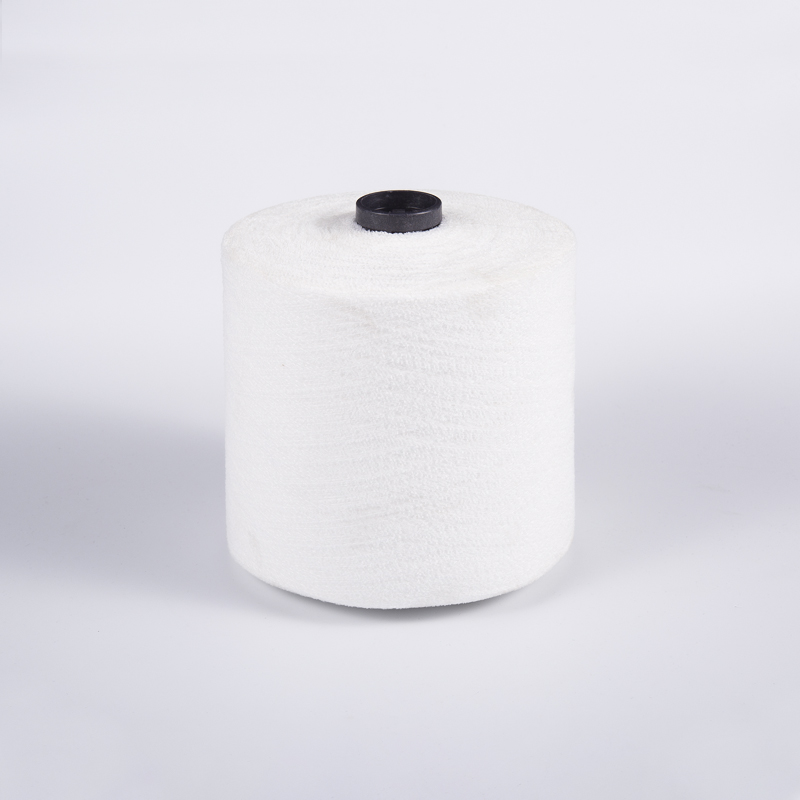
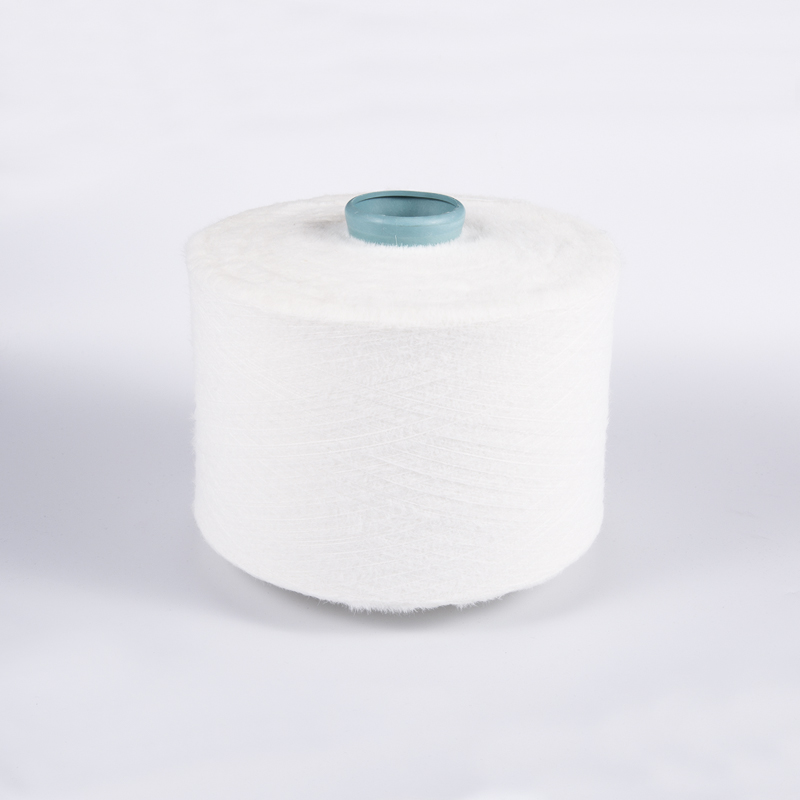
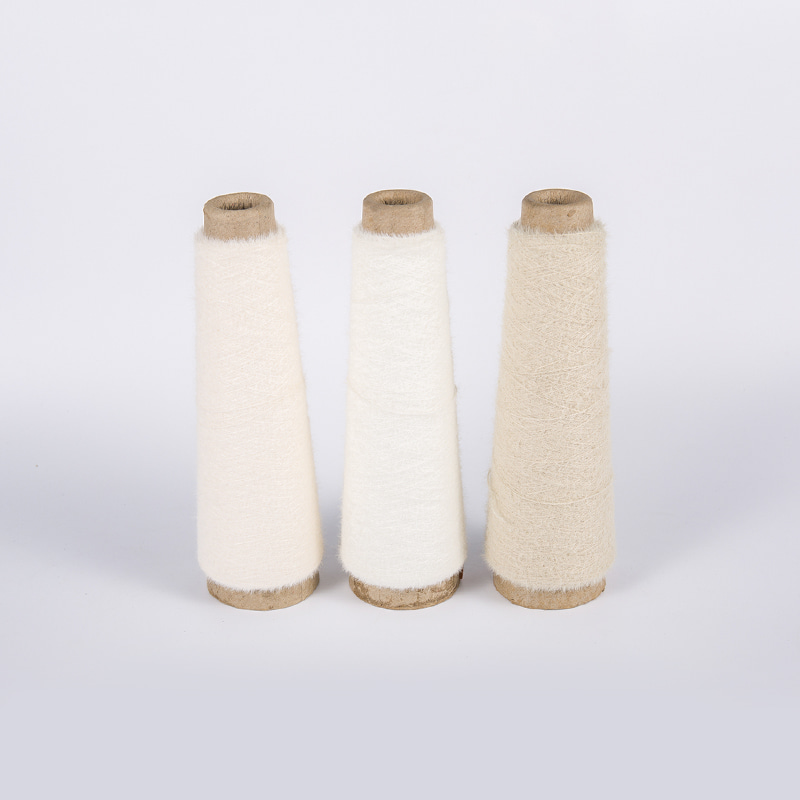
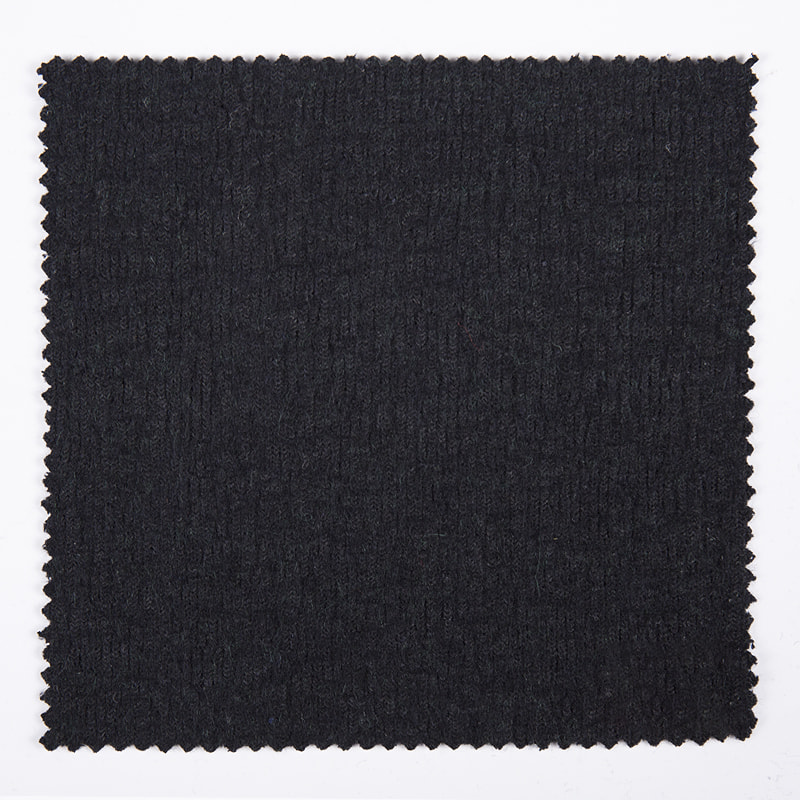
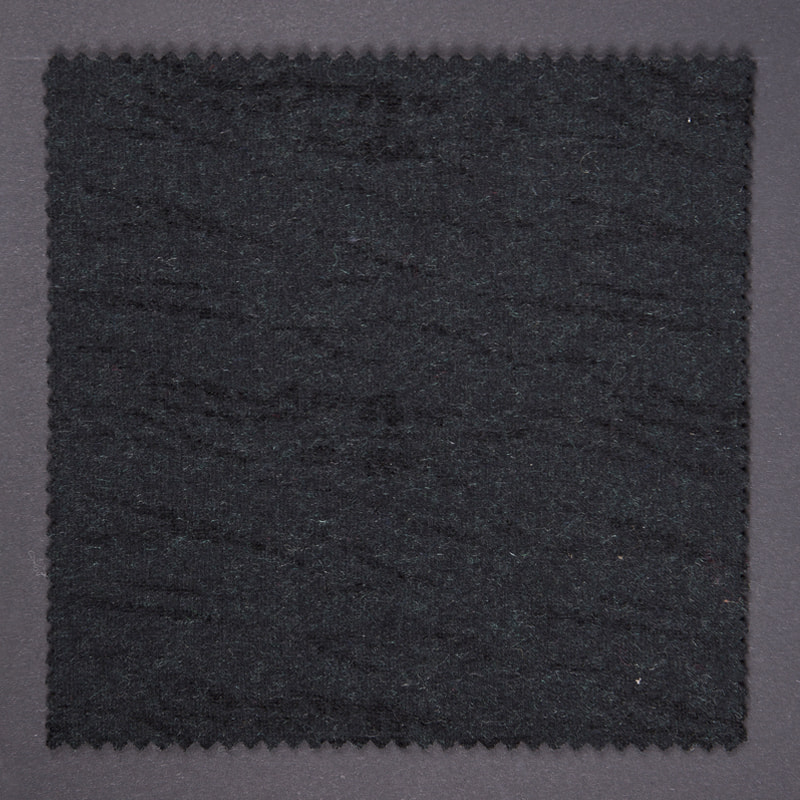
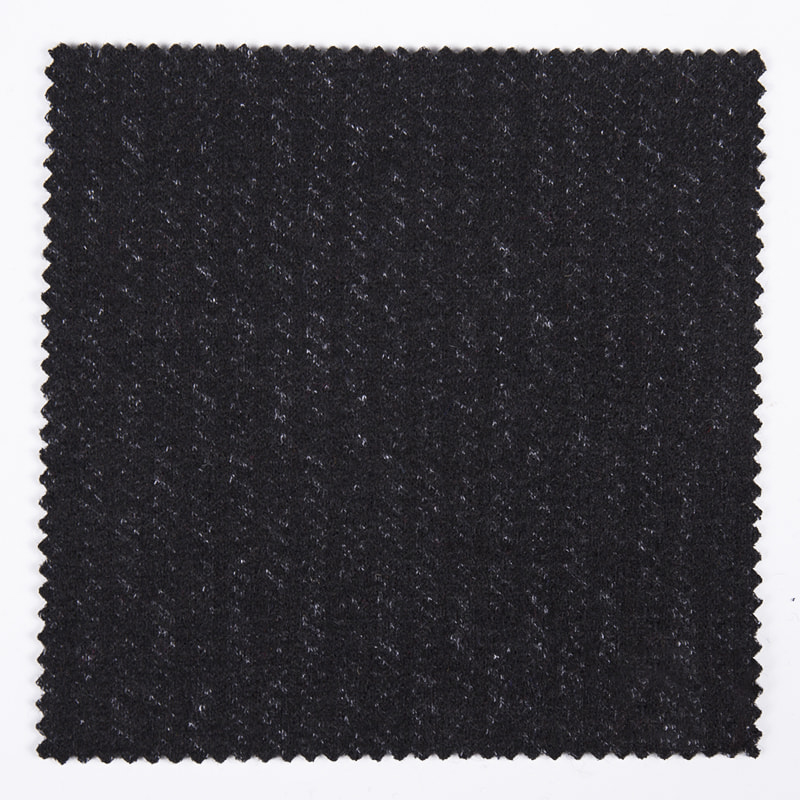
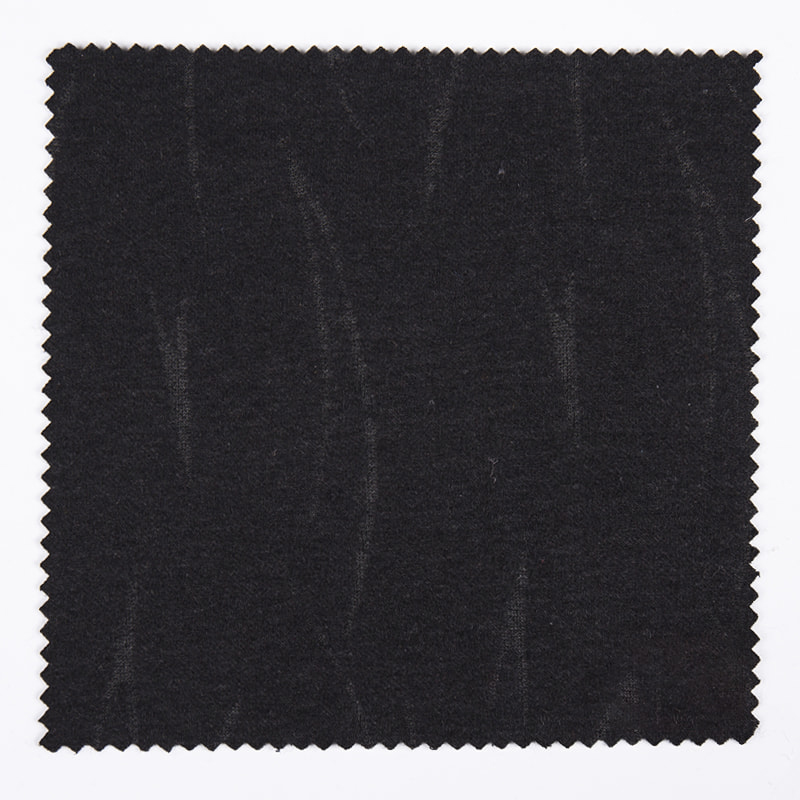
The primary distinction between thin chenille and velvet yarn lies in their internal structure. Thin chenille yarn is a pile yarn where short fibers are trapped between two core threads, creating a caterpillar-like surface. Even in thin counts (typically under 300 tex), this structure retains a defined, textured pile. In contrast, velvet yarn is usually a form of twisted yarn where the pile effect is achieved through fabric construction (such as weaving with extra warp) or by using a high-twist, brushed surface. For yarn-level products, "thin chenille" refers specifically to a fine-gauge pile yarn, while "velvet yarn" often describes a yarn with a smooth, dense surface that mimics velvet fabric after knitting or weaving. Understanding this difference helps manufacturers avoid specifying the wrong yarn for fine-gauge circular knitting machines or raschel knitting.
2. Material Composition: Polyester, Cotton, Viscose and Blends for Thin Profiles
The fiber composition of thin chenille directly determines its hand feel, moisture management, and durability. For lightweight socks and gloves, a blend of polyester and spandex is common, as it provides elasticity and shape retention. Viscose-based thin chenille is prized for its silk-like luster and softness, making it ideal for women's lightweight sweaters. Cotton-based thin chenille offers breathability but requires careful processing to maintain pile integrity in fine counts. Modern mills also produce
thin chenille/velvet yarn using recycled polyester to meet sustainability goals without sacrificing softness. The table below summarizes common material choices for thin chenille applications.
| Fiber Type |
Softness Rating |
Elasticity |
Best Application |
Care Instructions |
| 100% Polyester |
Moderate |
Low to Medium |
Socks, glove liners |
Machine wash gentle |
| Polyester + Spandex |
Moderate |
High |
Fitted lightweight garments |
Low heat drying |
| Viscose / Rayon |
Very High |
Low |
Women's sweaters, luxury knit |
Hand wash recommended |
| Cotton-Polyester Blend |
High |
Medium |
Seasonal gloves, casual wear |
Machine washable |
| Recycled Polyester |
Moderate |
Medium |
Eco-conscious apparel |
Cold wash |
3. Pile Density and Yarn Count: Achieving Softness Without Bulk
Thin chenille is defined by its fine linear density, typically ranging from 150 to 500 decitex (dtex). To maintain a plush feel without excessive weight, pile density — the number of pile fibers per centimeter — must be carefully controlled. Higher pile density creates a fuller surface but increases material cost and makes the yarn stiffer. For sock applications, a lower density (around 12-16 fibers per cm) allows the fabric to stretch and recover. For glove interiors, a medium density (18-22 fibers per cm) provides insulation without restricting finger movement. Velvet yarn, when produced as a yarn rather than a fabric, often has a shorter, more compact pile to mimic the smooth surface of velvet cloth. Manufacturers should request technical data sheets indicating pile length (usually 1-3 mm for thin counts) and core twist (250-350 TPM) to ensure the yarn matches their knitting machine's gauge.
4. Performance Characteristics: Elasticity, Abrasion Resistance and Drapability
Thin chenille yarns are valued for their unique combination of softness and flexibility. However, their pile structure makes them inherently less elastic than standard twisted yarns. To compensate, spandex core-spun variants are available where a fine spandex thread runs inside the core, providing stretch and recovery suitable for fitted garments. Abrasion resistance is another critical factor: thin chenille used in gloves or socks must withstand repeated friction. The Martindale test for thin chenille fabrics should show at least 15,000 cycles for light-use apparel and 25,000 cycles for heavy-use items. Drapability, or how the yarn falls when knit, is influenced by both core twist and pile length. Lower twist and longer pile produce a fluffier, more relaxed drape, while higher twist and shorter pile create a cleaner, more structured fabric ideal for form-fitting designs.
5. Application Focus: Socks, Gloves, Lightweight Knits and Winter Layers
Thin chenille and velvet yarns excel in specific apparel categories where warmth and lightness are required. For socks, thin chenille provides a soft interior surface that reduces friction, and when blended with nylon or spandex, it offers durability at the heel and toe. For gloves, thin chenille creates an insulating layer without the bulk of traditional wool, making it popular for touchscreen-compatible liners. In lightweight sweaters, thin chenille gives a subtle texture and drape that heavier chenille cannot achieve. Winter layering pieces, such as thin cardigans or scarf linings, benefit from the thermal retention of viscose-based thin chenille. The table below matches each application with recommended specifications.
| End Product |
Recommended Yarn Type |
Yarn Count Range (Nm) |
Spandex Inclusion |
Key Consideration |
| Casual Socks |
Polyester thin chenille |
2/28 Nm to 2/32 Nm |
5-8% |
Reinforced heel/toe area |
| Thermal Gloves |
Cotton-polyester blend |
2/24 Nm to 2/30 Nm |
None or low |
Seamless knitting compatibility |
| Lightweight Sweater |
Viscose or rayon chenille |
2/36 Nm to 2/42 Nm |
None |
Pilling resistance required |
| Scarf / Wrap |
Recycled polyester velvet yarn |
2/20 Nm to 2/26 Nm |
Optional |
Drapability and soft hand |
| Lining Fabric |
Cotton-polyester thin chenille |
2/34 Nm to 2/40 Nm |
Low (3-5%) |
Low lint, smooth surface |
6. Quality Specifications for Export: Twist, Evenness and Certification
For manufacturers exporting thin chenille yarn, consistent quality is measured through three key indicators: twist per meter (TPM), evenness (mass variation), and pile retention. Twist levels for thin chenille typically range from 280 to 380 TPM. Lower twist yields softer yarn but increases the risk of pile shedding; higher twist improves durability but reduces softness. Evenness, measured by a uniformity tester, ensures that the yarn diameter remains consistent, which is critical for fine-gauge circular knitting. Pile retention is tested by a brushing method: after 1000 cycles, the yarn should lose no more than 4% of its pile weight. Additionally, export shipments often require OEKO-TEX Standard 100 certification to confirm the absence of harmful substances. For garments intended for children or sensitive skin, Class I certification is mandatory. Many European buyers also ask for GRS certification if recycled fibers are used. Mills with in-house laboratories can provide batch-specific documentation, giving buyers confidence in the yarn's uniformity and safety.
Frequently Asked Questions About Thin Chenille / Velvet Yarn
Q1: What is the difference between thin chenille yarn and velvet yarn in fabric formation?
A: Thin chenille yarn has a pile-on-core structure that creates a distinct textured surface in the final fabric. Velvet yarn typically refers to a smooth, high-twist yarn that, when woven or knitted, produces a dense, plush surface similar to velvet fabric. For lightweight garments, thin chenille provides more insulation due to its pile, while velvet yarn offers a sleeker appearance.
Q2: Can thin chenille yarn be used on fine-gauge circular knitting machines?
A: Yes, if the yarn count and twist are matched to the machine gauge. For machines operating at 18 to 24 gauge, thin chenille with a count of 2/30 Nm to 2/40 Nm and a twist of 300 TPM typically runs well. Always request a trial sample to verify machine compatibility and minimize yarn breaks.
Q3: What spandex percentage is recommended for stretch gloves made from thin chenille?
A: For gloves requiring close fit and recovery, a spandex content of 5% to 8% is ideal. This provides sufficient elasticity while maintaining the softness of the chenille pile. Higher spandex content may make the yarn feel rubbery and reduce breathability.
Q4: How does pile length affect the thermal performance of thin chenille socks?
A: Pile length of 1.5 mm to 2.5 mm is optimal for socks. This range creates a light air-trapping layer for warmth without adding bulk that would restrict shoe fit. Longer piles (above 3 mm) may compress inside footwear and are more prone to matting.
Q5: What certifications are required for exporting thin chenille yarn to the European market?
A: OEKO-TEX Standard 100 is mandatory for yarns used in apparel. If the yarn contains recycled polyester, GRS certification is required by many European brands. For yarns used in children's garments, OEKO-TEX Class I is necessary.
References and Further Reading
- Gong, R. H., & Wright, R. M. (2019). Fancy Yarns: Their Manufacture and Application. Woodhead Publishing. Chapter on fine chenille production.
- OEKO-TEX Association. (2025). OEKO-TEX Standard 100: General and Special Conditions. Zurich: OEKO-TEX Secretariat.
- Textile Institute. (2023). Textile Terms and Definitions (13th Edition). Manchester: The Textile Institute. Entries for chenille and velvet yarns.
- International Organization for Standardization. (2022). ISO 12945-2:2020 – Determination of fabric propensity to surface pilling (Martindale method). Geneva: ISO.
- SGS Group. (2024). Testing for Fancy Yarns: Physical and Chemical Parameters. Geneva: SGS Publications.






 English
 Español