2026-11-05
Content
Chunky chenille yarn and thin velvet yarn are two of the most requested fancy yarns in today's textile market. Although both belong to the broad chenille family and share a plush, soft DNA, they differ significantly in structure, performance, and suitable applications. For a manufacturer planning a winter apparel line, a home textile collection, or a handcraft yarn program, the choice between these two yarns can determine everything from production efficiency to the final hand feel of the product. This guide explains the structural differences between chunky chenille yarn and thin velvet yarn, compares their key performance characteristics, and provides a practical end-use selection framework.
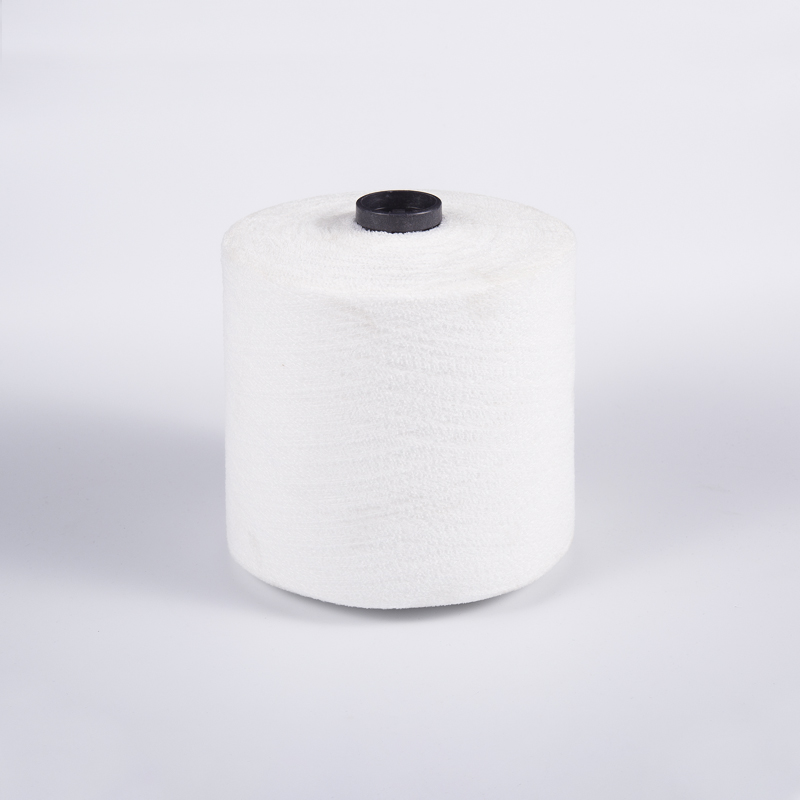
Chunky chenille yarn is defined by its thick gauge and caterpillar-like body. In the standard chenille construction, two core strands hold a layer of short pile fibers between them, and the pile is then cut open to create the characteristic tufted surface. Because the cores are thick and the pile length is generous, the yarn takes on a round, lofty profile with high bulk and excellent coverage. The surface appears matte and fluffy, similar to the surface of a plush carpet, and the touch is exceptionally soft and spongy. Typical chunky chenille counts range from 1–5 Nm, which makes it a fast-working material for thick knitted fabrics and quick handcraft projects.
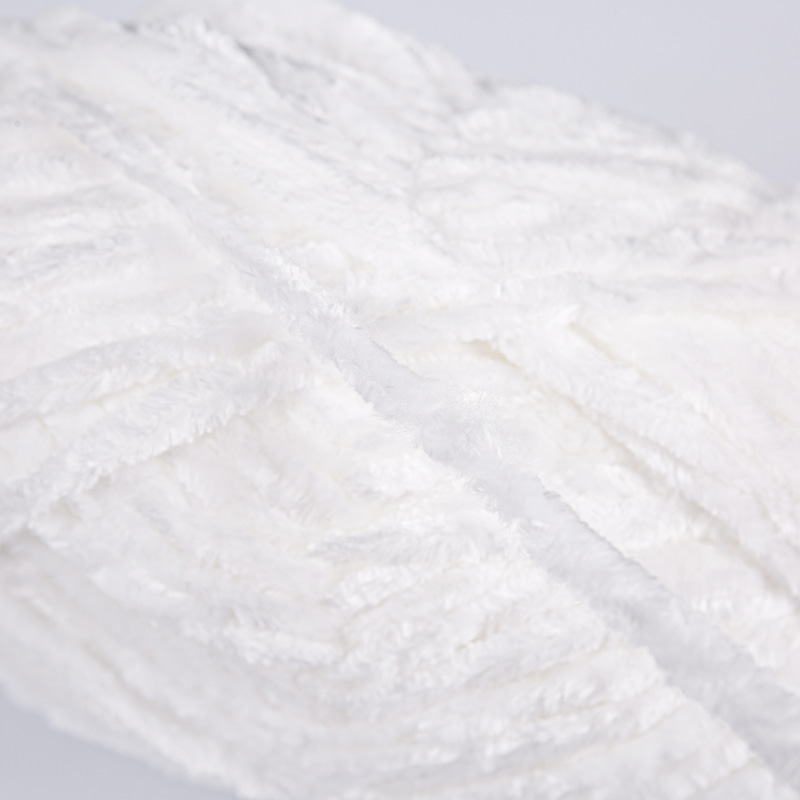 Thick Jumbo 100% Polyester Chenille Yarn for Crochet and KnittingThis thick jumbo chenille yarn, crafted from 100% polyester, delivers a soft, plush surface ideal for fast hand knitting and crochet. It is well suited for warm scarves, sweaters, and decorative pillows, offering both comfort and resilience.View Product →
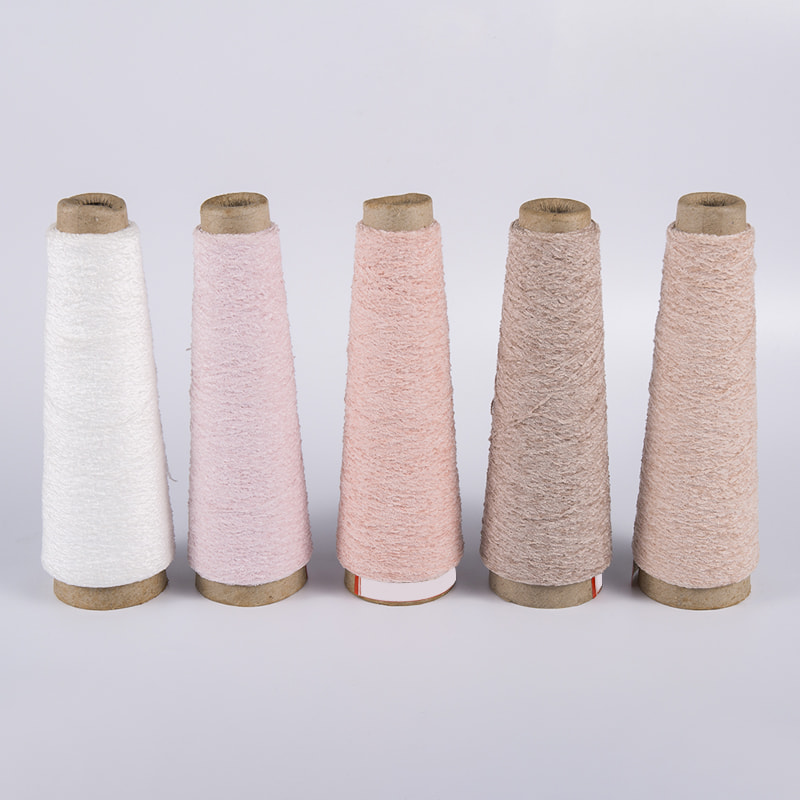
Thin velvet yarn, also called fine chenille or velvet chenille, uses the same chenille principle but on a much finer scale. The core strands are thinner, the pile length is reduced, and the twist density is increased. The result is a compact, smooth, and lightweight yarn with a dense velvet-like surface and a subtle sheen. Instead of a loose, fluffy appearance, thin velvet yarn has a clean and refined look with noticeably better stitch definition. Common counts for this yarn type are 8–23 Nm, which makes it suitable for fine-gauge knitting, weaving, and detailed pattern work such as ribs, cables, and jacquard structures.
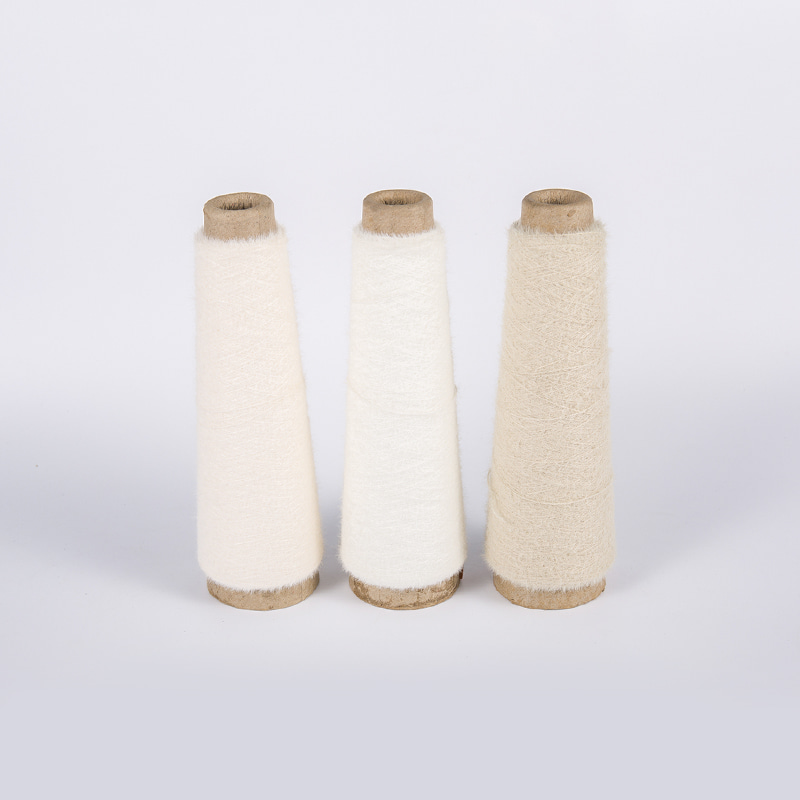
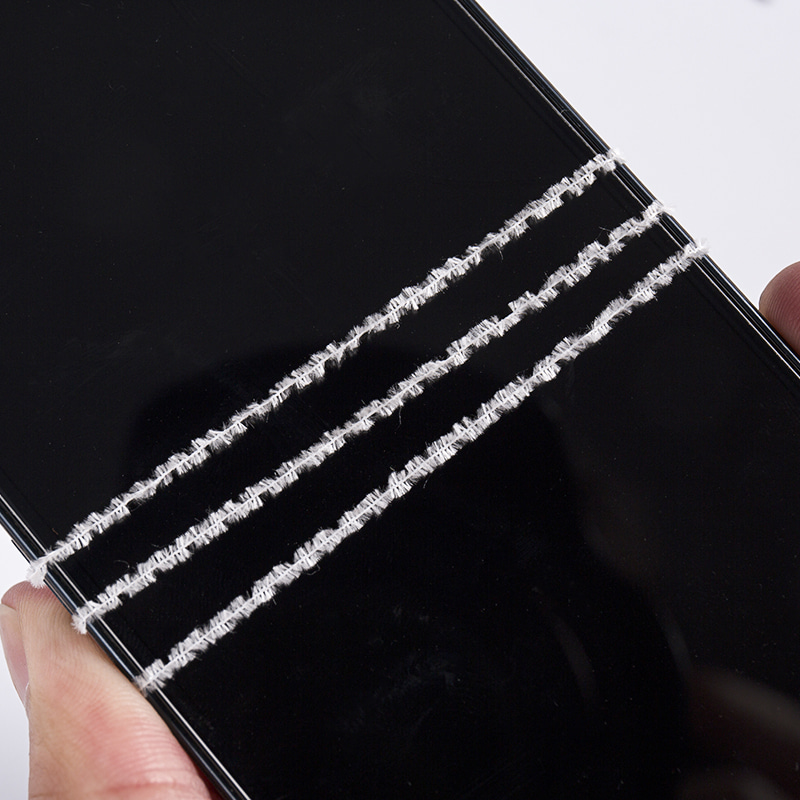 23NM Polyester Thin Chenille Yarn for Socks and GlovesThis fine 23NM chenille yarn offers a smooth, lightweight texture with clear stitch definition, perfect for delicate knitwear like socks and gloves. It provides warmth, breathability, and durability, making it a reliable choice for detailed projects.View Product →
Chunky Chenille Count
1–5 Nm
Thin Velvet Count
8–23 Nm
Pile Length Difference
1.5–3 vs 0.5–1.2 mm
| Structural Parameter | Chunky Chenille Yarn | Thin Velvet Yarn |
|---|---|---|
| Yarn count range | 1–5 Nm | 8–23 Nm |
| Pile length | 1.5–3 mm | 0.5–1.2 mm |
| Core strand | Thick, low twist | Fine, higher twist |
| Surface appearance | Matte, fluffy, tufted | Smooth, dense, slight sheen |
| Stitch definition | Low to moderate | High |
| Bulk and coverage | High | Moderate to low |
Both yarns are prized for their softness, but the tactile experience is clearly different. Chunky chenille feels thick, spongy, and dry-cozy, like a warm blanket; it creates an immediate sense of comfort and cushioning. Thin velvet yarn feels silkier, denser, and more fluid, with a smooth surface that glides against the skin. For garments worn directly on the body, thin velvet is often preferred because it does not add bulk and drapes more naturally. For comfort textiles and accessories, chunky chenille delivers the enveloping softness that consumers expect from plush products.
The structural difference directly affects long-term durability. Chunky chenille yarn has longer piles that are more exposed to friction, making it more prone to pilling, pile loss, and surface distortion over time. Thin velvet yarn, with its shorter piles and tighter construction, resists abrasion much better and maintains a cleaner surface after repeated washing. That said, both yarns share a known weakness called worming, where the pile shifts and visible gaps appear between stitches. Worming is largely controlled by twist, yarn count, and finishing quality, which is why choosing a yarn supplier with strict production control is essential for consistent quality.
In production, chunky chenille works up quickly and covers large areas with a small number of stitches, making it ideal for bulky knit structures and hand crochet. The main drawback is that it is difficult to unravel because the piles catch on each other, so mistakes are costly. Thin velvet yarn feeds more smoothly through needles and produces precise, even stitches, which suits fine patterns, fitted garments, and striped or jacquard designs. It also performs better in weaving, where uniform pile density is required to achieve a clean, even fabric surface.
Chunky chenille yarn is at its best when the goal is softness, warmth, and visual volume. Common end uses include thick blankets and throws, upholstery yarn for cushion covers and decorative pillows, hand-crocheted bags, winter scarves and hats, and plush home accessories. Because it covers surfaces quickly and has a rich tactile quality, it is also a favorite for craft yarn lines and hospitality interior textiles.
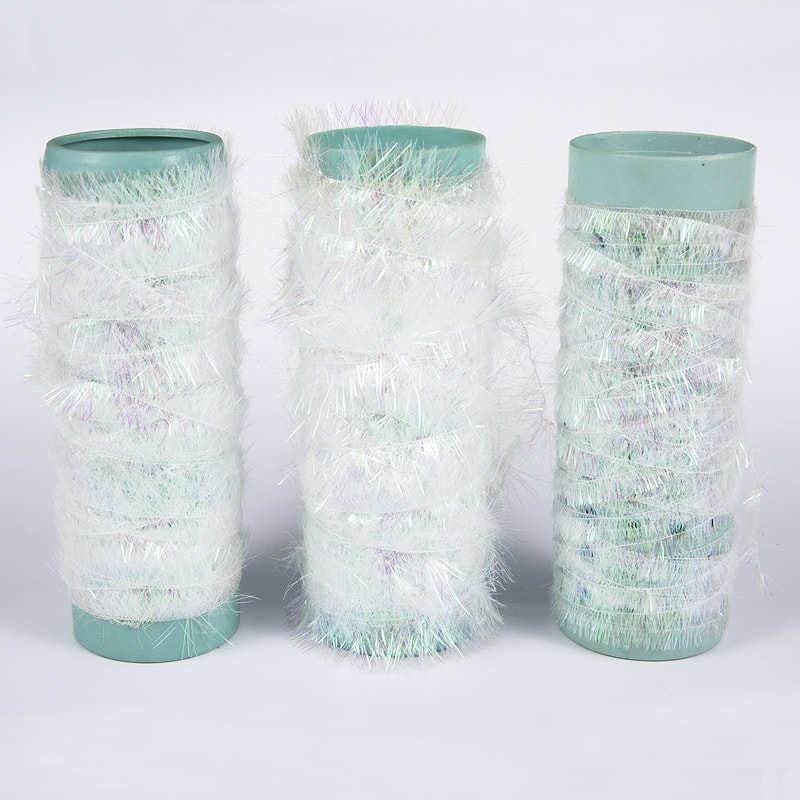
 100% Polyester Chunky Ice Stripe Yarn for BlanketsDesigned for voluminous blankets, this chunky yarn features a striking ice stripe pattern and a dense, heavy build. Each 250g ball yields about 27 meters, allowing fast creation of textured throws and cozy covers with a plush finish.View Product →
Thin velvet yarn is the right choice when the application demands fine gauge, accurate stitch definition, or a sleek, lightweight surface. Typical end uses include socks, gloves, and hats; baby knitwear; lightweight sweaters and cardigans; decorative trims and fringes; and woven upholstery or apparel fabrics. It is also widely used in plush toys, where a short, dense pile gives a cleaner finish and better shape retention after stuffing.
| End-Use Application | Recommended Yarn Type | Key Reason |
|---|---|---|
| Chunky blankets and throws | Chunky chenille | Bulk, warmth, fast coverage |
| Socks and gloves | Thin velvet | Fine gauge, elasticity, abrasion resistance |
| Baby knitwear | Thin velvet | Lightweight, smooth, non-bulky |
| Upholstery pillows | Chunky chenille | Cushioned texture, decorative volume |
| Plush toys | Thin velvet | Dense pile, shape retention |
| Hand-crochet accessories | Chunky chenille | Quick workup, soft and forgiving |
Whichever yarn type you choose, fiber composition and twist parameters are the two most important quality factors. Polyester is the dominant fiber for both chunky chenille and thin velvet yarn because it provides strength, colorfastness, and easy care. Cotton and viscose blends can improve breathability or add a natural matte texture, while nylon is sometimes added for extra resilience in high-wear applications such as socks and gloves.
For chunky chenille yarn, a slightly higher twist helps anchor the piles and reduce shedding, but excessive twist will make the hand feel stiff. For thin velvet yarn, uniform yarn count and consistent pile density are the most reliable quality indicators. Before committing to a large order, ask your supplier for detailed specifications, wash tests, and pre-production samples. A reputable yarn manufacturer with in-house production lines will normally offer OEM and ODM development support as well. If you are reviewing multiple options, our guide on choosing the right chunky chenille yarn supplier explains what to check in terms of twist, pile stability, and supply capacity.
Key takeaway: Twist, pile length, and count consistency are the three parameters that determine most chenille quality issues. Always validate them with wash tests and production trials.
Chunky chenille is not an ideal choice for fine knitting. Its thick gauge and low stitch definition make it better suited to bulky knitting, crochet, and weaving, where softness and coverage are more important than fine detail.
Shedding in thin velvet yarn is usually caused by insufficient twist or overly long pile lengths. Choose a yarn with balanced twist and verify the finishing process with your supplier before mass production.
Thin velvet yarn is generally more durable because its shorter piles and denser structure resist abrasion and pilling better than the long, open piles of chunky chenille yarn.
Yes. Both chunky chenille and thin velvet yarn can be dyed, and most mills offer package dyeing and custom color matching. Be sure to confirm colorfastness and felting behavior during the development stage.
Choosing between chunky chenille yarn and thin velvet yarn ultimately comes down to your application requirements. Chunky chenille excels in bulky, soft, and visually rich products such as blankets, upholstery, and handcrafted accessories. Thin velvet yarn shines in fine-gauge apparel, socks and gloves, babywear, and any product that needs a smooth, dense, and precise surface. By understanding the structural differences and matching each yarn to its intended end use, you can avoid costly trial and error and deliver products that satisfy both your performance and commercial objectives.
Related Products

© 2024 Suzhou Qizhen Textile Trade Co., Ltd. All Rights Reserved.



 English
 Español