2026-10-26
Content
Embossed bubble knitted fabric has become a preferred choice for sportswear, jackets, and winter garments because its raised, pillowy surface creates a sculptural three-dimensional depth that flat knits cannot match. For garment manufacturers and fabric buyers, the decisive test is not how dramatic the texture looks on the roll, but whether it survives the harsh conditions of industrial washing. Commercial laundry cycles expose textiles to higher temperatures, prolonged mechanical agitation, and stronger detergents than domestic washing, and any surface effect that is not firmly anchored will gradually flatten. This article explains how embossed bubble knitted fabric retains its 3D texture after industrial washing, and what you should verify in a fabric sample before committing to bulk production.
A common assumption is that the bubble effect comes entirely from the embossing machine pressing a pattern into finished cloth. In practice, durable 3D texture starts much earlier in the value chain. The base cloth is normally a knitted jacquard fabric constructed from a polyester, viscose, and spandex blend, and every fiber has a specific task:
When the fabric passes through the embossing calendar during finishing, the heated rollers reshape the surface under controlled pressure. Because the polyester in the yarn system is present from the very beginning, the new shape becomes thermodynamically stable. The finished fabric does not simply carry a printed or mechanically impressed pattern; it carries a heat-set structure that treats every future wash as a reminder of its original three-dimensional shape.
Not every embossed bubble fabric behaves the same way in a commercial washing plant. The table below summarizes the four parameters that determine whether a 3D surface will hold up through heavy wash loads.
| Factor | Contribution to 3D Stability | What to Verify |
|---|---|---|
| Fiber blend | Thermoplastic polyester locks in the raised form, while spandex adds stretch recovery. | Polyester as the dominant component and spandex in the 3-8% range. |
| Yarn structure | Compact, evenly twisted yarns resist crushing at the crest of each bubble. | Absence of slubs or uneven sections on close inspection. |
| Jacquard ground | Differential loop heights build the base topography that embossing later fixes. | Tight back loops without long floats that can snag or distort. |
| Heat-setting control | Temperature, dwell time, and cooling rate anchor the pattern into the fiber. | Documented setting temperature and calendar speed for every batch. |
These parameters are not theoretical. Each one can be checked on a lab-sized sample before bulk production, and a capable supplier will be willing to run a quick industrial washing trial on a cut of the fabric.
Embossing is a high-speed, high-pressure calendering operation. The fabric passes between a heated engraved roller and a softer backing roller, so the raised parts of the engraving press into the cloth while the lower parts leave the yarns relatively unstressed. At the same moment, heat softens the polyester molecules and allows the compressed and stretched regions to flow into a new position.
The critical step comes after the roller. As the fabric cools, the polyester chains resolidify around the deformed geometry, and it is this cooling phase, not the pressure itself, that gives the 3D texture its wash durability.
If the fabric leaves the machine too quickly or cools unevenly, the memory effect is incomplete and the bubbles relax within a few wash cycles. This is why the same pattern can behave differently from one mill to another. The hardware may look identical, but precise control of temperature, nip pressure, and cooling speed determines whether a fabric offers a decorative emboss or a genuinely wash-durable bubble structure.
Industrial washing is far more aggressive than home laundry. Commercial cycles typically run at 60-85 degrees Celsius, use alkaline detergents and brightening agents, and subject the goods to strong mechanical action for 30 to 60 minutes. Under these conditions, three forces attack the bubble surface:
Key InsightA well-constructed embossed bubble knit survives these attacks for four reasons at once: the crest of the bubble resists crushing thanks to the compact yarn twist; the valley between bubbles keeps its recessed shape because the jacquard ground tension pulls it inward; the spandex absorbs the mechanical shock; and the polyester backbone returns the fibers to their heat-set coordinates as soon as the cycle finishes. In practical terms, garments made from high-grade bubble fabric typically retain clearly defined 3D patterns even after 30 or more industrial wash cycles.
Because the difference between a stable and an unstable bubble structure is not visible on the bolt, buyers should insist on evidence. A simple three-step check covers most cases. First, ask for the exact fiber blend percentages and confirm that a thermoplastic fiber such as polyester dominates the composition. Second, request a finished sample that has already gone through three to five industrial wash cycles and compare it side by side with an unwashed piece. Third, ask to see the production records for heat-setting temperature and calendar speed.
For a detailed sourcing procedure and the common pitfalls to avoid, the buyer's playbook for selecting a reliable bubble fabric manufacturer walks through inspection checklists and practical quality benchmarks.
The retained 3D texture is not merely cosmetic. In sportswear, the raised bubble surface creates a thin insulating air layer next to the skin while remaining lightweight, which is exactly why the fabric appears so often in training suits, warm-up jackets, and performance outerwear. These garments are washed frequently and often commercially, so the ability to survive industrial washing is a core functional requirement rather than a marketing feature.
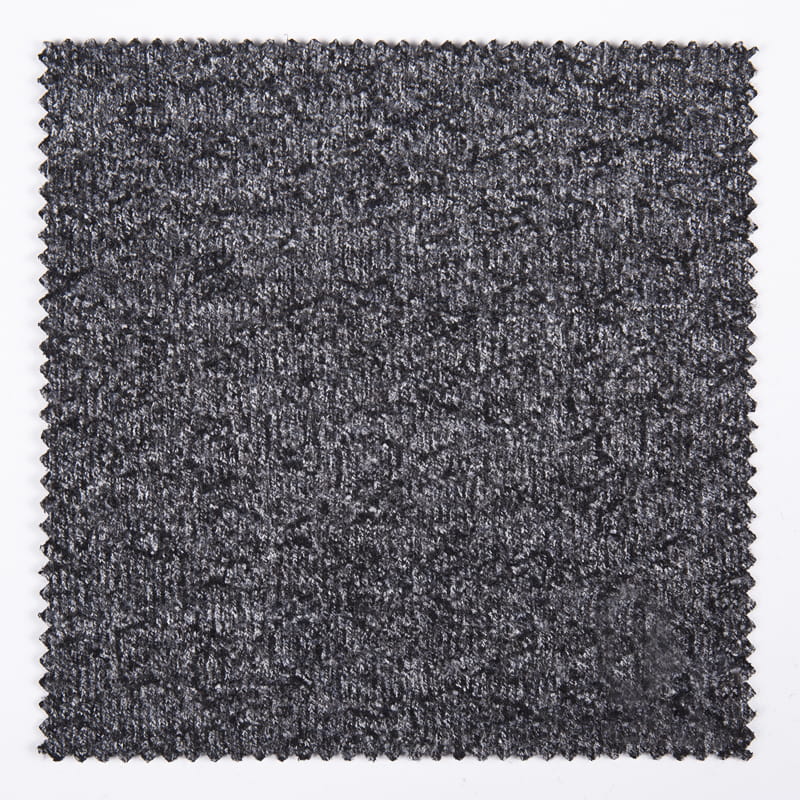
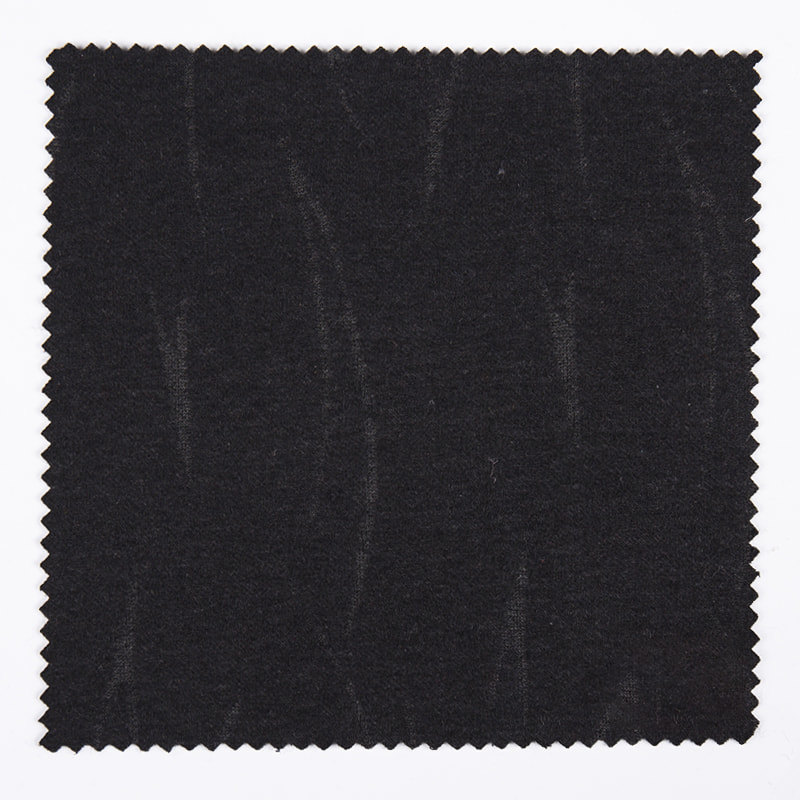
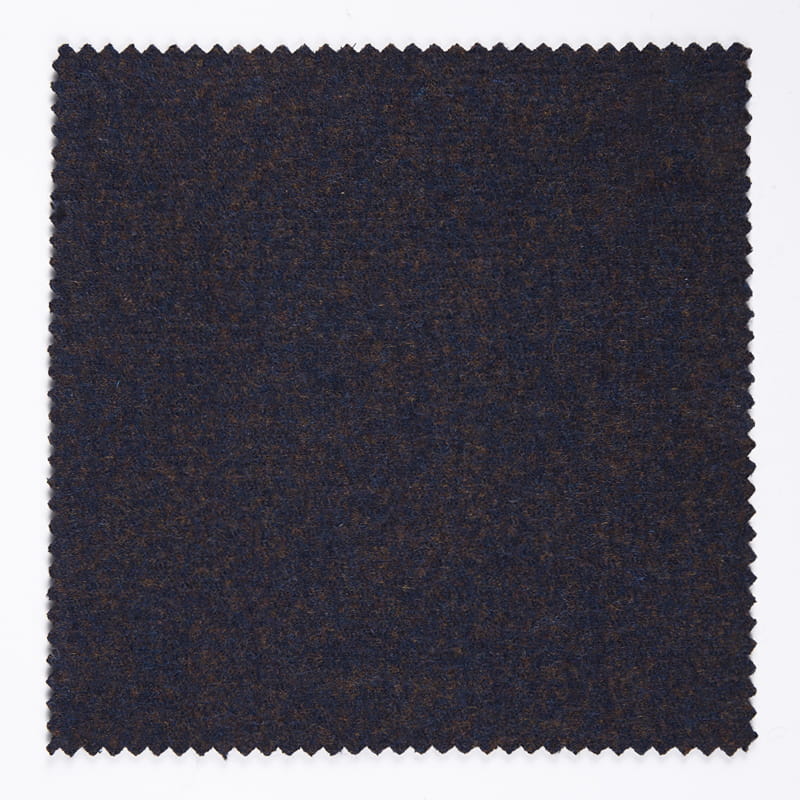
The specifications of a typical durable bubble knit can be seen in the embossed jacquard sportswear fabrics produced by Aodejia Textile. Each piece is engineered around the polyester-viscose-spandex construction and the wash-durability logic described above:
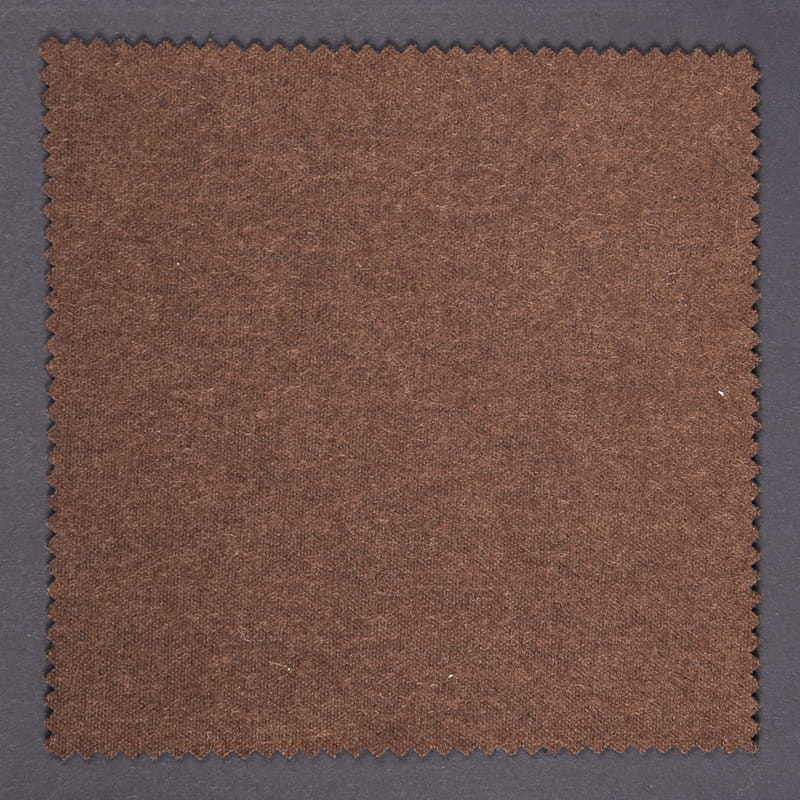
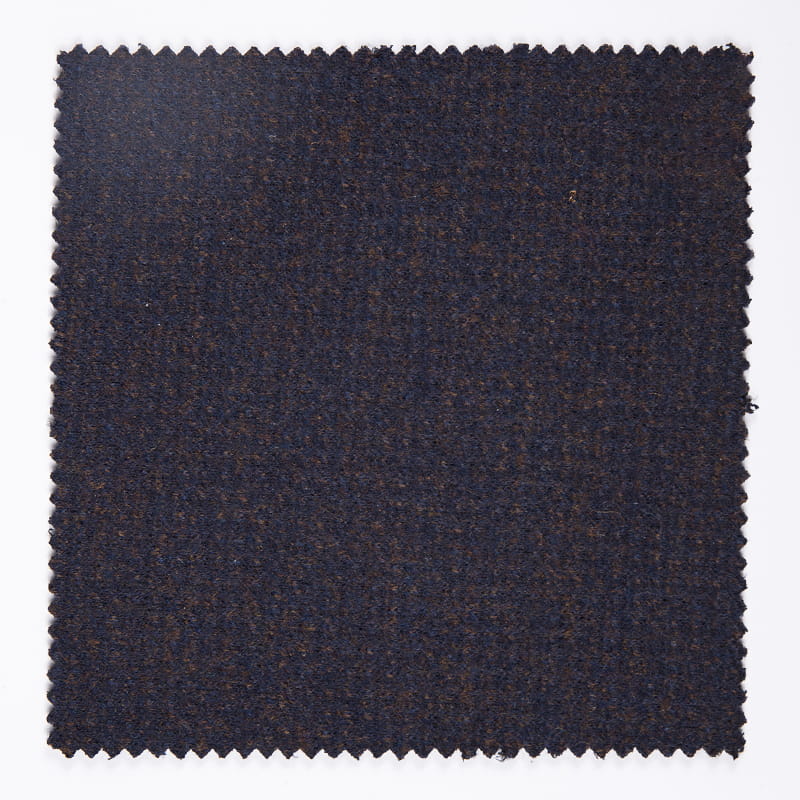
 Embossed Cubes Knitted Jacquard Polyester Viscose Spandex FabricThis jacquard-knitted sportswear fabric features a durable three-dimensional cube texture. Its polyester-viscose-spandex blend balances shape retention, softness, and stretch, making it ideal for autumn/winter activewear that withstands repeated washing.View Product →
 Embossed Diamond Twill Knitted Jacquard Polyester Viscose Spandex FabricA sportswear textile with a diamond twill jacquard pattern, constructed from polyester, viscose, and spandex for durability, comfort, and elasticity. The embossed surface adds visual interest while maintaining the wash-durable structure highlighted in the surrounding discussion.View Product →
 Embossed Herringbone Knitted Jacquard Polyester Viscose Spandex FabricThis herringbone-embossed jacquard knit combines polyester, viscose, and spandex for a resilient yet comfortable sportswear fabric. Its textured surface and stretch recovery support dynamic movement, while the construction aligns with the wash-durability performance described above.View Product →
With a polyester-dominant blend and correct heat-setting, most of the 3D structure remains visible after 30 industrial wash cycles, and many tested samples outperform that number. The pattern gradually softens but does not completely flatten.
If the fabric has been properly heat-set, pressing it with a domestic iron on a low synthetic setting with light steam can partially raise the bubbles again. This serves as a recovery mechanism, but it does not replace genuine wash durability.
Blends with more than roughly 40% natural or non-thermoplastic fibers, such as high-cotton compositions, tend to lose the embossed definition quickly because cotton has no heat-set memory. Viscose and modal can be used in moderate amounts for hand feel, but polyester should remain the dominant component.
The retention of 3D texture after industrial washing is not an accident of machinery. It is the result of disciplined fiber selection, controlled knitting parameters, and precise heat-setting. Garment brands that plan to use bubble fabric in frequent-wash categories such as sportswear and lightweight jackets should audit these parameters with the same seriousness as color fastness or shrinkage.
Aodejia Textile has spent more than 20 years manufacturing fancy yarns and knitted fabrics, and its embossed bubble collection is developed around exactly this wash-durability logic. For OEM and ODM projects, the company supports sample testing, and industrial washing trials can be arranged before bulk production. You can explore the full fabric and yarn selection on the website or contact the team directly for a technical consultation.
Related Products

© 2024 Suzhou Qizhen Textile Trade Co., Ltd. All Rights Reserved.





 English
 Español