2026-10-19
Content
High-luster knitwear catches the light and lifts the mood of any winter wardrobe. Yet the quickest way to add sparkle, metallic fiber, frequently comes with the same complaint: a rough, scratchy feel that makes a beautiful sweater unbearable next to skin. The good news is that luster and comfort do not have to be traded off against each other. By understanding the difference between sparkle yarn and metallic fiber, and by selecting the right yarn construction, manufacturers and designers can achieve brilliant, eye-catching knitwear that stays gentle on the skin.
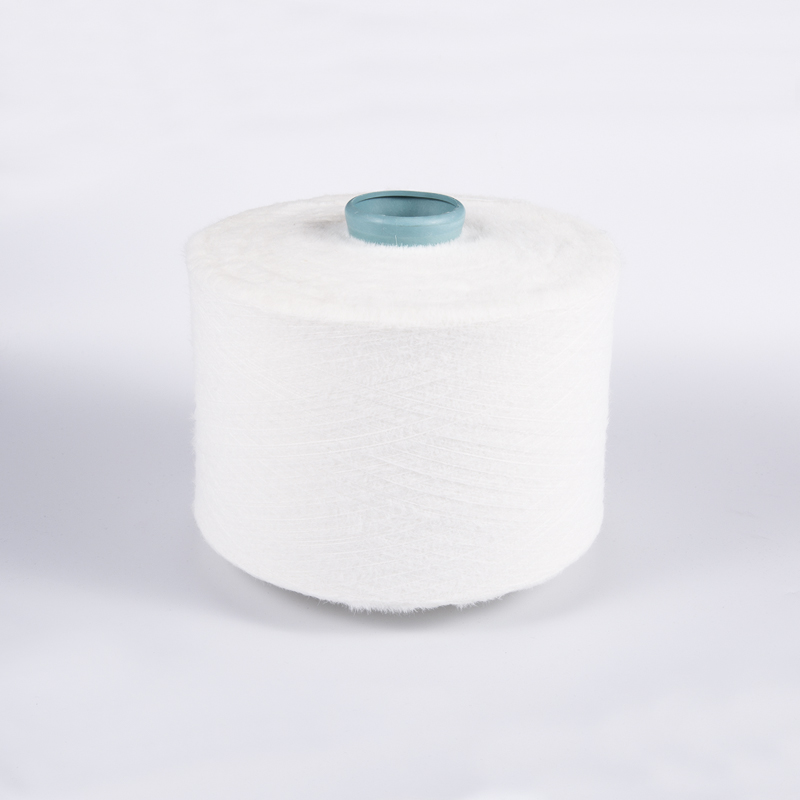
Sparkle yarn is a fancy yarn that combines a fine metallic or iridescent filament with a softer base fiber such as polyester, acrylic, nylon, wool, or viscose. The shiny component is deliberately thin, and it is either twisted around the outside of the yarn, wrapped around a core, or blended loosely into the fiber mass. The result is a controlled, glittering effect rather than the hard mirror-like reflectivity of a solid metallic thread.
In practice, sparkle yarn brings sunlit shine to sweaters when it is knitted in simple stitches. Large, unbroken areas of stockinette or garter stitch allow the metallic filaments to lie flat and reflect light evenly, while the soft base fiber keeps the fabric flexible and warm.
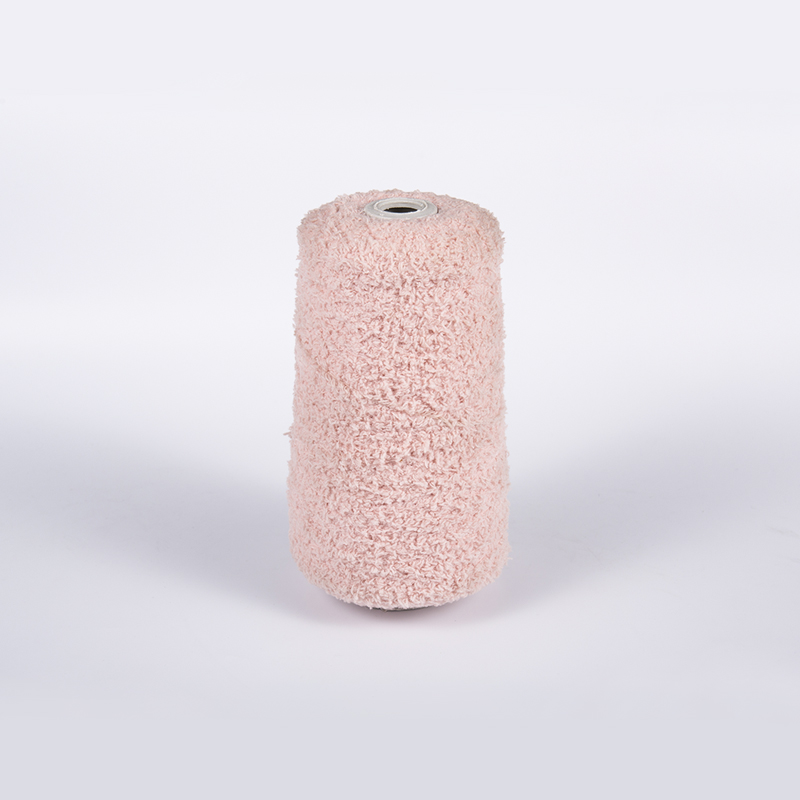
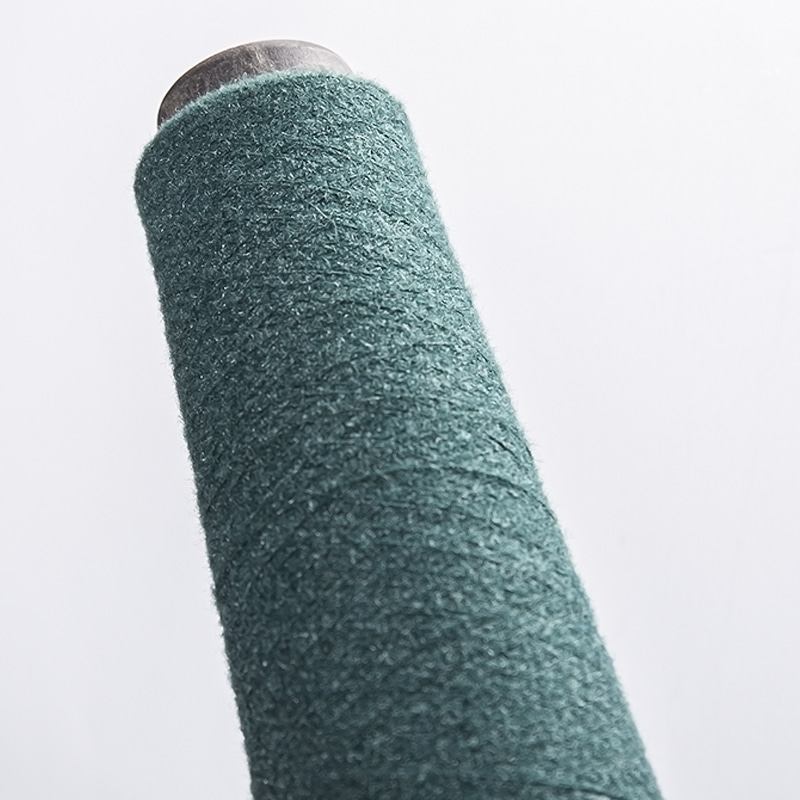 Crystal Sparkle Feather Yarn with Polyester and Viscose BlendThis feather yarn combines sparkling polyester filaments with a soft viscose base, offering both shine and comfort. It suits sweaters and scarves where sunlit luster is needed without harsh texture.View Product →
Sparkle yarn appears in many forms. A crystal sparkle feather yarn, for example, pairs a glistening polyester filament with a fluffy feather-yarn body, a construction we produce in our own mill for winter sweater and scarf programs. The same logic can be applied to jacquard knitted fabrics, where sparkle appears as an accent in the pattern while the reverse side stays smooth and pleasant.
Metallic fiber is a manufactured textile fiber made from metal or metal-coated polymer. Traditional metallic yarn was produced by slitting thin sheets of actual metal into thread-like strips. Modern versions are more practical: a layer of aluminum is laminated between two clear polyester films and then micro-cut into fine filaments. These filaments deliver a strong, continuous, high-gloss reflection that cannot be matched by conventional dyed yarns.
Because of its stiffness, metallic fiber feels very different from ordinary textile fibers. It does not absorb moisture, it does not bend easily, and when it is used as the main body of a yarn, it presses into the skin with every movement. Pure metallic yarn is therefore best suited to decorative edges, embroidery, festive accessories, and evening wear, where it does not sit directly against the body for long periods.
| Property | Sparkle Yarn | Metallic Fiber |
|---|---|---|
| Luster | Soft, sparkling shimmer | Intense mirror-like flash |
| Hand feel | Soft and flexible | Stiff and firm |
| Skin comfort | High when wrapped in soft fibers | Low when used alone |
| Knitability | Easy, good drape | Prone to snagging and splitting |
| Durability | Good with proper care | Good but can fray at cut edges |
| Best use | Sweaters, cardigans, accessories | Trims, evening wear, decorative details |
The scratching sensation associated with metallic fiber is not imaginary. It is a measurable physical response triggered by several properties of the material.
The takeaway is clear: the problem is not the glitter itself, but how the shiny component is engineered into the yarn and how much of it actually touches the skin.
Manufacturers of comfortable shiny knitwear rely on five practical principles.
When a metallic filament is spirally wrapped around a soft core of polyester, viscose, or cotton, it stays on the outside of the yarn, where it can flash and reflect. The hard edges of the filament are spaced apart and cushioned by the core, so the skin feels the soft fiber more than the metal. Core-spun constructions are the most reliable way to combine brilliance with a gentle hand feel.
A sparkle yarn with 5 to 15 percent metallic content is usually enough to produce a noticeable shimmer, while higher ratios begin to compromise softness. Controlling the ratio at the spinning stage also improves knitting performance, because excessive metallic content increases yarn breakage and needle wear.
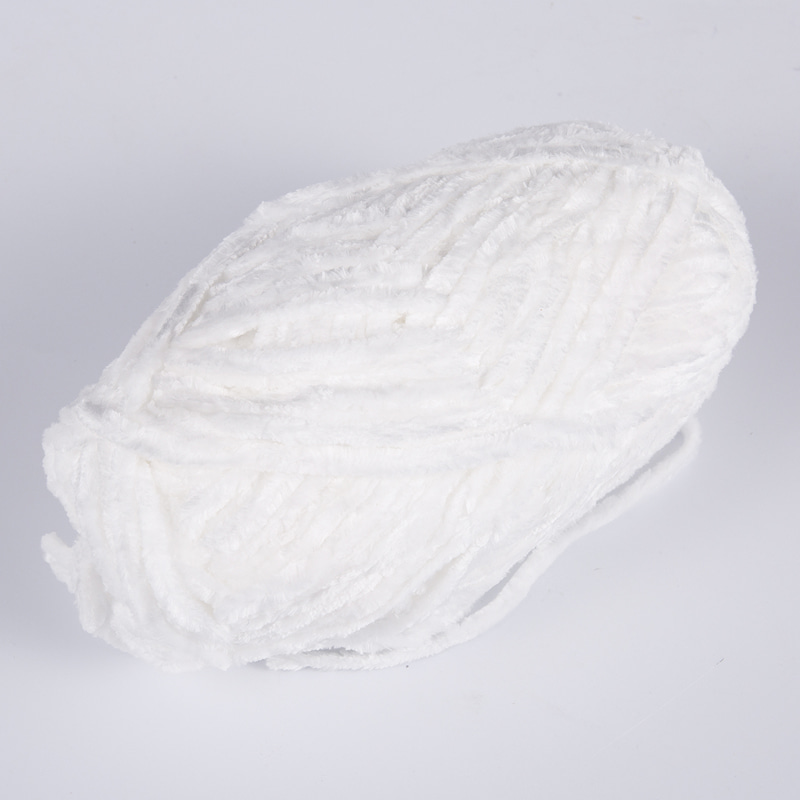
Luster does not always require metal. Polyester chenille and velvet yarn made from semi-dull fibers can deliver a soft sheen that resembles silk, without any metallic filament at all. These yarns are naturally flexible, moisture-resistant, and very comfortable against the skin.
 Semi-Dull Polyester Velvet Chenille Yarn for CrochetMade from semi-dull fibers, this chenille yarn has a gentle sheen and velvety touch. It is ideal for crochet projects like garments and home décor where soft luster and comfort are priorities.View Product →
For knitted fabrics, brushing the reverse side creates a raised fiber layer that keeps the skin away from the shiny face of the fabric. This is the technique used in many brushed fleece and imitation mink fabrics, where the outside glows and the inside feels like a gentle plush.
Loosely knitted structures drape better and allow the yarn to flex, which reduces the pressure of any stiff filament against the skin. Tight stitches, by contrast, trap the yarn and lock stiff fibers into fixed positions, making the fabric feel rougher than it really is.
Industrial knitting places additional demands on shiny yarns. A metallic filament with low tensile strength breaks during high-speed knitting, and metallic dust accelerated by machine friction can damage needles and compromise quality control. The solution is to select sparkle yarn with a high-tenacity polyester filament and a plied or wrapped structure that protects the shiny component during processing.
Finishing also changes the hand feel. Softeners and steam relaxation reduce the friction between metallic filaments and skin, while the same principles used for maintaining the high-end texture of thin chenille and velvet yarn apply to sparkle yarn: gentle washing, low heat, and careful drying preserve the softness of the base fiber and keep the metallic component intact.
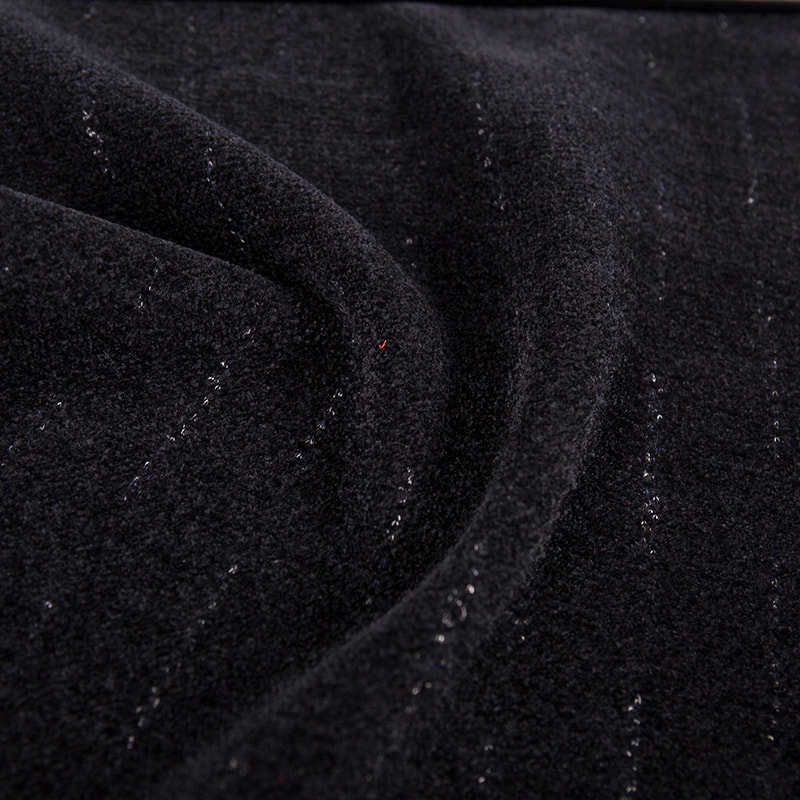
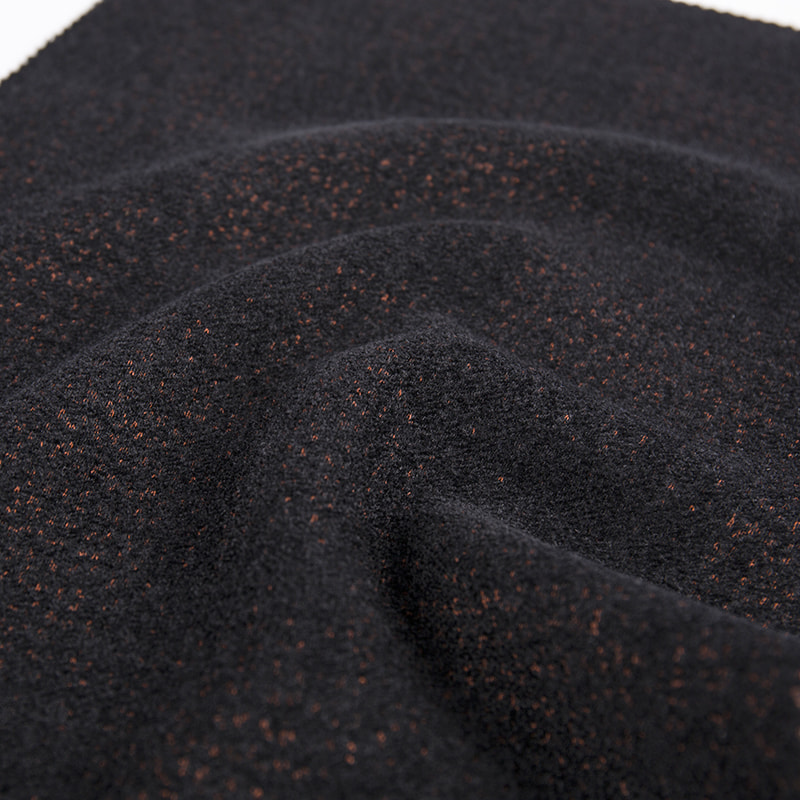
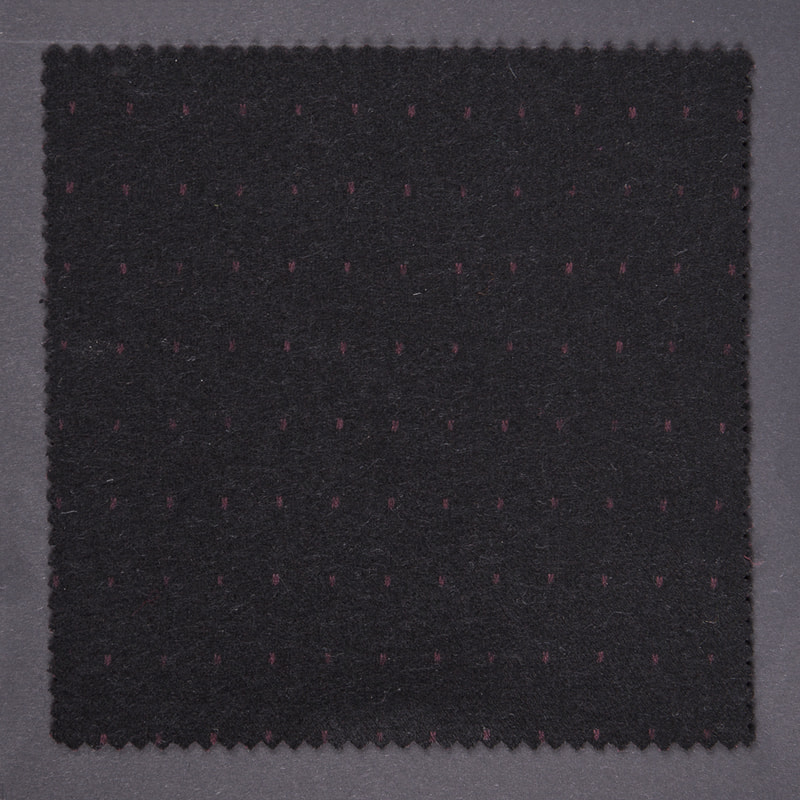
For winter coats and jackets, metallic tweed fabrics offer an elegant middle ground. The shiny metal threads are woven into the face side as decorative accents, while the dense wool or polyester construction provides warmth and structure. The skin never touches the metal directly because the reverse side is finished with brushing or a fleece backing.
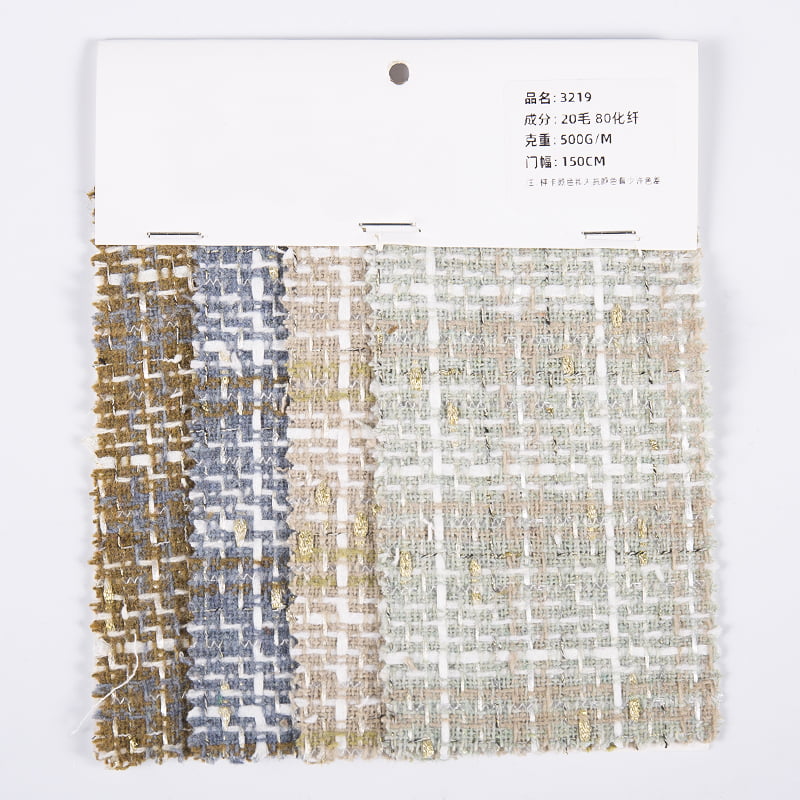 Metallic Gold and Silver Tweed Fabric with Wool BlendThis Chanel-style tweed integrates metallic threads on the face while a wool-polyester construction provides warmth. It offers elegant shimmer for coats and jackets with a brushed reverse for comfort.View Product →
Fabrics of this type are widely used for women's coats, Chanel-style jackets, and festive suiting, where luster is desired but next-to-skin comfort cannot be sacrificed.
Not necessarily. Itchiness depends mainly on the base fiber and on the thickness and position of the metallic filament. If the shiny component is very fine and wrapped around a soft core, the yarn can feel smooth even against sensitive skin.
Velvet chenille yarn made from semi-dull polyester is one of the softest shiny yarns because it contains no metal. A sparkle yarn with a viscose or polyester core and a thin metallic wrap is a good second option.
Technically yes, but it will feel stiff and is likely to irritate the neck, wrists, and waist. Metallic fiber works far better as an accent, held together with a soft base yarn or incorporated into a blended and brushed fabric.
Choose patterns with a folded ribbed collar, add a soft fabric binding on the neckline, or select a yarn in which the metallic filament is hidden inside the twist. Wearing a thin cotton layer underneath also protects sensitive areas.
Hand washing in cold water with mild detergent preserves the metallic coating. Prolonged machine washing and tumble drying can dull the surface, so gentle care is important to maintain both luster and softness.
The debate between sparkle yarn and metallic fiber does not need a winner. Metallic fiber remains an important raw material for high-gloss accents, while sparkle yarn, and the wider family of softly lustrous fancy yarns, gives manufacturers a way to satisfy customers who want the look of luxury without the discomfort.
The key lies in construction. Keep the metallic element thin, wrap it around a soft core, limit its share in the blend, and finish the fabric so the skin side stays plush. By applying these principles, knitwear factories, fashion brands, and hand-knitting yarn producers can confidently deliver high-luster garments that feel as good as they shine.
Related Products

© 2024 Suzhou Aodejia Textile Technology Co., Ltd. All Rights Reserved.





 English
 Español