2026-01-14
Content
Choosing a dependable knit fabric factory is essential to ensure consistent quality, timely delivery, and technical precision for large-scale fabric production. A reliable factory not only fulfills specific fabric requirements but also supports scalable production, custom yarns, and sustainable manufacturing practices. Suzhou Aodejia Textile Technology Co., Ltd. exemplifies this capability, offering over 20 years of experience in spinning and fabric production, with integrated R&D, production, and sales operations.
Clearly defining the quantity of fabric needed and the expected delivery schedule is a critical first step. Large orders require factories with sufficient production capacity and multiple production lines to maintain consistent output. Suzhou Aodejia Textile Technology Co., Ltd. has professional production lines capable of managing high-volume orders efficiently without compromising quality.
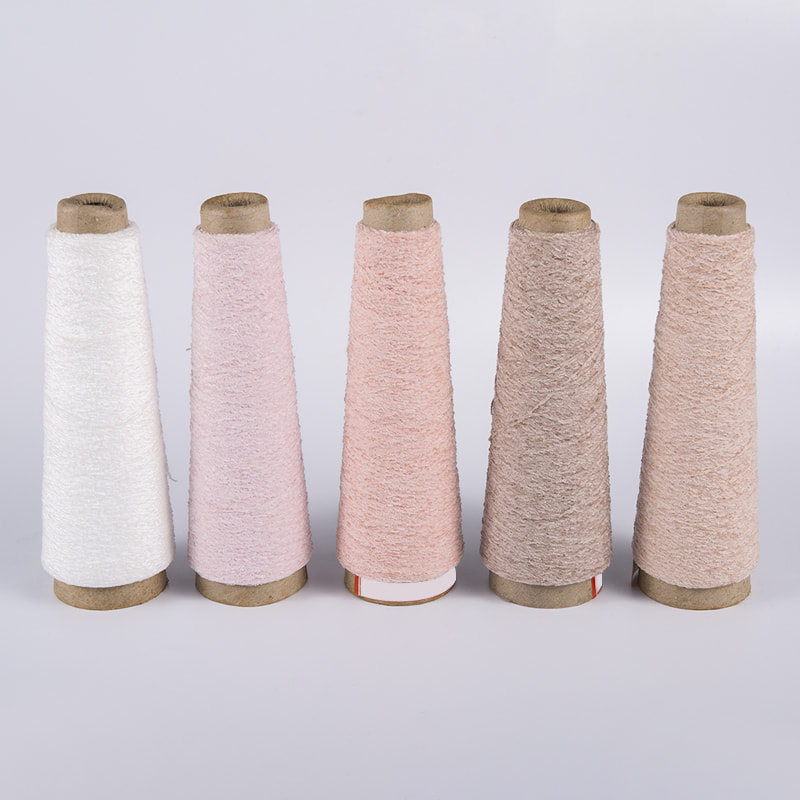
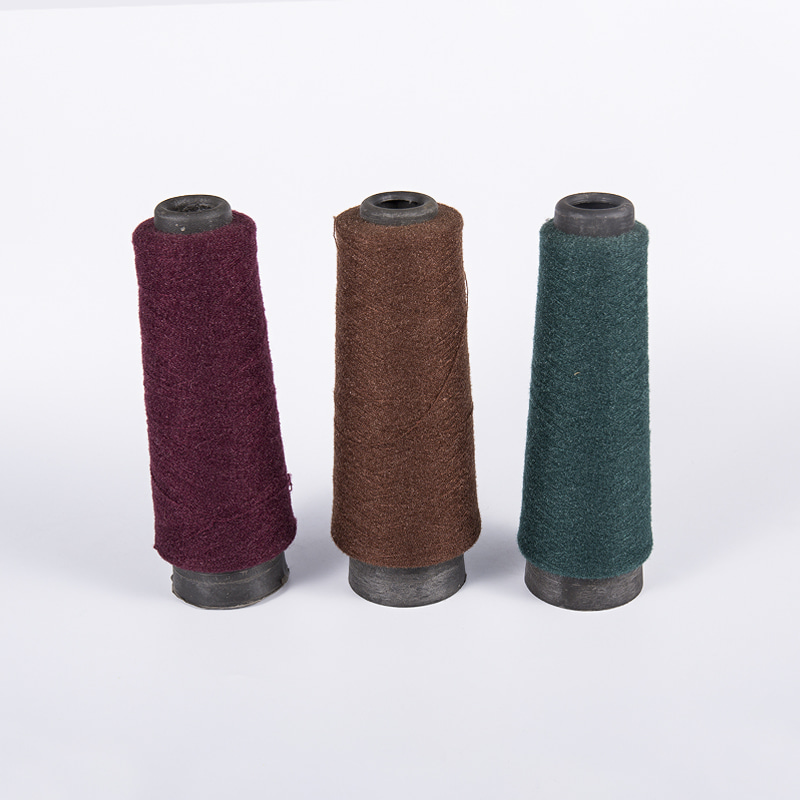
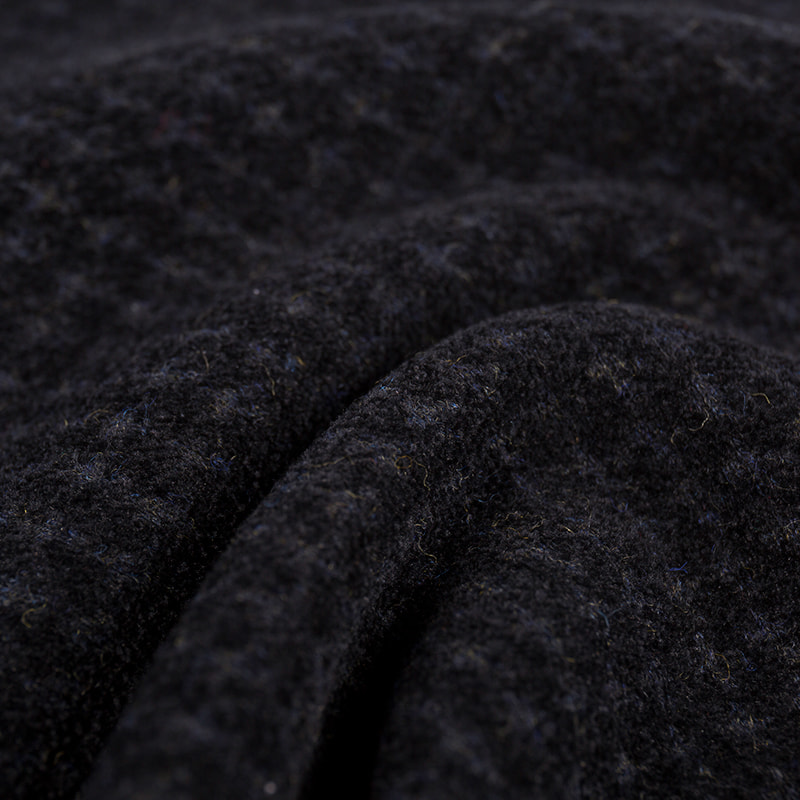
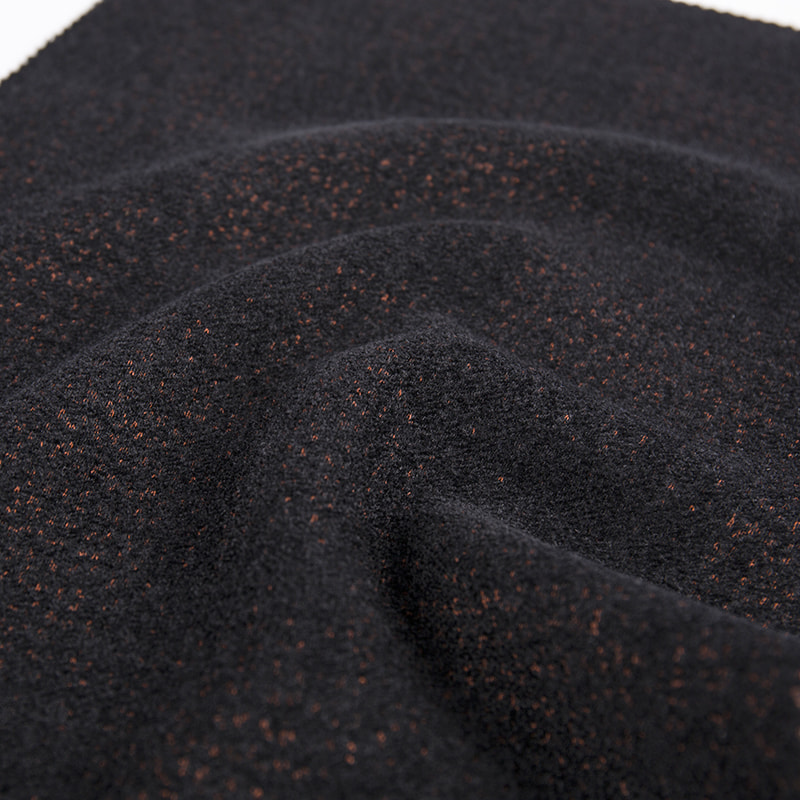
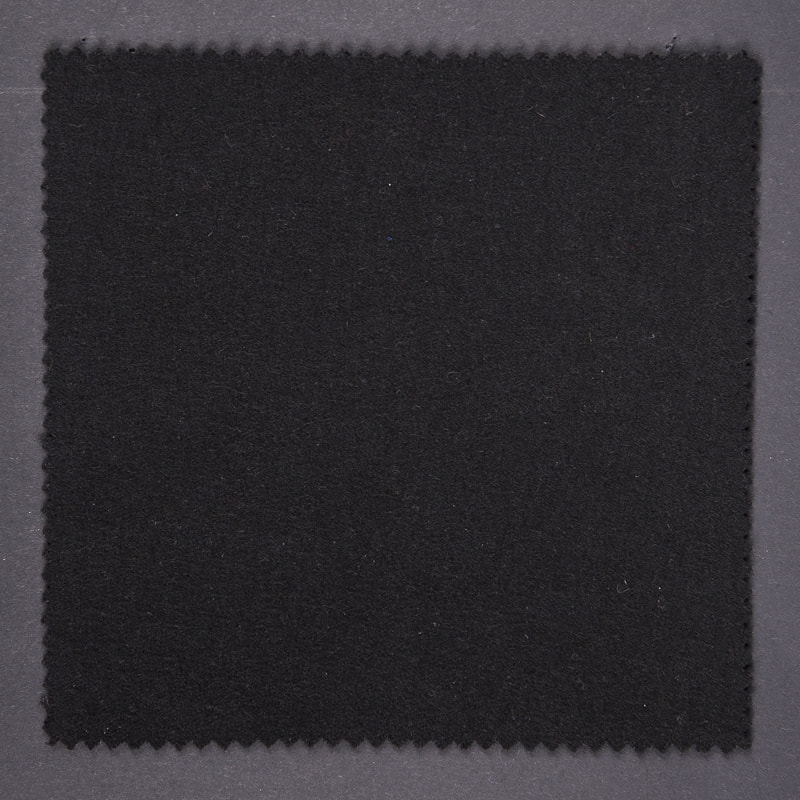
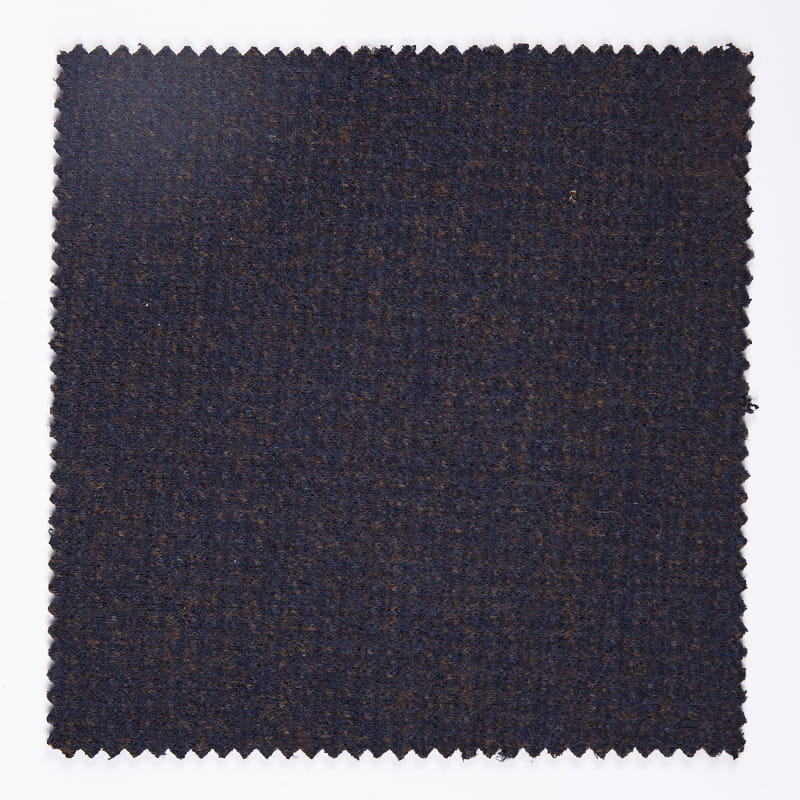
Outline detailed fabric specifications such as knit type, yarn composition, fabric weight, stretch, and durability. The factory should be capable of producing various fabrics, including rib fabrics, chenille, corduroy, wool, and jacquard fabrics. Matching your technical requirements with the factory’s capabilities ensures uniform quality and reduces potential production issues.
Assess the factory’s machine types, production volume, and flexibility. Factories with multiple lines for different yarns and fabrics can manage simultaneous orders efficiently. Suzhou Aodejia Textile Technology Co., Ltd. can produce chenille, velvet, feather yarn, and a wide range of woven fabrics, demonstrating versatile production capabilities.
Quality assurance is essential for large-scale fabric production. Factories should follow internationally recognized textile standards and conduct rigorous testing for colorfastness, tensile strength, pilling, and dimensional stability. Traceable quality records further ensure consistent production outcomes.
According to the latest report by Textile Exchange (2024-2025), factories adopting eco-friendly processes and traceable fibers reduce environmental impact and comply with global import standards. Choosing a factory with sustainable production practices, such as Suzhou Aodejia’s use of high-quality natural yarns and green production techniques, supports both environmental responsibility and technical reliability.
| Factor | High Cost, High Quality | Medium Cost, Balanced | Low Cost, Lower Quality |
| Production Speed | Medium | Fast | Fastest |
| Material Consistency | Excellent | Good | Poor |
| Order Reliability | High | Moderate | Uncertain |
Evaluate whether the factory provides OEM/ODM support for custom yarn blends, fabric constructions, or design adjustments. Factories with flexible prototyping and development capabilities, like Suzhou Aodejia, can adapt to specialized requirements without compromising efficiency.
Related Products

© 2024 Suzhou Aodejia Textile Technology Co., Ltd. All Rights Reserved.





 English
 Español