2026-01-21
Content
In the world of apparel textiles, fleece stands out as a cornerstone material for comfort, warmth, and versatility. However, not all fleece is created equal. A significant distinction lies between the popular single-sided fleece and its more advanced counterpart, double face fleece fabric. Understanding the differences between these two constructions is crucial for designers, manufacturers, and informed consumers alike. This article delves into a comprehensive comparison, exploring their unique properties, ideal applications, and how the choice between them impacts the final garment's performance, feel, and functionality.
Before diving into comparisons, it's essential to understand the fundamental construction of each fabric type. The manufacturing process directly dictates their physical characteristics and end-use capabilities.
Single-sided fleece, as the name implies, has a distinct "right" and "wrong" side. It is typically produced through a knitting process that creates loops on one side of the fabric. These loops are then precisely sheared or brushed to create the soft, fuzzy pile surface we associate with classic fleece. The other side remains a relatively flat, smooth, or subtly textured knit. This structure inherently creates a fabric with two different tactile experiences and functional profiles. The brushed side provides insulation and softness, while the flat back offers a cleaner appearance and can be easier to print on or layer against other materials.
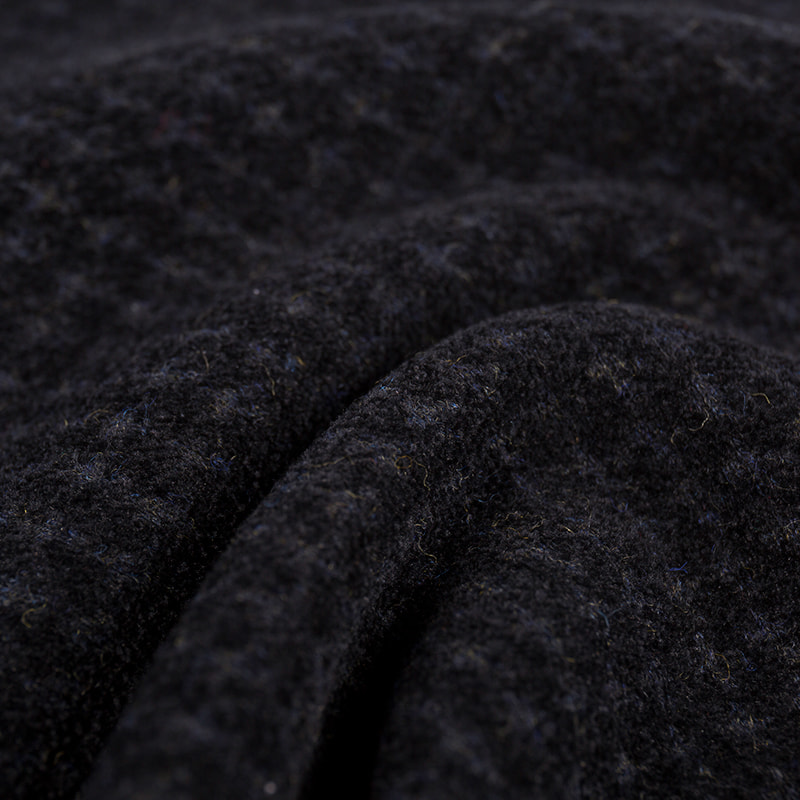
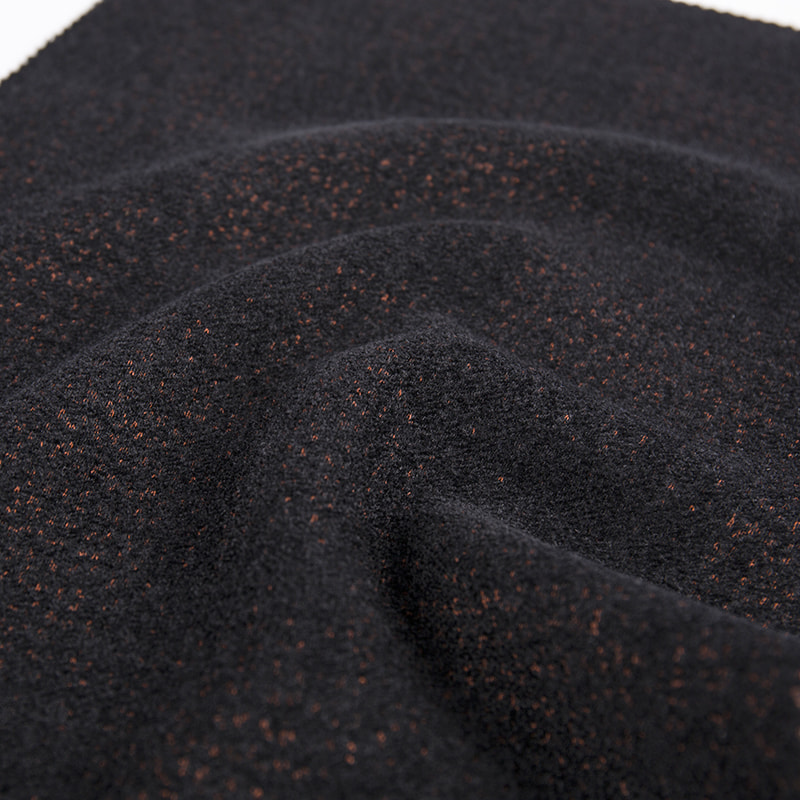
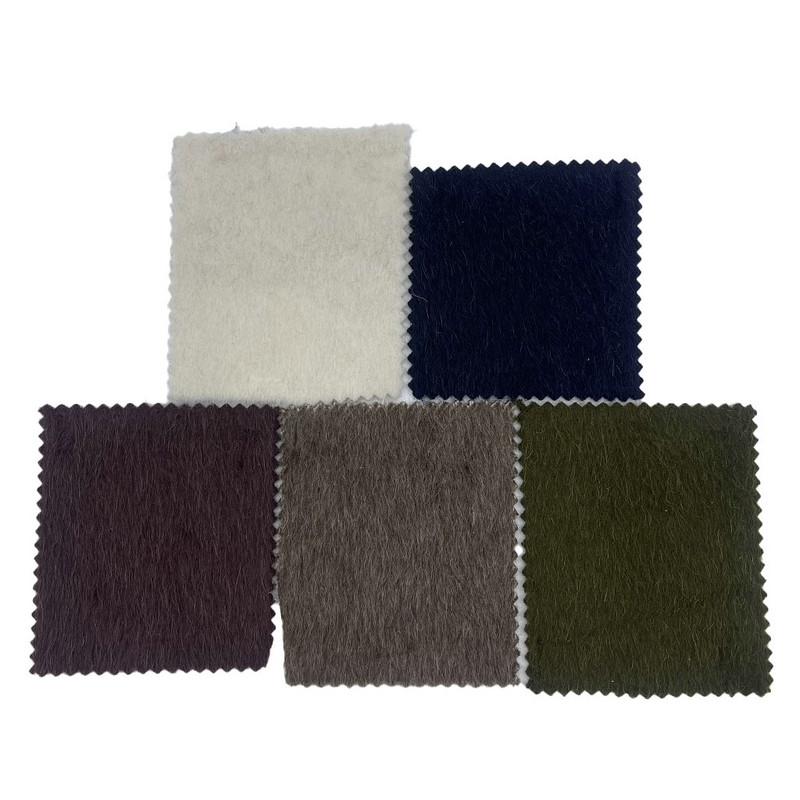
Double face fleece fabric represents a more sophisticated construction. It is engineered to have two plush, brushed surfaces, effectively creating a fabric with a "face" on both sides. This is often achieved through advanced knitting techniques or by laminating two single-layer fabrics back-to-back, with a middle layer sometimes incorporated for added loft. The result is a fabric that is uniformly fuzzy and insulating throughout its entire cross-section. The absence of a "wrong side" is its defining feature, opening up unique design and functional possibilities. For instance, exploring the best sewing techniques for double face polar fleece becomes essential, as seams and finishes need to be considered for both visible sides.
When selecting a fabric, performance metrics are paramount. Here, we break down how single-sided and double-faced fleece compare across key attributes crucial for clothing.
Warmth is often the primary reason for choosing fleece. The insulation provided by these fabrics is a function of their ability to trap air within their fiber matrix.
Single-sided fleece provides excellent warmth by trapping air within its brushed pile. However, its insulating capacity is primarily directional; the flat back side offers less loft and can feel cooler to the touch if worn against the skin. It excels as a mid-layer where its brushed side faces the body, and its smooth side faces an outer shell.
In contrast, double face fleece fabric offers superior and more balanced insulation. The continuous layer of brushed fibers on both sides creates a denser, more uniform air pocket throughout the entire thickness of the fabric. This makes it significantly warmer for its weight compared to single-sided fleece. It provides all-around warmth, making it an exceptional choice for garments where both sides may be exposed to cooler air or where maximum heat retention is desired without excessive bulk. This quality makes it ideal for winter baby clothing made with double face fleece, where consistent, enveloping warmth and a gentle feel on delicate skin are non-negotiable requirements.
| Feature | Single-Sided Fleece | Double Face Fleece |
|---|---|---|
| Insulation Principle | Directional; warmth concentrated on brushed side. | Omni-directional; uniform warmth throughout. |
| Air Trapping Efficiency | Good on one side, moderate on the other. | Excellent on both sides, creating a more stable thermal layer. |
| Best For | Layered systems, mid-layers, where one side needs a slick surface. | Standalone warmth, garments where both sides are visible or feel matters, extreme cold applications. |
| Weight-to-Warmth Ratio | Very Good | Excellent |
The physical hand and behavior of a fabric on the body are critical for design and comfort. This is an area where the two fleece types diverge significantly.
Single-sided fleece tends to be lighter in weight for a given thickness and often has a more fluid drape. Its smooth back allows it to slide easily over other layers, making it a favorite for activewear like zip-up jackets, vests, and performance hoodies. Its versatility is broad, lending itself well to everything from casual wear to technical gear. Designers appreciate the flexibility of having two distinct sides for functional and aesthetic purposes.
Double face fleece fabric is inherently heavier and denser. This weight contributes to its substantial hand and structured drape. It tends to hold its shape more rigidly, which can be advantageous for creating structured jackets, cozy blankets, or high-end loungewear that doesn't cling. However, its thickness can pose challenges for intricate sewing. This is why understanding the best sewing techniques for double face polar fleeece—such as using a walking foot, wider seam allowances, and specific stitch types—is vital for achieving professional results without fabric distortion. Its versatility shines in different areas: it is the perfect candidate for reversible jackets with double face fleece, offering two looks in one garment, and is increasingly popular for double face fleece lined pants for hiking, where its all-around softness and warmth prevent chafing and add comfort during low-movement, cold-weather activities.
Investing in quality clothing means considering how the fabric will hold up over time and through repeated washing.
Single-sided fleece is generally durable, but its brushed side is susceptible to pilling over time, especially in high-friction areas like underarms. The flat back is more resistant to this wear. It is typically easy to care for, machine washable, and dries quickly. However, its performance can degrade if the brushing is compromised.
Double face fleece fabric often exhibits greater durability against pilling on its surfaces because the brushing is usually denser and more integrated into the fabric structure. The bonded or knitted construction can also make it more resistant to stretching out of shape. However, its care requires more attention. Due to its density, it can take longer to dry, and improper washing can sometimes lead to separation if it's a laminated type. Following specific care instructions is key to maintaining its plushness and integrity over many uses. This durability and plush consistency are key reasons it's sought after for winter baby clothing made with double face fleece, which must withstand frequent washing while remaining soft and non-irritating.
The choice between single-sided and double-faced fleece is ultimately dictated by the intended use of the garment. Each has its own domain where it performs optimally.
Single-sided fleece is the workhorse of casual and technical apparel. Its design makes it suitable for scenarios where distinct interior and exterior functions are needed.
Double face fleece fabric is chosen for applications where its unique two-sided luxury and enhanced performance are paramount. It moves beyond basic layering into the realm of featured, standalone garments.
Furthermore, the quest for eco-friendly double face fleece options is growing within this segment. Manufacturers are responding by producing versions made from recycled polyester (rPET) or bio-based fibers, catering to consumers who want the premium benefits of double face fleece while minimizing environmental impact. These sustainable variants maintain the warmth and softness but address concerns about microplastics and resource use.
Selecting between single-sided and double-faced fleece is not about which is universally better, but about which is better for a specific purpose. The decision matrix involves weighing factors like intended activity, climate, desired garment style, and care preferences.
For dynamic, layered systems where moisture management and lightweight warmth are key, single-sided fleece remains the champion. Its technical heritage and versatility are undeniable. Conversely, when the priority shifts to maximum standalone warmth, a luxurious double-sided feel, reversible design potential, or supreme comfort for sensitive users, double face fleeece fabric is the unequivocal choice. Its applications in specialized gear, such as double face fleece lined pants for hiking or winter baby clothing made with double face fleece, highlight its functional superiority in niche areas.
As innovation continues, the lines may blur with new hybrid fabrics, but the core distinction will remain. By understanding the inherent properties, from the necessity of specialized best sewing techniques for double face polar fleece to the appealing innovation of reversible jackets with double face fleece and the responsible development of eco-friendly double face fleece options, one can make a perfectly informed decision, ensuring the chosen fabric delivers precisely on its promise of comfort, performance, and style.
Related Products

© 2024 Suzhou Aodejia Textile Technology Co., Ltd. All Rights Reserved.





 English
 Español