2026-03-12
Content
White chunky chenille yarn has become a staple material for crafters and manufacturers seeking soft, luxurious textures in blankets, apparel, and home textiles. This guide provides technical insights into selecting the optimal yarn specifications for different applications, with practical advice for bulk procurement and quality assessment.
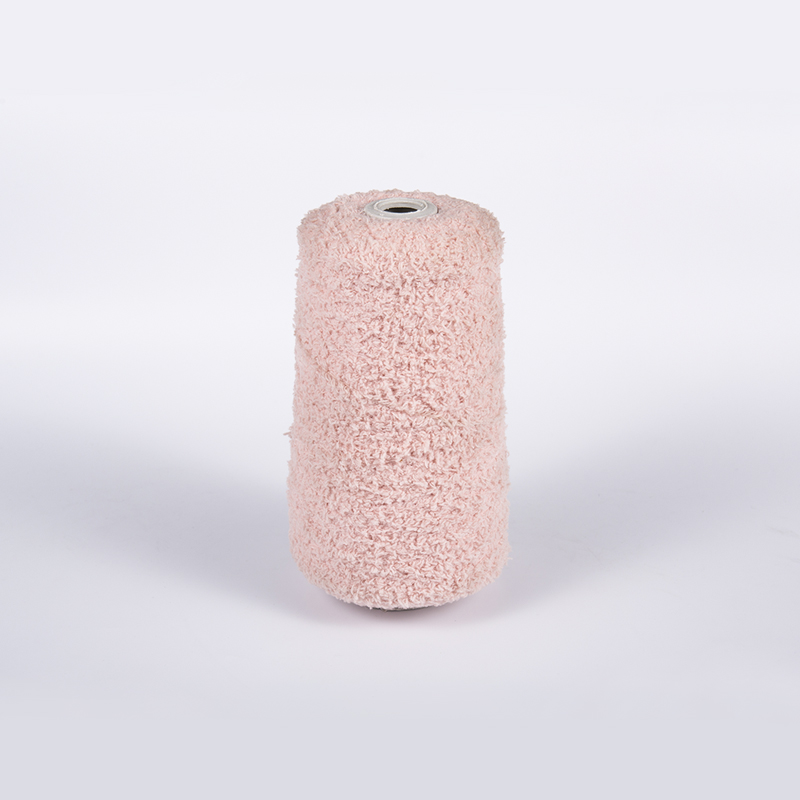
Chenille yarn derives its name from the French word for "caterpillar," describing its fuzzy, piled surface texture. The manufacturing process involves placing short lengths of yarn (called pile) between two core yarns and then twisting them together. The pile stands at right angles to the core, creating the characteristic velvety surface.
White chunky chenille yarn specifically refers to yarns with a heavier weight classification (typically categories 5-7) in undyed or bleached white tones. The color white dominates commercial applications for three reasons:
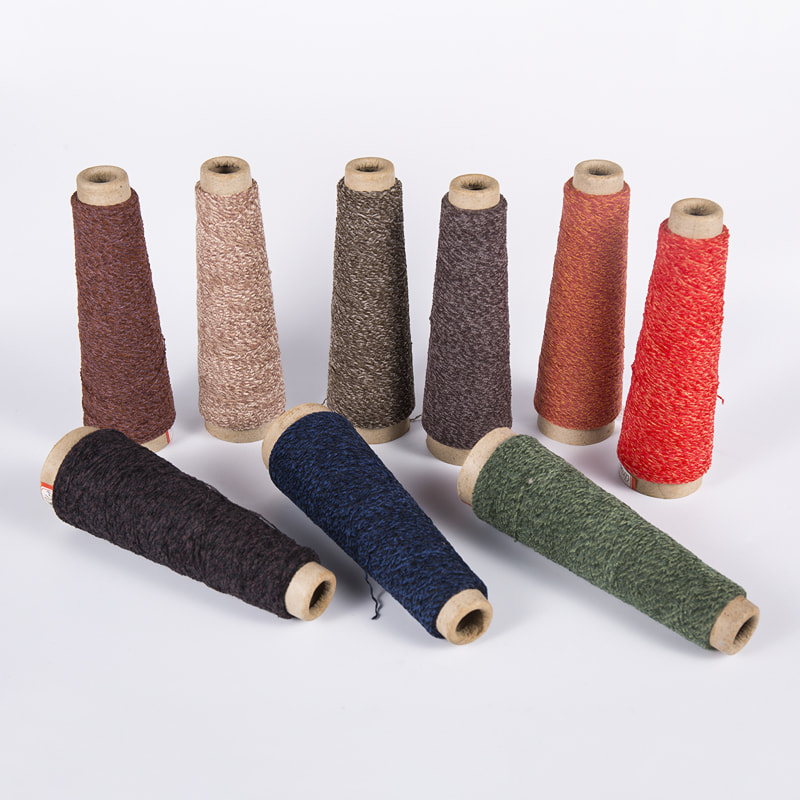
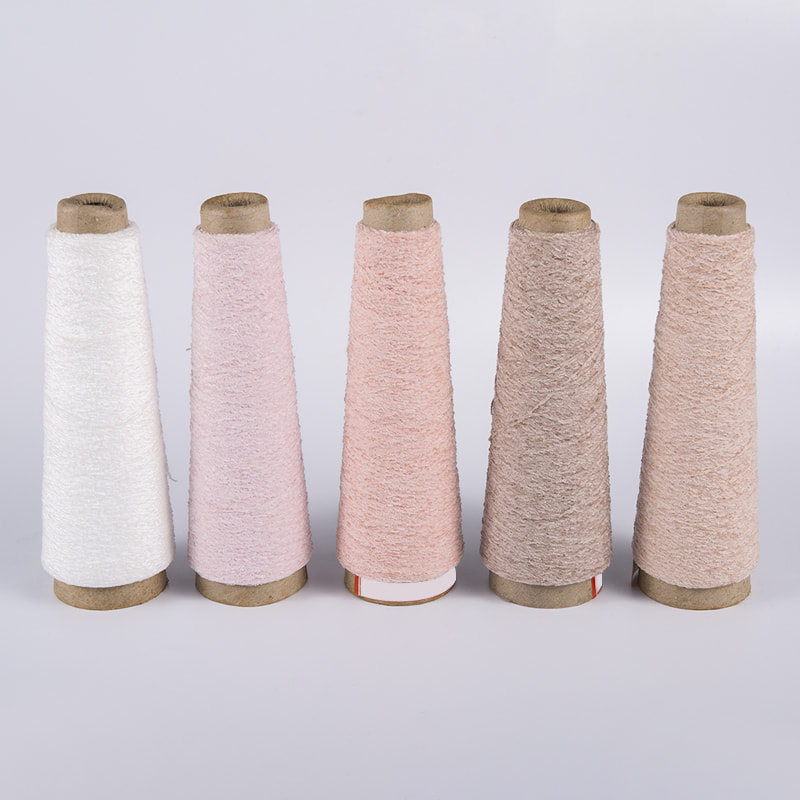
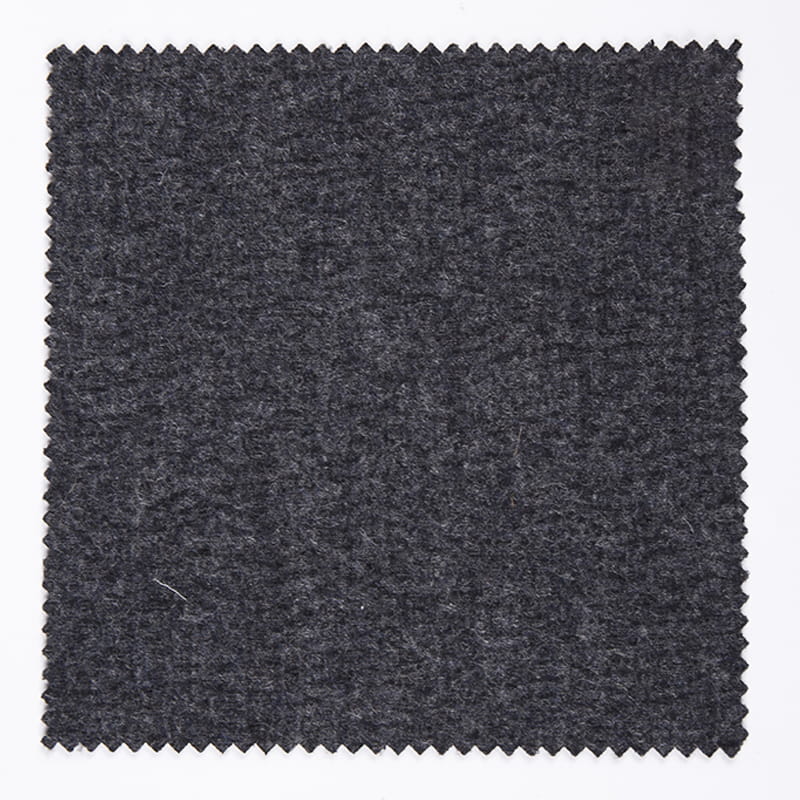
Suzhou Aodejia Textile Technology Co., Ltd. operates as a professional spinning and fabric factory with over 20 years of industry experience. The company functions as a dyed yarn supplier and custom dyed yarn manufacturer, integrating research and development, production, and sales. Their production lines specialize in fancy yarns including chenille, velvet, and feather yarn, alongside fabric weaving capabilities for rib fabrics, corduroy, chenille fabrics, wool fabrics, jacquard fabrics, and plain or twill fabrics.
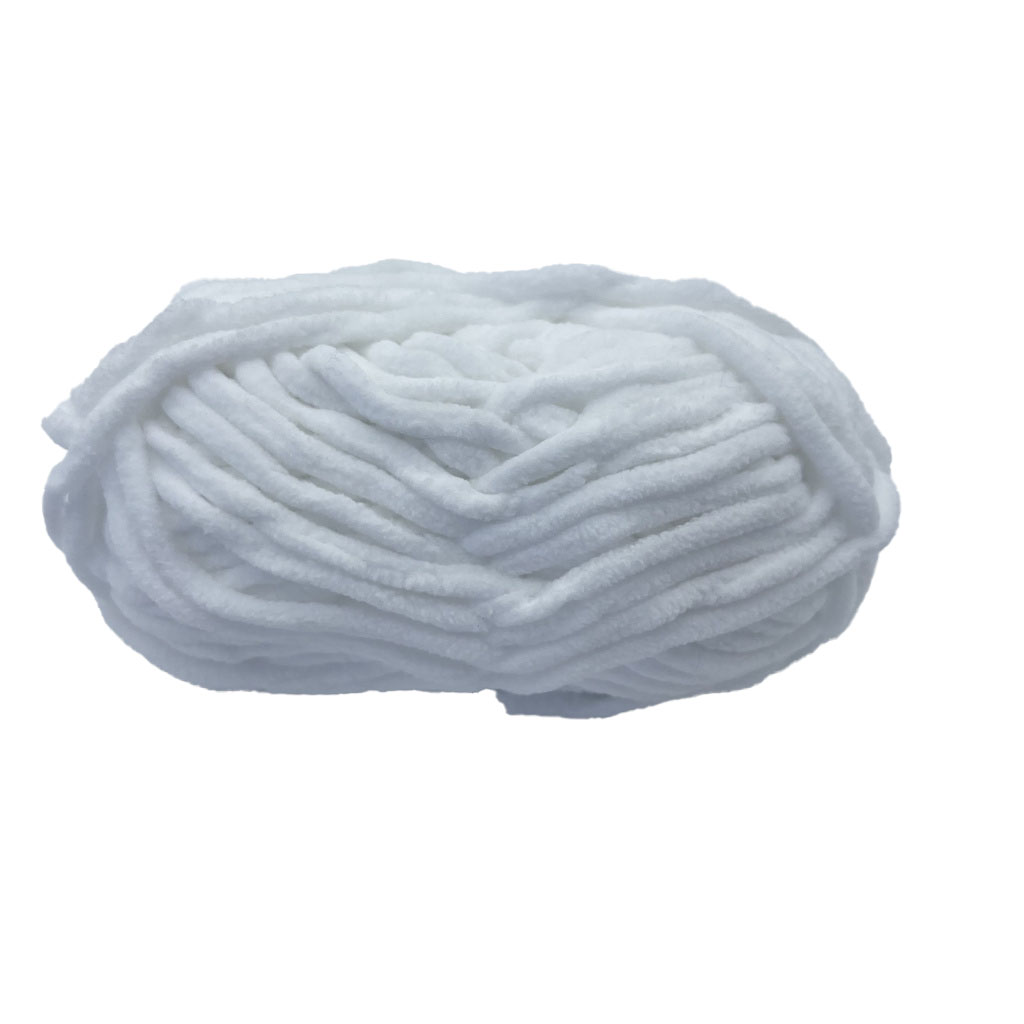
Blanket manufacturing imposes specific requirements on yarn selection. The material must balance structural integrity with tactile softness.
Key technical considerations include:
Comparison of blanket-grade specifications:
| Specification | Standard Grade | Premium Grade |
| Yarn Weight | Category 5 (Bulky) | Category 6 (Super Bulky) |
| Pile Height | 3-4mm | 5-6mm |
| Tensile Strength | 15-20 N | 25-30 N |
| Recommended Hook Size | 8mm | 10-12mm |
| Stitch Visibility | Moderate | High |
For commercial blanket production, Category 6 yarn provides optimal coverage speed while maintaining structural stability. The white chunky chenille yarn for crochet blanket applications particularly benefit from consistent dye lots to prevent color banding in large projects.
Industrial buyers and wholesale distributors require cost-effective sourcing strategies. The 100-yard put-up (standard hank length) represents a middle-ground configuration balancing handling efficiency with production flexibility.
Economic factors in bulk purchasing include:
Comparison of procurement formats:
| Format | 100-Yard Hank | 500-Yard Cone |
| Primary Use | Hand crafting retail | Industrial machine knitting |
| Storage Efficiency | Moderate | High |
| Price Per Yard | Higher (processing costs) | Lower (volume efficiency) |
| Setup Time | Frequent changes | Continuous production |
| Target Buyer | Small businesses, hobby stores | Manufacturers, large distributors |
Aodejia's multiple production lines enable simultaneous manufacturing of various yarn types, supporting diverse fabric production requirements. This vertical integration allows the factory to offer soft white chenille yarn bulk 100 yards configurations with consistent quality across large orders.
End-use durability significantly impacts yarn selection for consumer goods. Machine washability requires specific fiber engineering to prevent pile matting and color degradation.
Technical requirements for washable chenille include:
Performance comparison after 25 wash cycles:
| Property | Standard Chenille | Machine-Washable Grade |
| Pile Retention | 60-70% | 85-90% |
| Color Fastness (Grey Scale) | Grade 3 | Grade 4-5 |
| Dimensional Stability | ±8% shrinkage | ±3% shrinkage |
| Surface Pilling | Moderate to heavy | Minimal |
| Softness Retention | Decreased | Maintained |
The white chunky chenille yarn machine washable specification requires additional finishing processes, including heat-setting and silicone softening treatments. These processes increase unit cost by 15-20% but extend product lifespan significantly.
Baby products demand the strictest material safety standards. The distinction between pure white and ivory white affects both aesthetic outcomes and chemical processing requirements.
Safety specifications for infant-grade chenille:
Color variant comparison:
| Attribute | Pure White | Ivory White |
| Dye Process | Optical brighteners | Natural pigment blends |
| Chemical Sensitivity | Higher (brightener chemicals) | Lower (minimal processing) |
| Visual Warmth | Cool, clinical | Warm, natural |
| Stain Visibility | High | Moderate |
| Market Preference | Modern designs | Traditional nursery themes |
Ivory white chenille yarn for baby blanket production typically bypasses optical brighteners, reducing potential skin irritation risks. The subtle cream tone also masks minor soiling better than pure white alternatives.
Jumbo 7 weight classification represents the heaviest standard yarn category, requiring specialized handling equipment and techniques.
Technical characteristics of Jumbo 7 chenille:
Comparison with standard chunky weights:
| Parameter | Category 5 (Chunky) | Category 7 (Jumbo) |
| Yarn Diameter | 5-6mm | 8-12mm |
| Meters per Kilogram | 400-500m | 150-250m |
| Project Completion Time | Standard | 60% faster |
| Tool Requirements | Standard large hooks | Specialized jumbo hooks |
| Structural Rigidity | Flexible drape | Self-supporting structure |
The white chenille yarn jumbo 7 weight specification suits architectural textile applications, oversized statement blankets, and rapid-production inventory for retail. The extreme bulk creates distinctive textural landscapes impossible to achieve with lighter weights.
Before committing to large orders, implement these verification steps:
Aodejia accepts OEM and ODM orders, leveraging multiple production lines to accommodate specialized requirements. Customization options include:
White chenille yarns may develop yellowing due to UV exposure, oxidation, or contact with alkaline substances. Machine-washable grades with UV stabilizers resist yellowing significantly better than standard grades. Storage in opaque containers away from direct sunlight extends color stability.
Yes, the thick diameter and high visibility of stitches make chunky chenille forgiving for beginners. However, the pile texture can obscure stitch definition, requiring careful attention to insertion points. Solid color white chunky chenille yarn provides maximum stitch visibility for learning purposes.
Factory-direct custom dyed yarn manufacturing typically requires 500kg minimums per colorway for economic viability. Sample orders of 10-25kg allow quality verification before committing to production volumes.
Higher pile density traps more air pockets, increasing thermal insulation. However, excessive density reduces breathability and increases weight. The optimal balance for all-season blankets uses medium pile density (400-500 fibers per square centimeter) with soft white chenille yarn bulk 100 yards configurations.
Jumbo 7 weight creates rigid fabric structures unsuitable for fitted apparel. The material suits oversized cardigans, ponchos, and accessories where drape is less critical. For fitted applications, Category 5 chunky weights provide adequate structure with better conformability.
Selecting appropriate white chunky chenille yarn requires matching technical specifications to end-use requirements. Whether sourcing white chunky chenille yarn for crochet blanket production, soft white chenille yarn bulk 100 yards for retail distribution, or specialized white chunky chenille yarn machine washable grades for consumer goods, understanding pile engineering and core construction ensures optimal outcomes. For infant applications, ivory white chenille yarn for baby blanket provides safety-compliant warmth, while white chenille yarn jumbo 7 weight addresses rapid-production needs for oversized textiles.
Suzhou Aodejia Textile Technology Co., Ltd. maintains production capacity across these specifications, supporting both standard and customized requirements through integrated spinning and weaving operations.
Related Products

© 2024 Suzhou Aodejia Textile Technology Co., Ltd. All Rights Reserved.





 English
 Español