2026-11-09
Content
Jacquard chenille fabric is one of the most expressive materials in modern knitwear, combining the plush touch of chenille with the pattern flexibility of jacquard knitting. Yet at high machine speeds, even a small deviation in yarn tension can turn a carefully designed pattern into a stream of defects. Understanding why jacquard chenille fabric requires specialized tension control during high-speed knitting is the first step toward reliable, cost-efficient production.
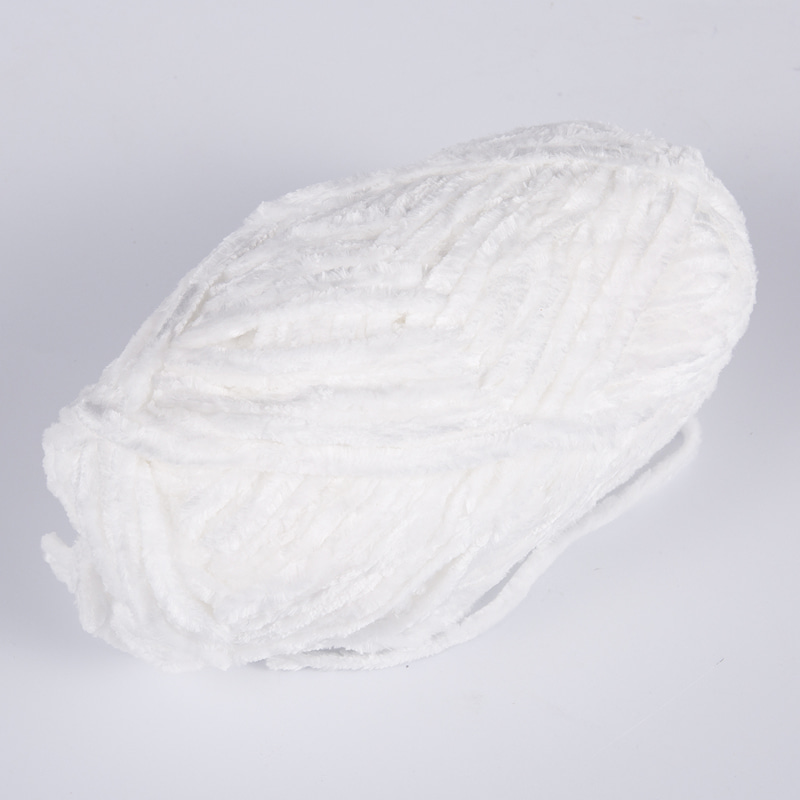
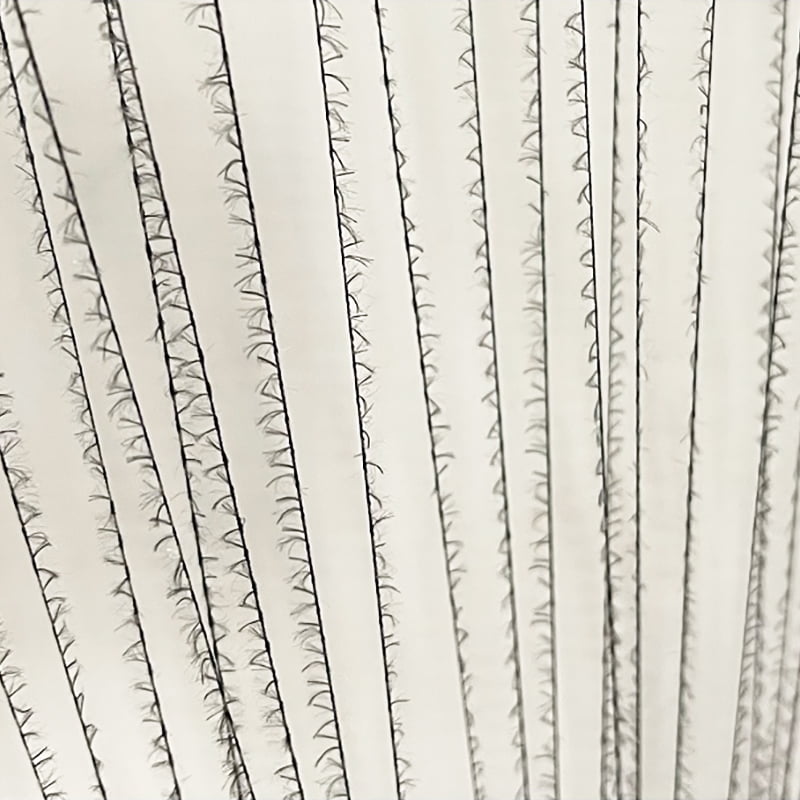
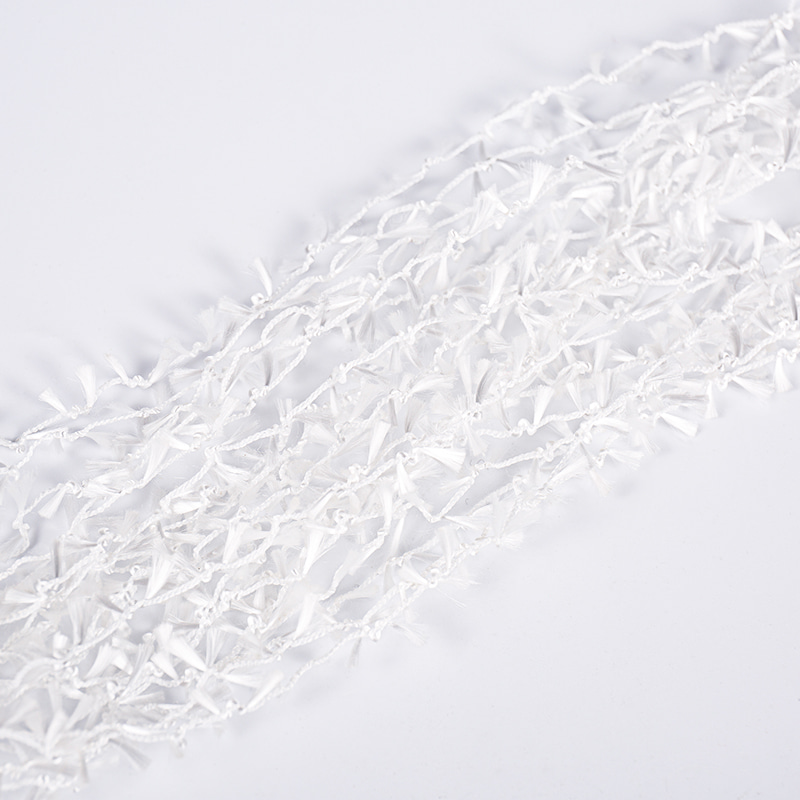
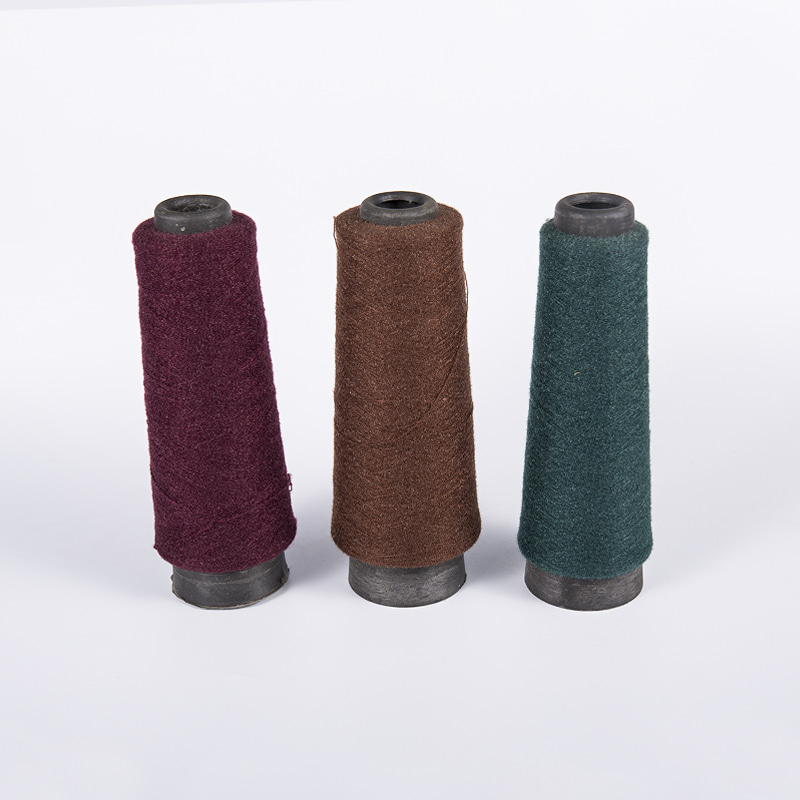
Chenille yarn is not an ordinary smooth yarn. It is formed from two or more core strands twisted together while short pile fibers are trapped between them. The pile is then cut on both sides, creating the soft, brush-like surface that gives the fabric its velvet character. Because the pile fibers are held only by the gripping force of the twisted core, they remain vulnerable throughout the knitting process. Any tension that pulls the core strands apart, or that drags the pile in different directions, can loosen the yarn structure before the stitch is formed.
The jacquard mechanism intensifies the challenge. Needles are selected individually according to the pattern, so each stitch can consume a different amount of yarn. A plain fabric draws yarn at a steady rate, but a jacquard structure with floats, tucks, and pattern transitions demands constant variation. When a fragile chenille yarn meets this variable demand, standard tension settings are no longer sufficient.
The key takeaway is simple: jacquard chenille fabric demands a dedicated tension strategy that accounts for both the fragile pile structure and the unpredictable yarn consumption of pattern knitting.
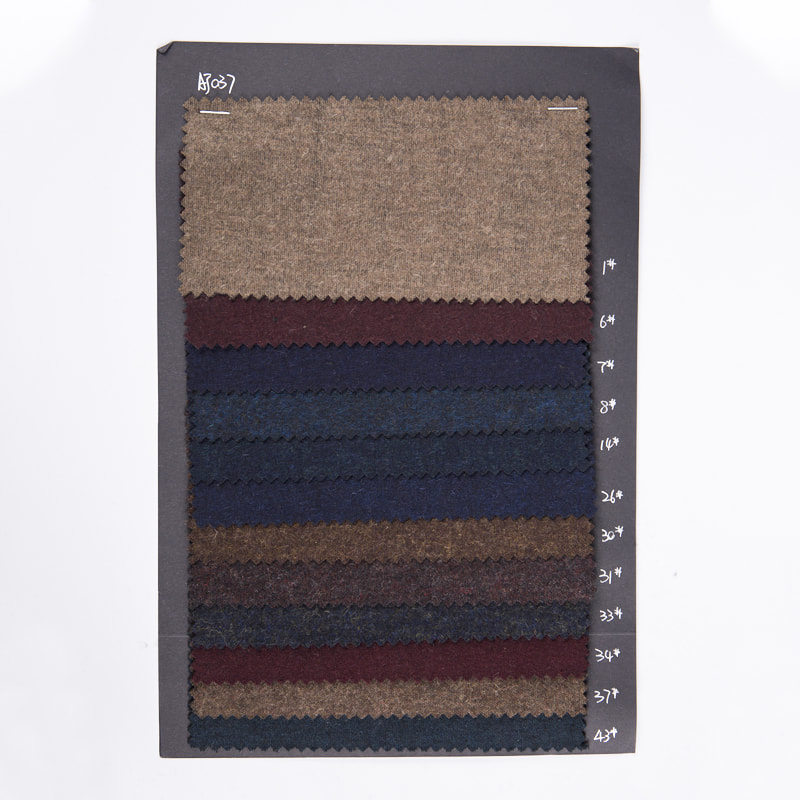
 Polyester Cotton Plaid Knitted Chenille Jacquard Winter Fabric for GarmentsThis jacquard chenille fabric blends polyester and cotton for wrinkle resistance and breathability. Its plaid pattern and knitted structure suit winter garments, making it relevant to discussions on managing tension during pattern knitting.View Product →
When tension is not properly controlled, defects appear quickly and repeat consistently across the fabric width.
| Tension Condition | Typical Defect | End-Use Impact |
|---|---|---|
| Excessive tension | Pile pulled out, exposed core, thin streaks | Bald lines, weak abrasion resistance, uneven shading |
| Insufficient tension | Loose stitches, wavy selvedge, slack loops | Distorted pattern, poor dimensional stability |
| Fluctuating tension | Stop lines, needle breakage, yarn breaks | Production downtime, rejected rolls, higher cost |
| Pattern-related spikes | Missed jacquard transitions, blurred motifs | Unclear pattern, off-brand appearance |
Each of these symptoms points to the same root cause: the chenille yarn cannot tolerate uncontrolled force. The pile is a cut surface, not a twisted structure, so once it is displaced or pulled out, the fabric cannot recover.
Speed changes the rules of tension management. At higher machine speeds, the time available for the yarn to settle between stitch-forming events shrinks dramatically. Yarn guides and feeders move faster, and the inertia of the yarn package becomes more aggressive. When a needle demands yarn instantly, the yarn must respond without hesitation.
Chenille yarn is particularly affected because its cut pile creates more air resistance than a smooth filament or spun yarn. High-speed feeding generates flutter along the yarn path, and flutter translates directly into irregular tension at the needle. In addition, chenille has limited elasticity. The core strands can stretch slightly, but the pile fibers do not recover. A sudden tension spike that would be absorbed by an elastic textured yarn becomes a permanent deformation in chenille.
Specialized tension control means monitoring every zone where the yarn changes speed or direction. In practice, four zones matter most.
Positive-feed storage feeders are often the cleanest solution for chenille. They deliver a measured amount of yarn per stitch and decouple the machine demand from the unpredictable condition of the yarn package, helping to keep tension constant even during complex jacquard patterns.
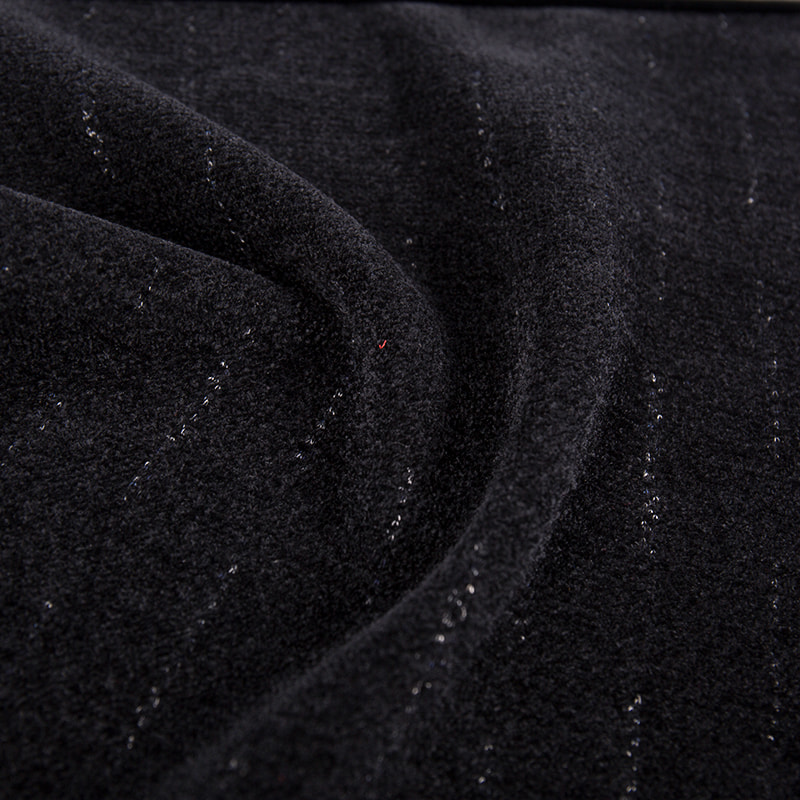
 Polyester Cotton Chenille Velvet Knitted Jacquard Winter Clothing FabricCombining polyester durability with cotton comfort, this chenille velvet fabric offers warmth and breathability. Its jacquard texture and soft suede finish make it suitable for winter clothing, aligning with advice on positive-feed storage feeders for even tension.View Product →
Manufacturers that run jacquard chenille fabric successfully rely on a combination of machine settings, yarn preparation, and process discipline. The following practices form a solid starting point.
Machine parameters do not work in isolation. Knitting density, take-down speed, and tension interact continuously; a closer look at knitting density and clothing comfort shows how these settings influence the final fabric hand and performance.
Producing jacquard chenille fabric is as much about process experience as it is about machinery. A manufacturer that controls both yarn production and fabric knitting can engineer twist, pile density, and lubrication specifically for high-speed jacquard applications. Vertical integration reduces variables and stabilizes tension at the source, rather than relying on corrections after the fabric is already knitted.
Suzhou Aodejia Textile Technology Co., Ltd. operates integrated yarn and fabric production lines with more than 20 years of industry experience. The company supplies chenille yarns, jacquard chenille fabrics, wool-blend knitted fabrics, tweed, and related categories, and accepts OEM/ODM projects. Because the same team manages both yarn preparation and fabric knitting, tension-related defects can be traced back to the yarn structure quickly and corrected before they become production losses.
Buyers who want to evaluate a new supplier can begin with our bulk sourcing guide for jacquard chenille fabric, which outlines the technical and commercial checks that matter during supplier selection.
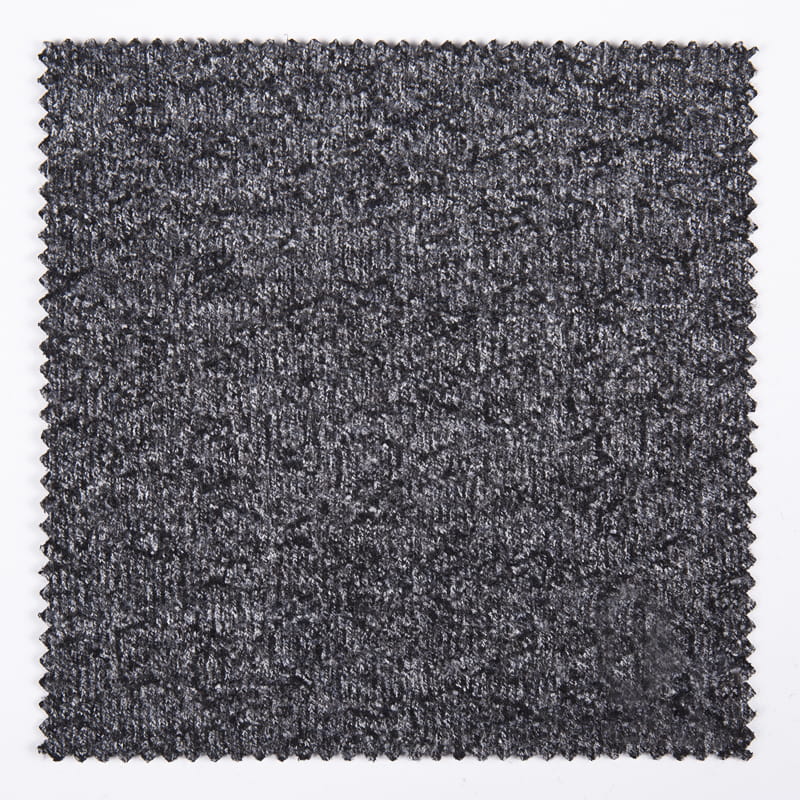
 Brush Crack Jacquard Chenille Fabric for Men's Winter GarmentsA 100% polyester jacquard chenille fabric at 720g/m, featuring a brush crack textured pattern. Its substantial drape and opacity suit cold-weather outerwear, relevant when evaluating suppliers for tension-sensitive chenille production.View Product →
Some machines can, but the results usually improve when the machine is equipped with positive-feed storage feeders, low-friction guides, and independent tension sensors. The jacquard mechanism does not create tension by itself, but the pattern-driven yarn consumption makes tension control much more difficult.
There is no universal number. The ideal setting depends on yarn count, pile length, core twist, machine gauge, and pattern complexity. In general, chenille should be knitted at a lower tension than smooth yarns, but within a much narrower tolerance band to protect the pile.
Yes. Large motifs, long floats, and frequent color changes increase the variation in yarn consumption. Long internal floats can create sudden tension drops, while tight pattern transitions can produce spikes. Pattern engineers and knitting technicians should work together when selecting or designing a pattern.
Look for evidence of in-house yarn production, accessible technical documentation, consistent fabric inspection, and a willingness to discuss machine parameters. A supplier that can clearly explain its tension strategy is far more likely to deliver consistent jacquard chenille fabric.
Jacquard chenille fabric rewards manufacturers who respect its structure. Specialized tension control is not an optional refinement; it is the difference between a fabric that sells consistently and a fabric that fails on the cutting table. By understanding the material, investing in the right feeding technology, and choosing an experienced partner, brands and mills can turn the challenges of high-speed knitting into reliable, high-quality output.
Related Products

© 2024 Suzhou Qizhen Textile Trade Co., Ltd. All Rights Reserved.



 English
 Español