2026-10-08
Content
Few fabric families combine comfort, warmth, and visual depth as successfully as chenille. Yet when a specification calls for upholstery-grade performance, the choice between jacquard chenille and woven chenille is not just about which one looks richer. Construction determines how the fabric behaves under abrasion, how much it weighs, and whether it can survive years of daily seating.
This guide compares jacquard chenille and woven chenille on durability, weight, and upholstery performance, and offers practical selection criteria for furniture makers, interior designers, and apparel brands.
Jacquard chenille fabric is a pattern-rich chenille textile produced on jacquard knitting or weaving equipment. Unlike standard looms, a jacquard mechanism controls each warp yarn independently, which allows the machine to build intricate motifs such as plaids, stripes, houndstooth, florals, or even custom brand logos directly into the cloth. Chenille yarn, with its short pile segments, adds a velvet-like softness that gives the pattern a subtle, premium feel.
Most jacquard chenille fabrics today are knitted rather than woven. A knitted base makes the fabric flexible, comfortable, and easy to tailor, which is why it appears so often in winter jackets, coats, and cardigans. A woven jacquard chenille, by comparison, has a firmer handle and suits upholstery or structured outerwear.
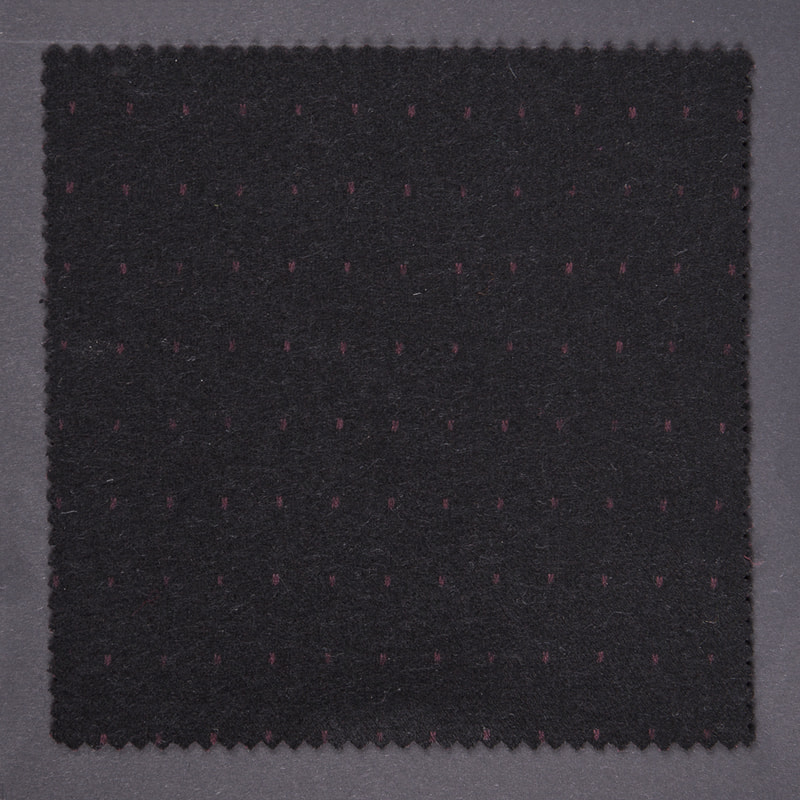
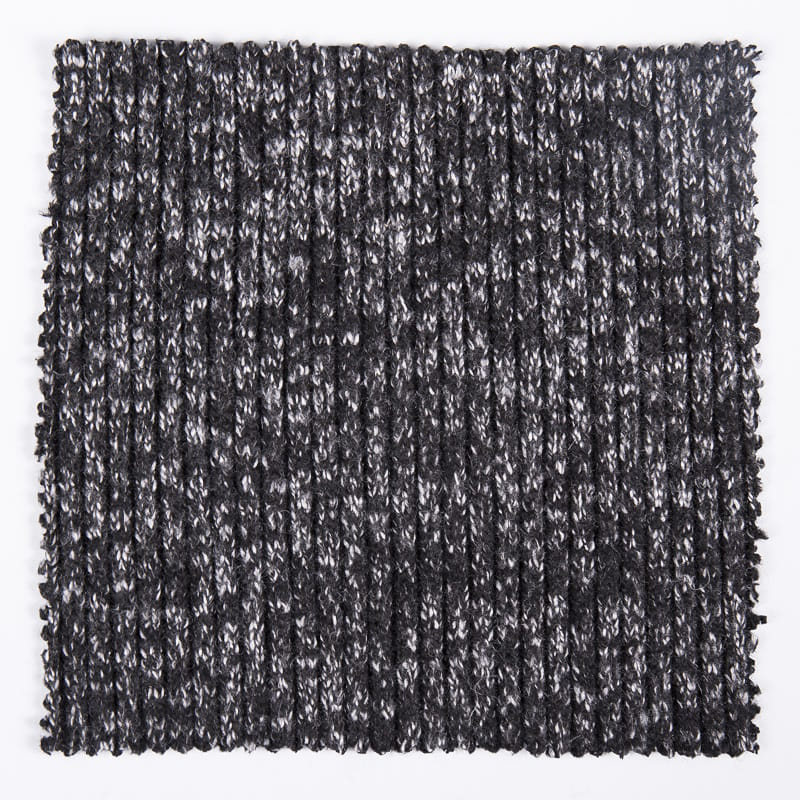
Products such as the polyester-cotton chenille jacquard striped knit winter fabric demonstrate how pattern definition and plush softness can coexist in one cloth for cold-weather apparel.
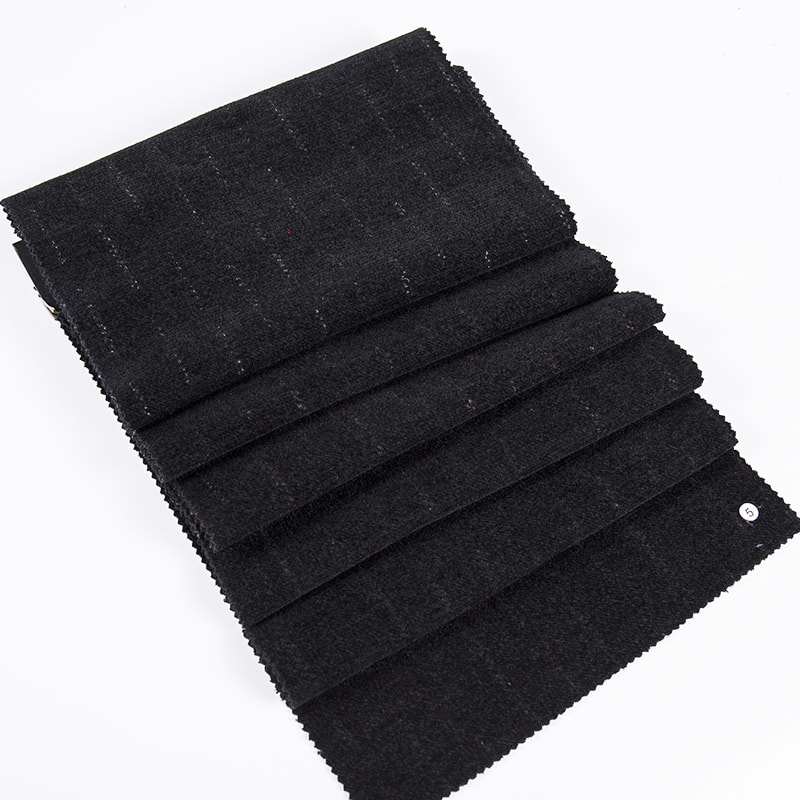 Polyester Cotton Chenille Jacquard Striped Knit Winter FabricThis woven chenille fabric merges soft, skin-friendly cotton with durable polyester, using jacquard stripes for visual depth and enhanced warmth. Its stable construction resists stretching, making it suitable for winter apparel that requires shape retention and comfort.View Product →
Woven chenille fabric is produced on conventional weaving looms using plain, twill, herringbone, or even jacquard constructions, where chenille yarns are interlaced at right angles to form a stable, dense structure. The weaving process locks the pile yarns in place far more tightly than knitting does. The result is a fabric that resists stretching, holds its shape, and delivers higher tear strength.
Woven chenille has been a mainstay of upholstery for decades. Its dense surface tolerates the constant friction of sitting, the pull of a zipper, and the repeated motion of sofa cushions. It also responds well to backcoating, which makes it a preferred base for commercial furniture.
One representative construction is the chenille black-white windowpane tweed fabric, which unites chenille softness with the crisp tailoring expected from a woven tweed.
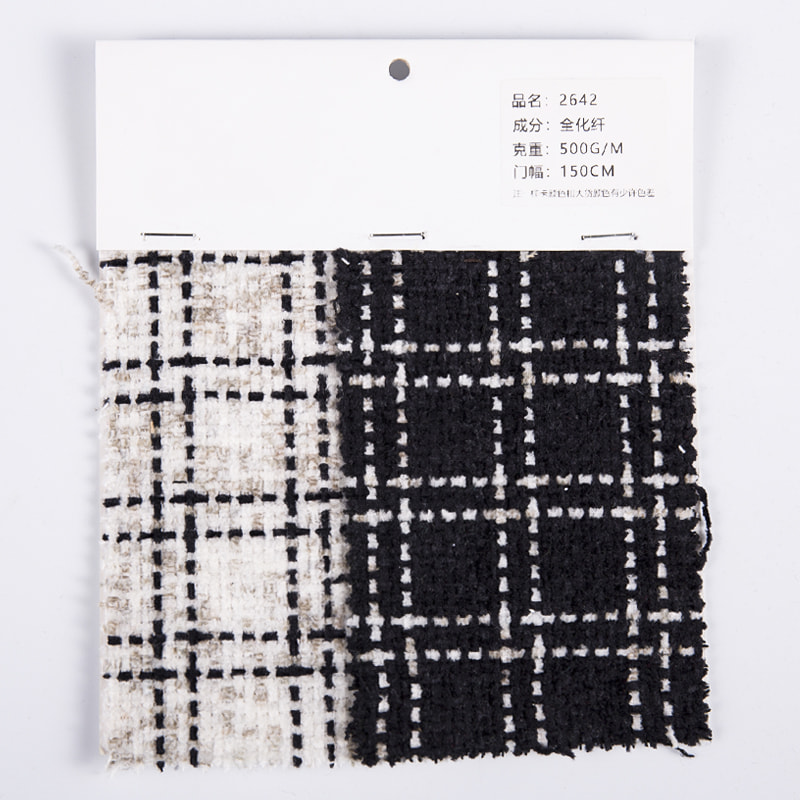 Chenille Black and White Windowpane Tweed FabricCombining chenille softness with crisp tweed texture, this fabric features a unique windowpane pattern inspired by traditional art. Its durable weave resists wrinkles and deformation, making it a stylish choice for tailored clothing and upholstery.View Product →
Long-term durability is the first question most upholstery buyers ask. Woven chenille is generally the safer choice for high-friction applications, but modern jacquard chenille closes much of the gap when engineered properly.
| Property | Jacquard Chenille | Woven Chenille |
|---|---|---|
| Abrasion resistance | Moderate to high | High |
| Pilling tendency | Moderate | Low to moderate |
| Snagging resistance | Good with short floats | Excellent |
| Tear strength | Good | Very good |
| Shape retention | Good | Excellent |
| Typical Martindale result | 15,000-30,000 cycles | 25,000-60,000 cycles |
Several factors drive durability: fiber composition, twist level, yarn count, and weave density. The dense interlacing of woven chenille distributes friction across more yarn intersections, which is why it achieves higher abrasion cycles. Jacquard chenille sometimes carries longer floats on the reverse side, and long floats can snag under heavy use. Specifying a tight backing and short floats minimizes this risk.
Fiber content matters as much as construction. Polyester and nylon improve abrasion resistance, while cotton increases softness but can wear faster. For upholstery, blends with a substantial polyester content, or a polyester face over a cotton backing, deliver a sensible balance.
Rule of thumb: for any seating that will be used daily, choose a woven chenille with a documented Martindale result above 20,000 cycles.
Fabric weight directly affects drape, comfort, and end-use performance. The following ranges reflect typical production values for each category.
| Fabric Type | Weight Range | Common Applications |
|---|---|---|
| Knitted jacquard chenille | 260-380 gsm | Apparel, throws, decorative pillows |
| Woven jacquard chenille | 320-450 gsm | Light upholstery, structured garments |
| Standard woven chenille | 350-600 gsm | Sofas, armchairs, curtains |
| Woven chenille tweed | 400-550 gsm | Upholstery, car seats, tailored jackets |
Under 300 gsm, chenille works best in clothing and blankets. The 300-400 gsm range suits residential upholstery such as accent chairs and headboards. Above 450 gsm, the fabric gains the density needed for heavy-use seating. Between these two extremes, mid-weight constructions cover most apparel and residential upholstery requirements.
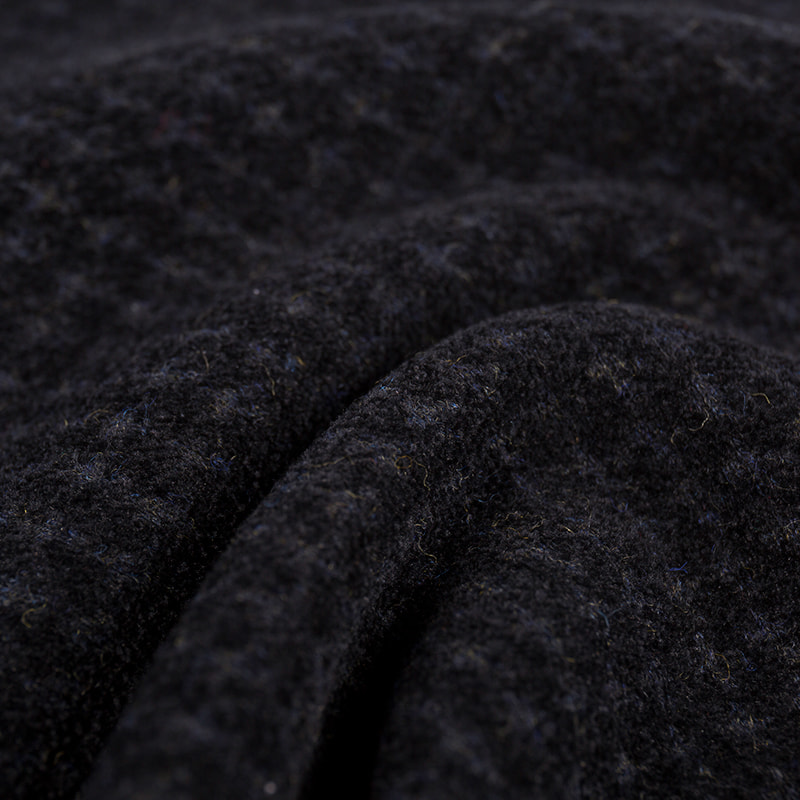
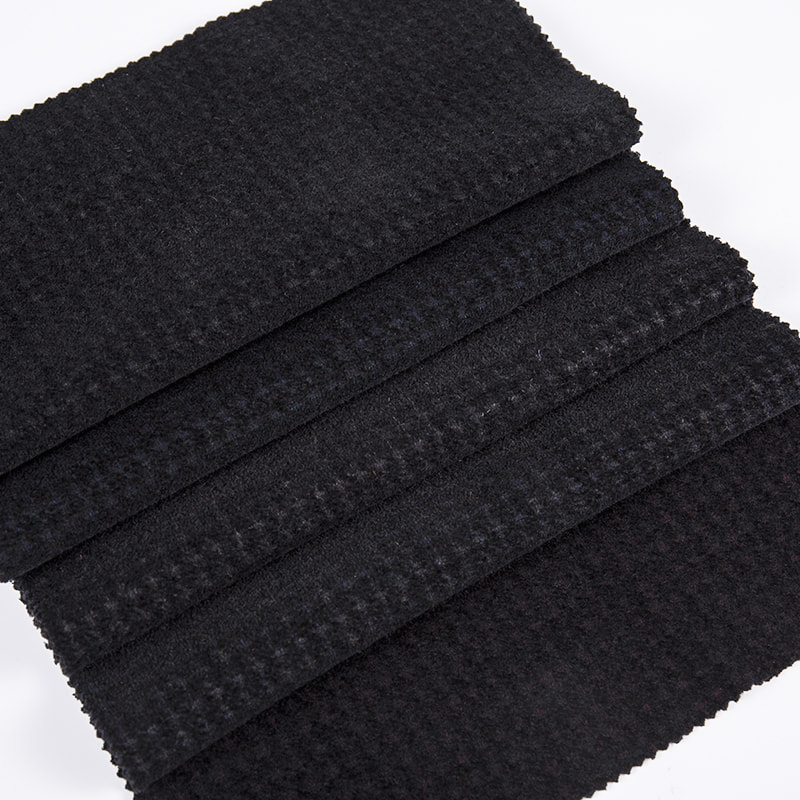 Polyester Wool Plaid Knitted Jacquard Winter FabricBlending cashmere, wool, polyester, and cotton, this black plaid knit offers warmth, breathability, and easy care. Its mid-weight construction suits winter clothing, while fortified durability supports residential upholstery applications demanding wear resistance.View Product →
Upholstery is the most demanding application for chenille. A sofa seat experiences continuous abrasion, compression, and occasional staining. Key performance metrics include:
Contract specifiers should also confirm the fire-resistance requirements of their market. High-polyester blends may require additional flame-retardant treatment for public spaces.
Start with the end use, then verify three numbers: weight in gsm, abrasion in Martindale cycles, and pilling rating on a 1-5 scale. Together they predict most of the fabric's real-world behavior.
For a detailed breakdown of quality markers and supplier evaluation, read our jacquard chenille fabric sourcing guide.
Yes, provided it has a woven base, a dense backing, and a Martindale result above 20,000 cycles. Knitted jacquard chenille is better for throw pillows and light seating, where abrasion stress is lower.
For residential upholstery, choose 350-450 gsm. For commercial or high-traffic seating, select at least 450 gsm with a tight woven structure.
Woven chenille is typically heavier. Dense interlacing produces weights of 350-600 gsm, while knitted jacquard chenille usually falls between 260 and 380 gsm.
Generally yes. The tighter interlacing of woven constructions binds pile yarns more firmly and reduces pill formation. Fiber content and twist level are equally decisive.
Both jacquard chenille and woven chenille deserve a place in a well-rounded fabric program. Jacquard chenille wins on pattern expression, softness, and garment comfort; woven chenille wins on durability, weight, and long-term upholstery performance. By comparing abrasion, pilling, and weight data rather than relying on hand feel alone, you can confidently match the fabric to the project.
As a vertical textile manufacturer with more than two decades of experience, Aodejia Textile develops chenille and jacquard solutions for brands and manufacturers worldwide. Contact our team with your target weight, pattern, and abrasion requirements.
Related Products

© 2024 Suzhou Aodejia Textile Technology Co., Ltd. All Rights Reserved.





 English
 Español