1. Defining Polyester Mink Yarn: Structure and Visual Characteristics
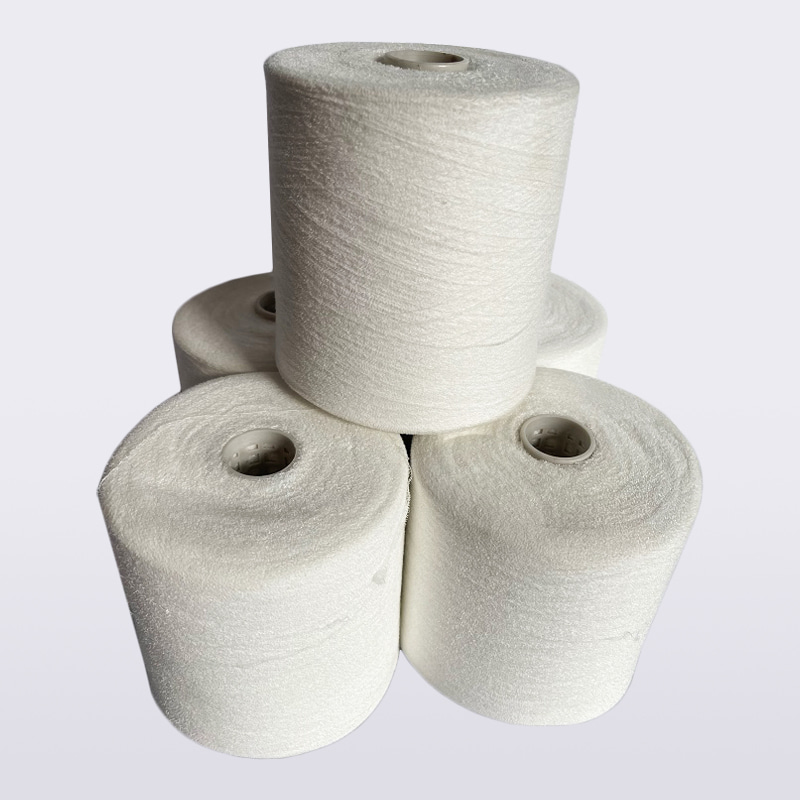
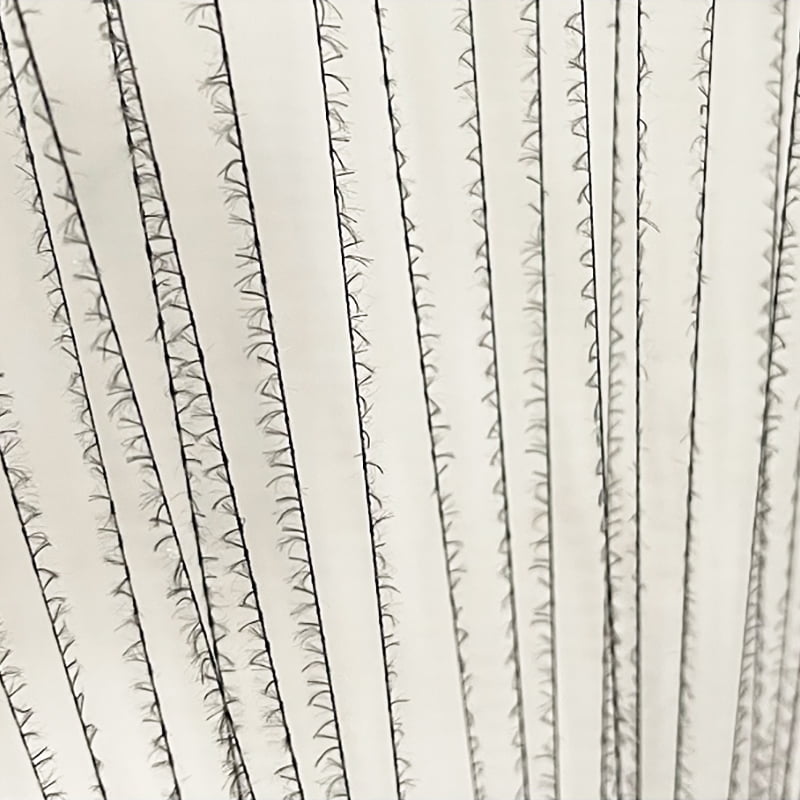
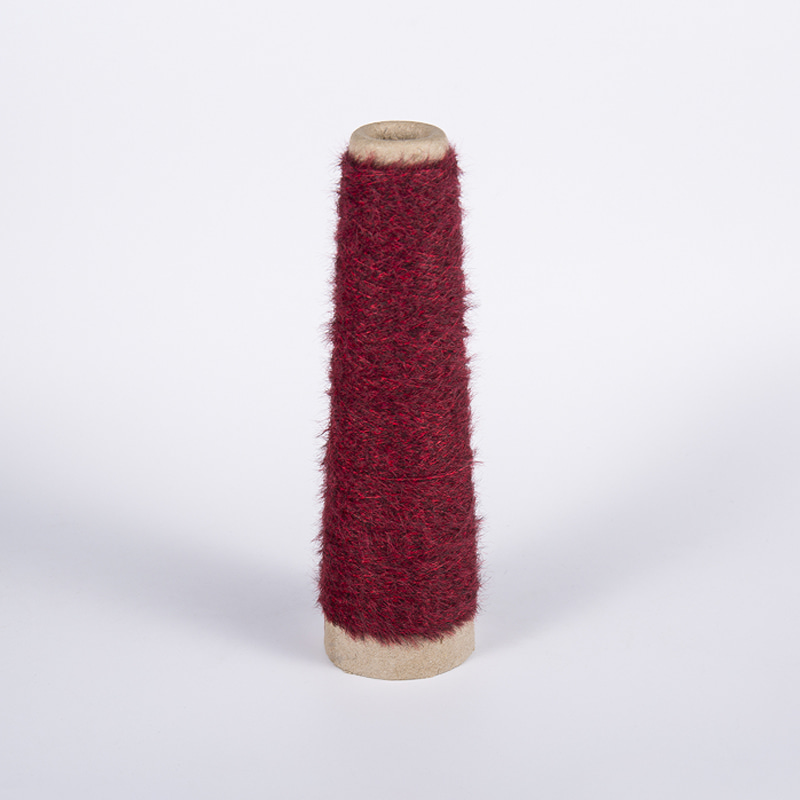
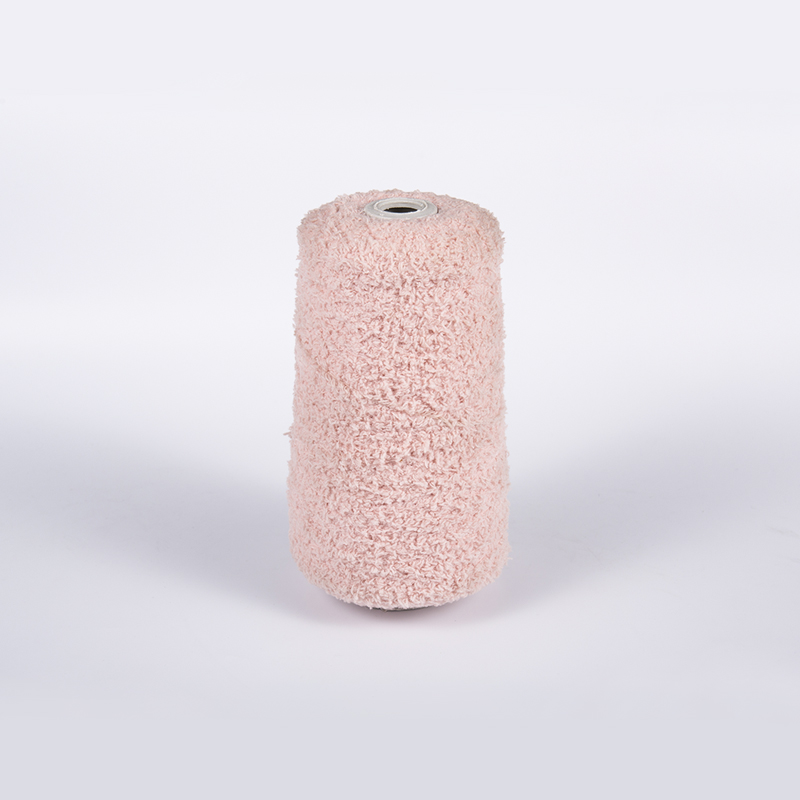
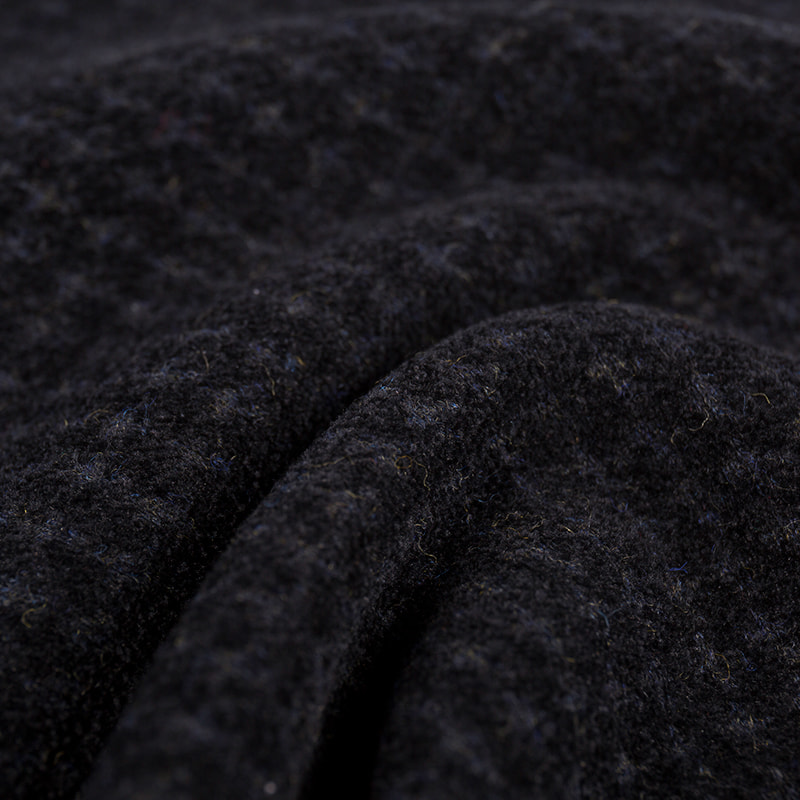
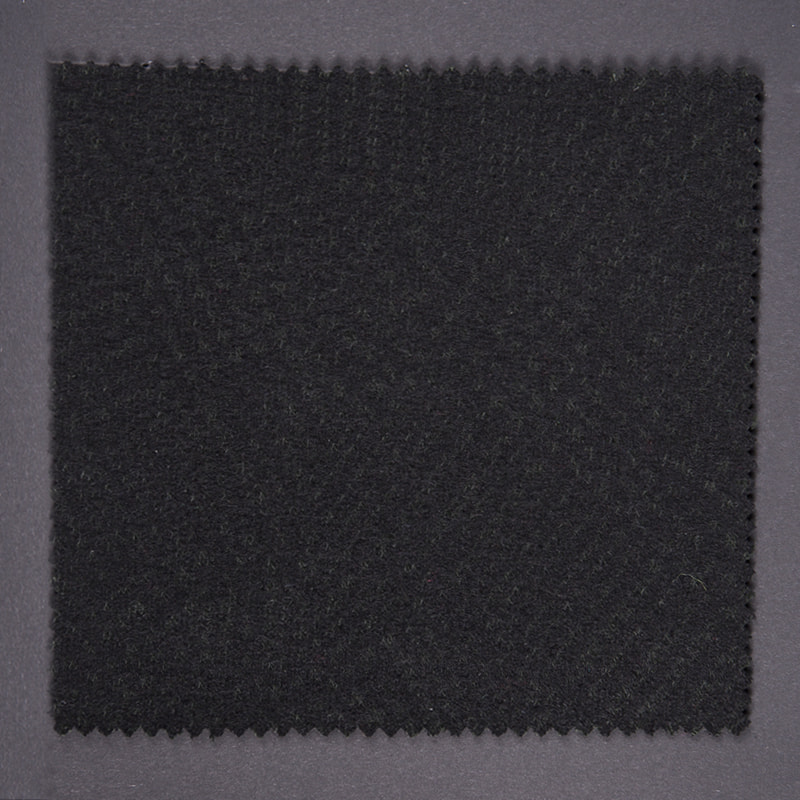
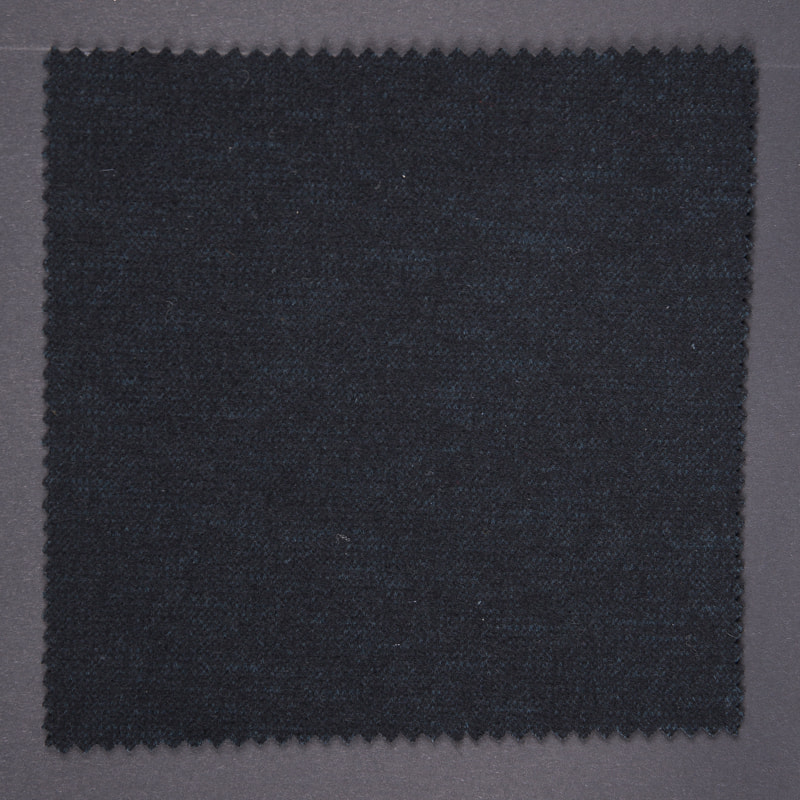
Polyester mink yarn is a fancy yarn characterized by short, soft pile fibers protruding from a central core. The name "mink" refers to the yarn's resemblance to mink fur — a dense, lustrous surface with a smooth, flowing direction. Unlike standard eyelash yarn, which has longer, more irregular protruding fibers, mink yarn is designed to have a more uniform pile length and a denser fiber arrangement. This creates a fabric that feels smooth to the touch in one direction and has a rich, fur-like sheen. The base structure typically consists of a polyester core with pile fibers anchored between two twisted strands. For manufacturers producing sweaters or scarves, this structure offers a premium look without the cost or sourcing complexity of animal fur. The most popular specification in export markets is 1.3 cm pile length, which provides a balanced plushness suitable for both lightweight and mid-weight garments.
2. Material Composition: 100% Polyester vs. Nylon and Blends
Polyester mink yarn is most commonly produced in 100% polyester or polyester-nylon blends. Each option offers distinct advantages. 100% polyester mink yarn is highly durable, resistant to stretching and shrinking, and has excellent color fastness. It is also the most cost-effective option for high-volume production. Polyester-nylon blends, typically 80% polyester and 20% nylon, offer increased abrasion resistance and a slightly softer hand feel due to nylon's natural flexibility. Nylon also improves the yarn's ability to retain its pile shape after repeated washing. Some manufacturers produce mink yarn with a small percentage of spandex (3-5%) for applications requiring stretch, such as tight-fitting sweaters or ribbed cuffs. For eco-conscious brands, recycled polyester mink yarn is becoming available, though pile consistency may vary between batches. The table below summarizes common material choices for polyester mink yarn.
| Material Composition |
Softness Rating |
Durability |
Color Fastness |
Best Application |
| 100% Polyester |
Moderate to High |
High |
Excellent |
High-volume sweaters, scarves |
| Polyester (80%) + Nylon (20%) |
Very High |
Very High |
Excellent |
Premium knitwear, accessories |
| Polyester + Spandex (3-5%) |
High |
Moderate |
Good |
Fitted garments, cuffs, collars |
| Recycled Polyester |
Moderate |
High |
Good |
Eco-friendly collections |
| 100% Nylon |
Very High |
Moderate |
Good |
Luxury lightweight scarves |
3. Pile Length Variations and Their Impact on Fabric Hand Feel
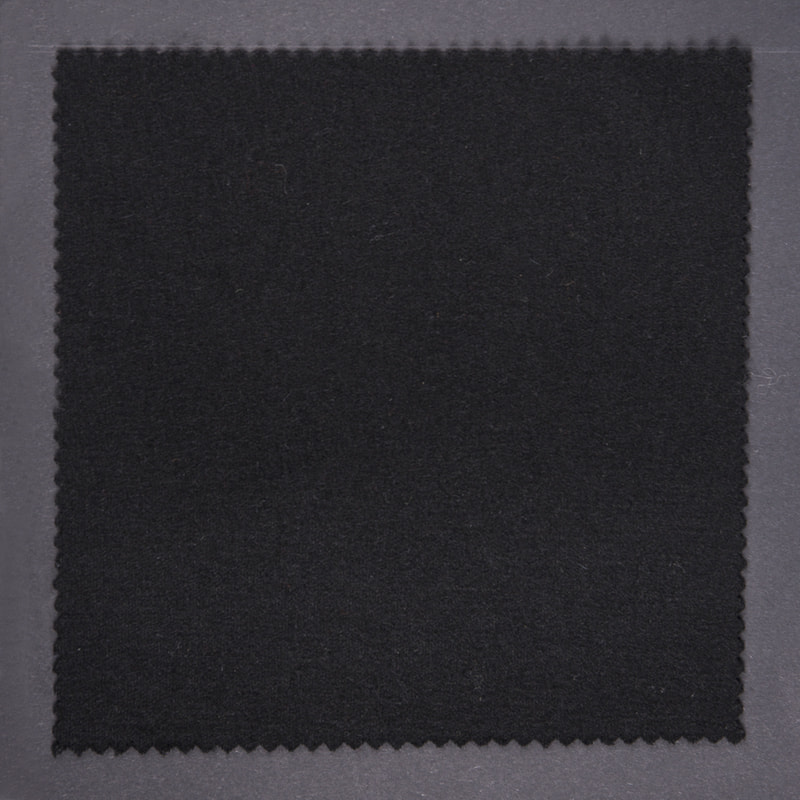
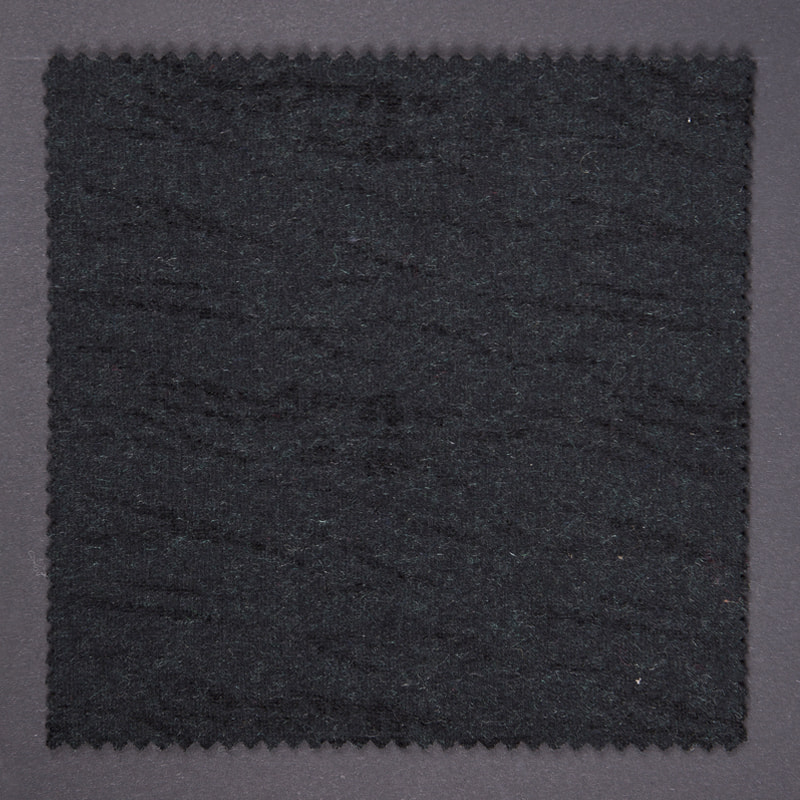
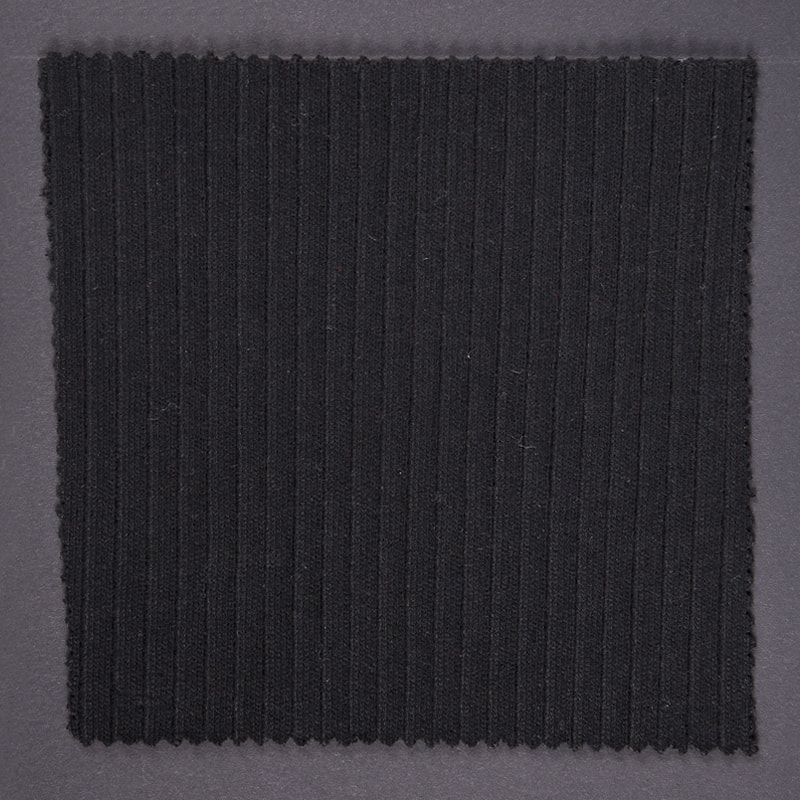
One of the defining features of polyester mink yarn is the availability of multiple pile lengths. Common lengths range from 0.2 cm (2 mm) to 2.5 cm (25 mm), each producing a distinctly different fabric surface. Short pile lengths (0.2 cm to 0.5 cm) create a dense, velvety surface that is less prone to shedding and matting. This specification is ideal for lightweight summer sweaters or linings where minimal bulk is desired. Medium pile lengths (0.7 cm to 1.3 cm) are the most popular for winter garments. The 1.3 cm length offers a visible, lush pile that mimics animal fur while remaining practical for machine knitting. Long pile lengths (1.8 cm to 2.5 cm) produce a dramatic, shaggy appearance suitable for statement pieces, costume wear, or high-pile home textiles such as throws and cushions. However, longer piles require more careful handling during knitting and are more susceptible to tangling. Manufacturers should request sample cards showing each pile length to assess how the yarn behaves on their specific knitting machines. For detailed specifications and custom orders, sourcing professionals can refer to
polyester mink yarn product pages for technical data sheets.
4. Performance Characteristics: Warmth, Durability, and Shedding Control
Polyester mink yarn is valued for its ability to provide warmth without significant weight. The pile structure traps air between the fibers, creating an insulating layer similar to natural fur. However, this same structure can lead to shedding — the gradual loss of pile fibers during use and washing. Shedding is controlled through two factors: core twist and pile fiber anchoring. A higher twist in the core threads (typically 350 to 450 TPM for mink yarn) holds the pile fibers more securely. Manufacturers should request pile retention test results; high-quality mink yarn should lose no more than 3% of its pile weight after standardized abrasion testing. Durability also depends on the knitting density: tighter knits reduce fiber movement and shedding, while looser knits allow more pile loss. For export shipments, many buyers require documentation of abrasion resistance measured by the Martindale method, with 15,000 to 25,000 cycles being typical for apparel-grade mink yarn.
5. Application Focus: Sweaters, Scarves, Accessories and Home Textiles
Polyester mink yarn finds its largest markets in winter apparel and fashion accessories. For sweaters, medium pile lengths (1.0 cm to 1.5 cm) are most common, as they provide visual interest without excessive bulk. Crew neck and V-neck designs benefit from the yarn's directional sheen, which adds depth to solid colors. Scarves and wraps often use longer pile lengths (1.5 cm to 2.0 cm) to create a dramatic, fluffy appearance that stands out in retail displays. For gloves and hats, shorter pile lengths (0.5 cm to 0.8 cm) are preferred to maintain dexterity and fit. Beyond apparel, polyester mink yarn is also used in home textiles such as decorative cushions, soft toys, and blanket trims. In these applications, pile lengths of 1.8 cm to 2.5 cm create a luxurious, tactile surface. The table below matches each application with recommended specifications.
| End Product |
Recommended Pile Length |
Material |
Yarn Count Range |
Key Consideration |
| Lightweight Sweater |
0.7 - 1.0 cm |
100% Polyester |
2/28 Nm - 2/32 Nm |
Low shedding, good drape |
| Winter Sweater |
1.3 - 1.5 cm |
Polyester-Nylon blend |
2/24 Nm - 2/28 Nm |
Warmth, fur-like appearance |
| Scarf / Wrap |
1.5 - 2.0 cm |
100% Polyester |
2/20 Nm - 2/24 Nm |
Fluffiness, lightweight |
| Gloves / Hats |
0.5 - 0.8 cm |
Polyester + Spandex |
2/30 Nm - 2/34 Nm |
Fit, dexterity |
| Cushions / Throws |
1.8 - 2.5 cm |
Polyester or Blend |
2/16 Nm - 2/20 Nm |
Visual impact, softness |
6. Quality Specifications for Export: Pile Retention, Twist and Certifications
For manufacturers exporting polyester mink yarn to Europe, North America, or Japan, consistent quality is measured through several key indicators. Twist per meter (TPM) for mink yarn typically ranges from 350 to 450. Lower twist produces a softer, more flowing yarn but increases the risk of pile shedding. Higher twist improves pile retention but makes the yarn stiffer and reduces the visual fluffiness. Pile density — the number of protruding fibers per unit length — should be consistent across batches; variation leads to visible streaking in the final fabric. Evenness, measured by a uniformity tester, is critical for circular knitting machines to prevent yarn breaks. For export documentation, OEKO-TEX Standard 100 certification is mandatory for garments intended for sensitive skin or children. Many European buyers also request test reports for color fastness to washing and light, as well as a declaration of fiber composition. SGS or Intertek testing can verify pile retention and abrasion resistance. Manufacturers with in-house laboratories can provide batch-specific certificates, which reduce the buyer's need for incoming inspection.
Frequently Asked Questions About Polyester Mink Yarn
Q1: What is the difference between polyester mink yarn and standard eyelash yarn?
A: Polyester mink yarn has a more uniform pile length and denser fiber arrangement, creating a smooth, fur-like surface. Eyelash yarn typically has longer, more irregular protruding fibers that create a spiky, eyelash-like appearance. Mink yarn is preferred for garments requiring a luxurious, soft hand feel, while eyelash yarn is often used for novelty or costume applications.
Q2: What pile length is most popular for winter sweaters?
A: The 1.3 cm pile length is the most popular specification for winter sweaters. It provides a visible, lush surface that mimics animal fur while remaining practical for machine knitting and everyday wear. Shorter piles (0.7-1.0 cm) are used for lightweight sweaters, and longer piles (1.5 cm+) are reserved for scarves or statement pieces.
Q3: How can I reduce shedding in polyester mink yarn fabrics?
A: Shedding is controlled by selecting yarn with higher core twist (380-450 TPM) and knitting at a tighter gauge. Requesting pile retention test results from your supplier (less than 3% loss after abrasion) is recommended. Washing finished garments inside out on a gentle cycle also reduces initial shedding.
Q4: Is polyester mink yarn suitable for machine knitting?
A: Yes, polyester mink yarn is widely used on circular knitting machines and flat knitting machines. However, pile lengths above 1.8 cm may require slower machine speeds to prevent tangling. Always request a trial run to confirm compatibility with your specific machine gauge and settings.
Q5: What certifications are required for exporting polyester mink yarn to Europe?
A: OEKO-TEX Standard 100 is mandatory for yarns used in apparel. If the yarn is labelled as recycled, GRS certification is required. For garments intended for children, OEKO-TEX Class I certification is necessary. Test reports for color fastness (ISO 105) are also commonly requested by European buyers.
References and Further Reading
- Gong, R. H., & Wright, R. M. (2019). Fancy Yarns: Their Manufacture and Application. Woodhead Publishing. Chapters on plush and feather yarns.
- OEKO-TEX Association. (2025). OEKO-TEX Standard 100: General and Special Conditions. Zurich: OEKO-TEX Secretariat.
- Textile Institute. (2023). Textile Terms and Definitions (13th Edition). Manchester: The Textile Institute. Entries for mink yarn and feather yarn.
- International Organization for Standardization. (2022). ISO 105-C10:2006 – Textiles — Tests for colour fastness — Part C10: Colour fastness to washing. Geneva: ISO.
- SGS Group. (2024). Testing for Fancy Yarns: Physical and Chemical Parameters for Export. Geneva: SGS Publications.






 English
 Español