2026-10-12
Content
Winter outerwear has always carried a quiet promise of warmth, comfort, and timeless style. For decades, real fur represented the upper limit of that promise — a material associated with luxury, softness, and status. Yet behind that glamour stood a mounting ethical and environmental cost that the fashion industry could no longer ignore.
Today, imitated mink fabric has stepped into that space with a compelling answer. It delivers the plush touch and serious warmth that consumers expect from premium winter outerwear, while removing the animal welfare concerns and the heavy footprint of real fur. The result is not a compromise; for many brands, designers, and buyers, imitated mink has simply become the preferred choice.
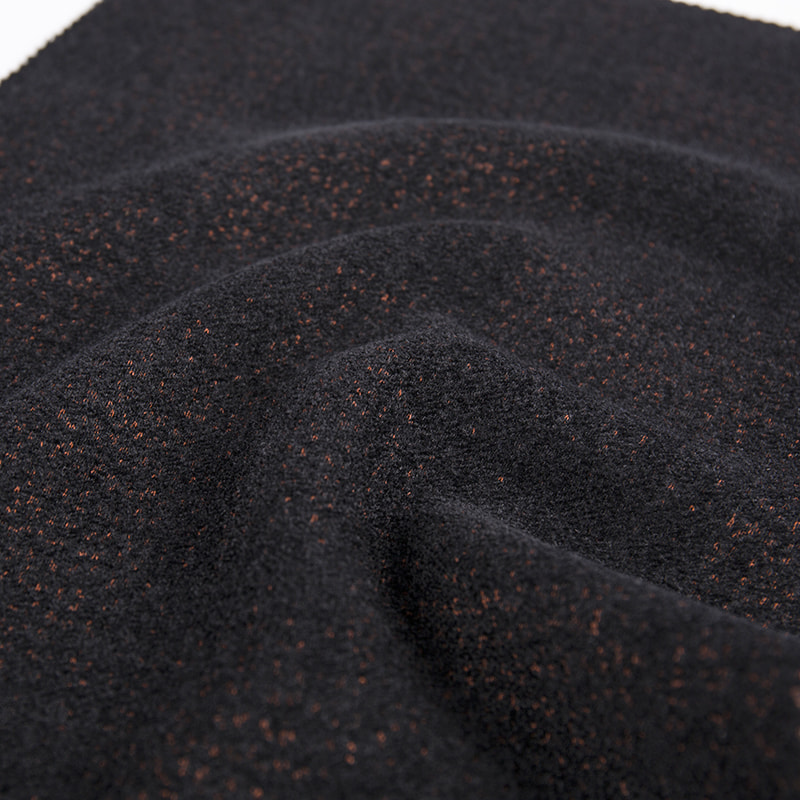
Imitated mink fabric is a knitted textile engineered to replicate the short, silky pile and dense feel of genuine mink fur. It is usually constructed from polyester and nylon yarns in a jacquard knit, then passed through a brushing and raising process that lifts the surface fibres into a soft, fluffy pile. The knitted base gives the fabric elasticity, shape recovery, and a lighter hand than traditional woven fur, while the raised surface traps air in countless tiny pockets — the same principle that keeps natural fur warm.
Because the pile is formed from synthetic microfibres, the fabric can be produced with consistent quality, in almost any colour, and without any reliance on animal farming. This combination of textile engineering and creative flexibility is why manufacturers increasingly treat imitated mink as a core material for winter apparel, from everyday jackets to statement overcoats.
The departure from real fur has been one of the defining changes in modern fashion. Major markets have tightened regulations around fur farming and trade, and a growing number of brands have publicly committed to fur-free collections. But regulation alone does not explain the shift. Consumer values have changed just as decisively.
Shoppers now ask where materials come from, how animals were treated, and what impact a coat has beyond the hanger. Real fur — particularly mink, which is farmed at scale — carries a heavy ethical burden. Confinement, stress, and slaughter are difficult to reconcile with contemporary ideas of responsible luxury. Imitated mink removes that burden entirely. It offers the same sensory experience, the silky pile, the soft warmth, the visual depth, with a clear conscience. For design teams, that means fewer supply-chain dilemmas; for retailers, it means a story that customers actually want to share.
Lifecycle assessments comparing real fur and faux fur have consistently pointed in one direction: imitation fur products tend to generate a lower environmental impact than their natural counterparts. Real mink farming requires feed, water, land, and energy over the animal's lifetime, and the subsequent processing of pelts adds further chemical and energy demands. Synthetic alternatives concentrate their impact on raw material production and manufacturing — stages that are easier to optimise and control.
It is also worth addressing the common concern about synthetic fibres. Modern imitated mink fabrics are engineered with durability in mind; a well-made polyester-nylon garment can last for many seasons, and the ability to brush and refresh the pile extends its life even further. In the full lifecycle of a winter coat, imitated mink typically offers a better balance of warmth, durability, and environmental cost. When manufacturers combine responsible sourcing with traceable production, the sustainability argument becomes stronger still.
The reason imitated mink dominates winter outerwear is simple: it performs. The dense brushed pile traps still air and creates a thermal barrier comparable to real fur, while remaining noticeably lighter. The knitted construction adds stretch and freedom of movement, making coats and jackets more comfortable in daily wear. As explained in our detailed look at the soft and fluffy warmth retention of imitated mink fabric, the combination of a plush filling and excellent insulation is exactly what cold-weather garments need. Imitated mink also handles moisture more predictably than animal pelts, and its smooth surface sheds light rain and snow with minimal absorption.
| Aspect | Real Fur | Imitated Mink Fabric |
|---|---|---|
| Warmth | Excellent; dense natural pile | Excellent; engineered pile traps air |
| Weight | Heavy; varies with pelt | Light; consistent from roll to roll |
| Moisture | Absorbs; needs professional care | Sheds moisture; quicker drying |
| Maintenance | Specialist cleaning only | Brushing and gentle spot-cleaning |
| Animal impact | Fur farming and slaughter | None |
| Cost | High and volatile | Stable and predictable |
For outerwear brands, these differences translate directly into supply-chain stability and customer satisfaction. A fabric that is lighter, easier to care for, and consistent in quality is easier to design with and easier to sell.
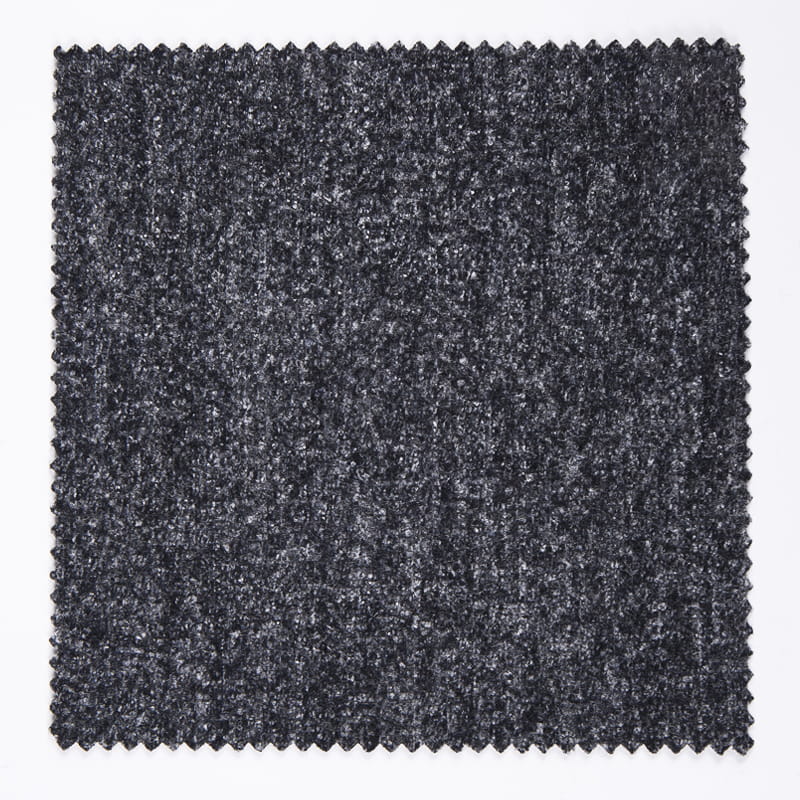
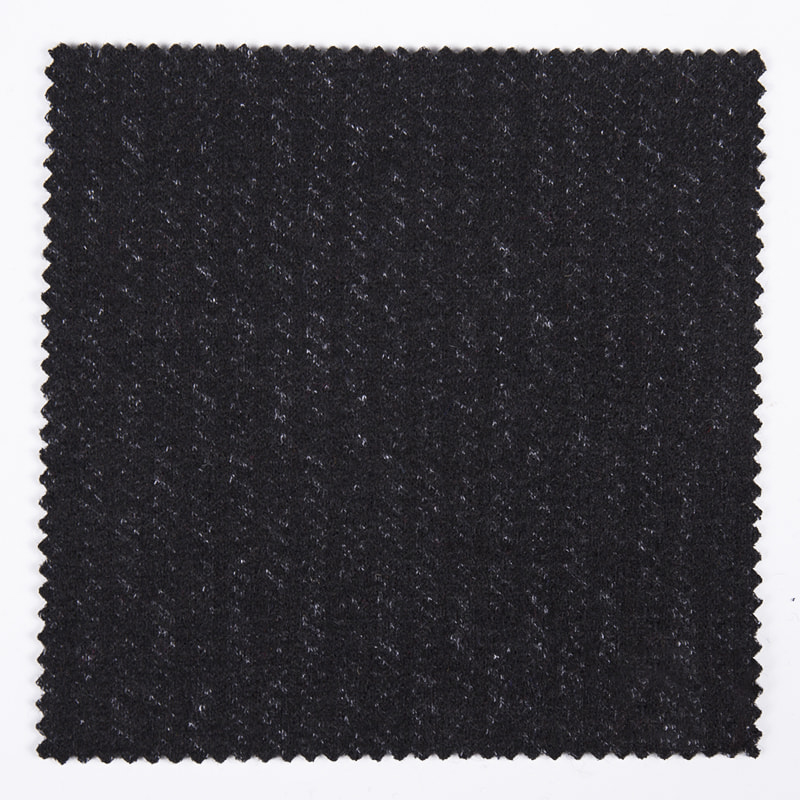
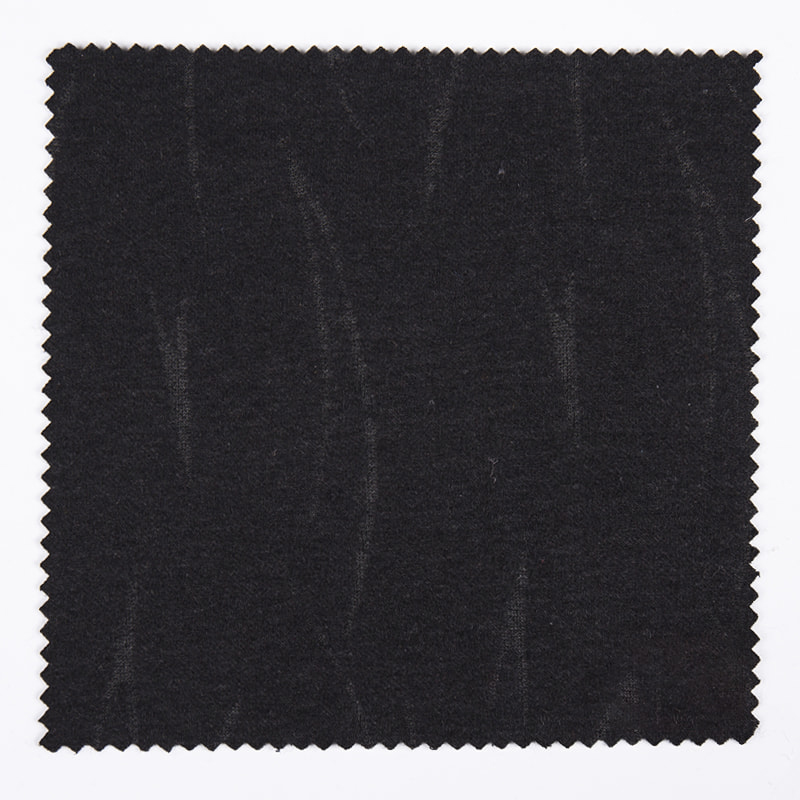
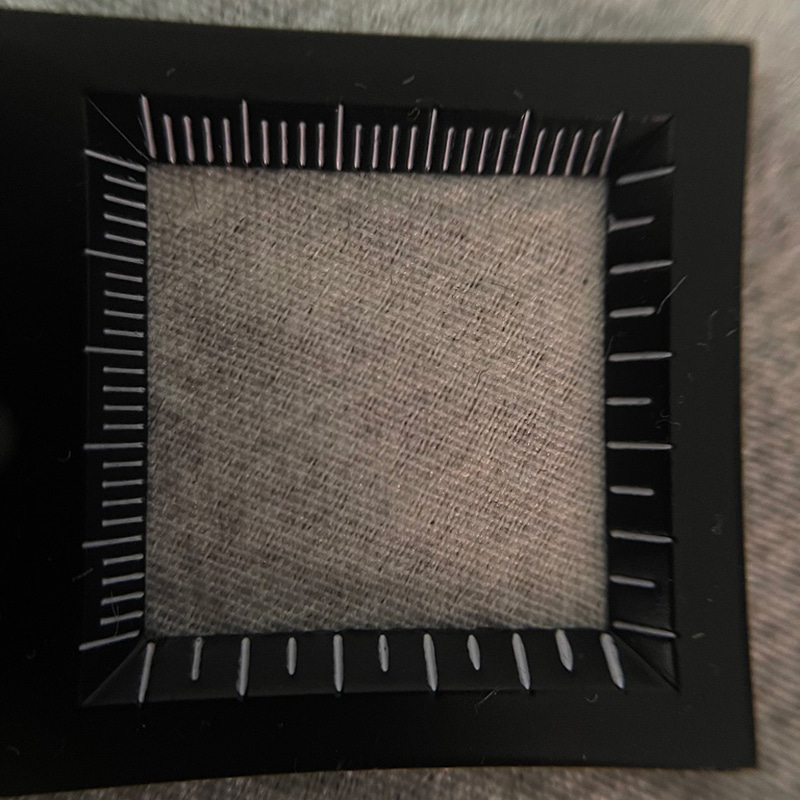 H1816 Brushed Faux Mink Fabric in Polyester Nylon KnitExplore a versatile winter fabric that mimics mink's softness and warmth with durable, easy-care polyester and nylon. Its knitted base allows custom colors and patterns, ideal for designers seeking stable quality.View Product →
Where real fur is a natural product with natural limits, imitated mink is a blank canvas. Because the fabric is knitted and dyed during production, designers can specify a wide spectrum of colours, from muted greys and browns to bold statement shades. Jacquard knitting allows patterns such as houndstooth, plaids, and geometric textures to be built directly into the pile, creating a depth of surface that is impossible with animal pelts.
This versatility matters for a modern winter collection. An imitated mink fabric can be the hero of a fashion-forward houndstooth overcoat or the quiet warmth of a tailored collar and lining. From the manufacturer's perspective, imitated mink is also highly cost-efficient. Synthetic yarns are more affordable than pelts, and the knitting process produces uniform rolls with predictable yields, reducing waste. For buyers, this means premium aesthetics at a price point that keeps winter outerwear accessible — and profitable.
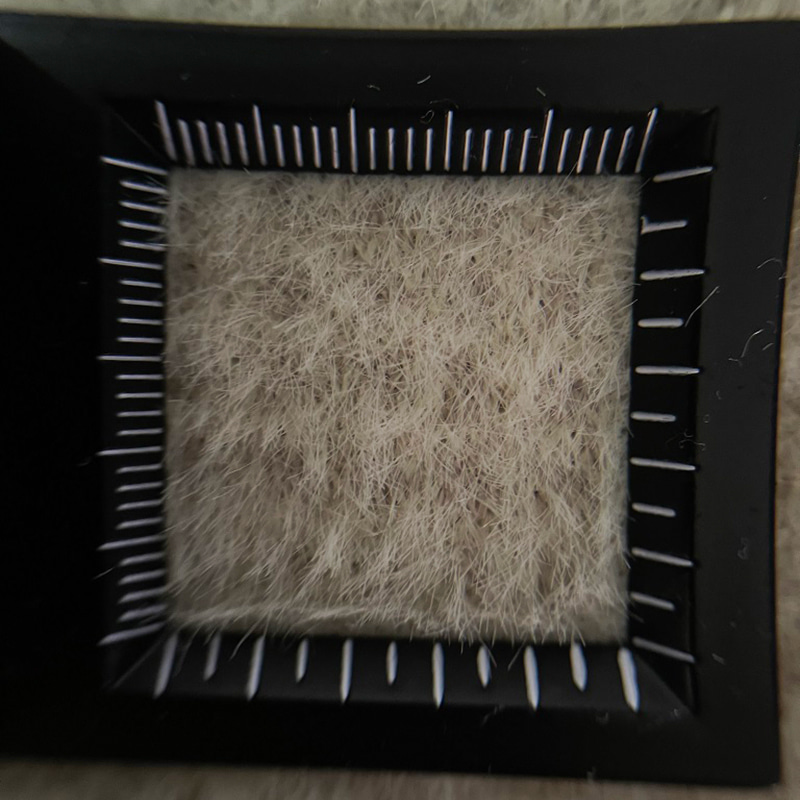 Houndstooth Jacquard Faux Mink Winter Fabric H1801This knitted polyester-nylon fabric offers a refined houndstooth pattern with a mink-like sheen and touch. It delivers warmth, breathability, and durability while avoiding fur controversies, making it a practical choice for winter garments.View Product →
One of the oldest objections to synthetic fur was that it would mat, shed, or lose its lustre. In modern imitated mink fabrics, this concern has been largely resolved by fibre selection and construction. Polyester and nylon microfibres are strong and resilient, and a tightly knitted base holds the pile in place season after season.
Care is refreshingly simple. Brushing with a soft pet brush restores the pile and removes surface dust; airing refreshes the garment; and occasional spot-cleaning with a mild detergent handles small stains. There is no need for cold storage, chemical preservatives, or urgent visits to a furrier. When a coat is properly constructed, the imitated mink pile continues to look plush for many winters, reinforcing the argument that this is a durable and responsible choice.
For designers and purchasing teams, choosing the right imitated mink comes down to a few technical points:
For brands planning a winter collection, the smartest sourcing decision is simple: choose a supplier whose production chain is transparent, whose materials are traceable, and whose team can turn a design sketch into a finished fabric quickly.
Yes. Its dense brushed pile traps air effectively, creating insulation that rivals real fur while remaining lighter and more comfortable for everyday wear.
Brush the pile gently with a soft brush, air the garment regularly, and spot-clean with mild detergent when needed. Avoid aggressive machine washing and high heat.
Lifecycle assessments show that faux fur products generally have a lower environmental impact than real fur over an equal use phase. Durability further reduces the long-term footprint.
It is typically a polyester-nylon knitted jacquard fabric with a raised or brushed pile. This blend provides softness, resilience, and a stable structure.
Yes. Since it is knitted and dyed during production, colours, patterns, weights, and pile finishes can be tailored to a brand's specific design direction.
Imitated mink fabric has earned its place at the centre of winter outerwear for reasons that go far beyond price. It answers the ethical questions that real fur can no longer avoid, reduces the environmental burden of cold-weather fashion, and delivers the softness, warmth, and visual richness that made fur desirable in the first place. For brands searching for a responsible yet beautiful material, imitated mink is no longer a substitute — it is the destination.
Related Products

© 2024 Suzhou Aodejia Textile Technology Co., Ltd. All Rights Reserved.





 English
 Español