2025-12-19
Content
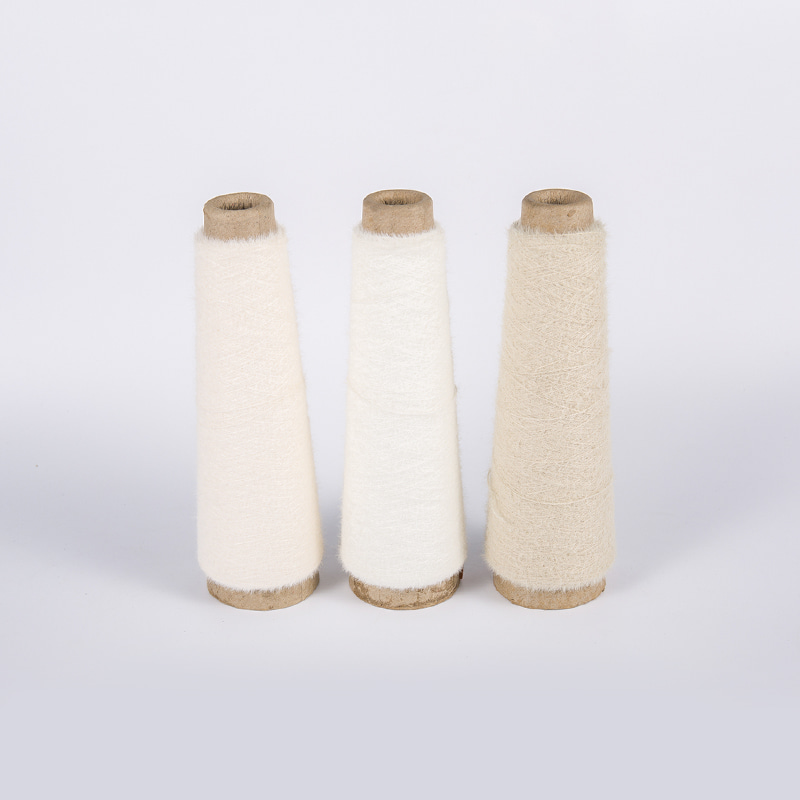
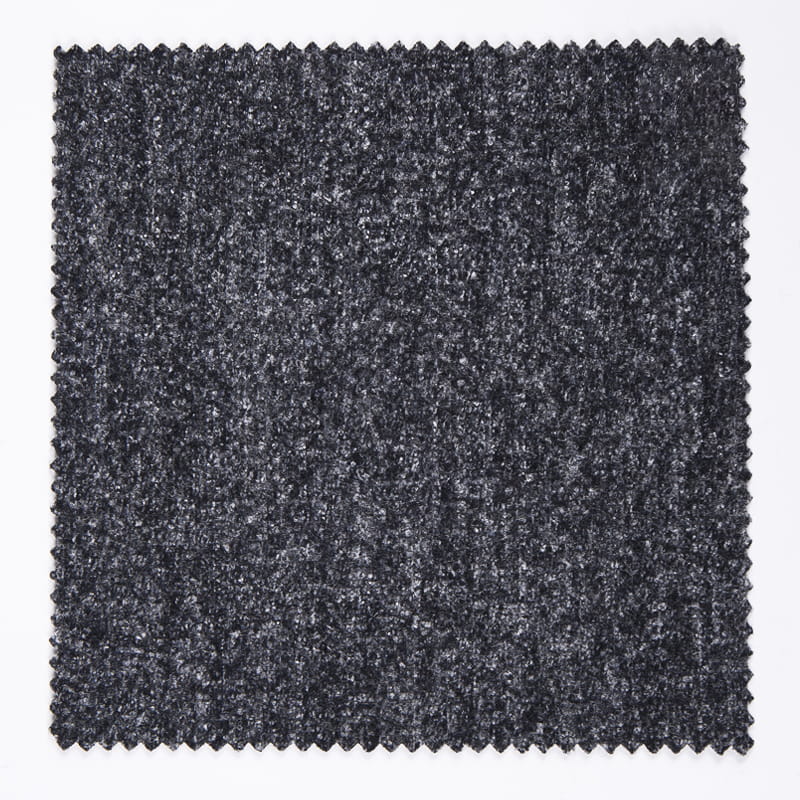
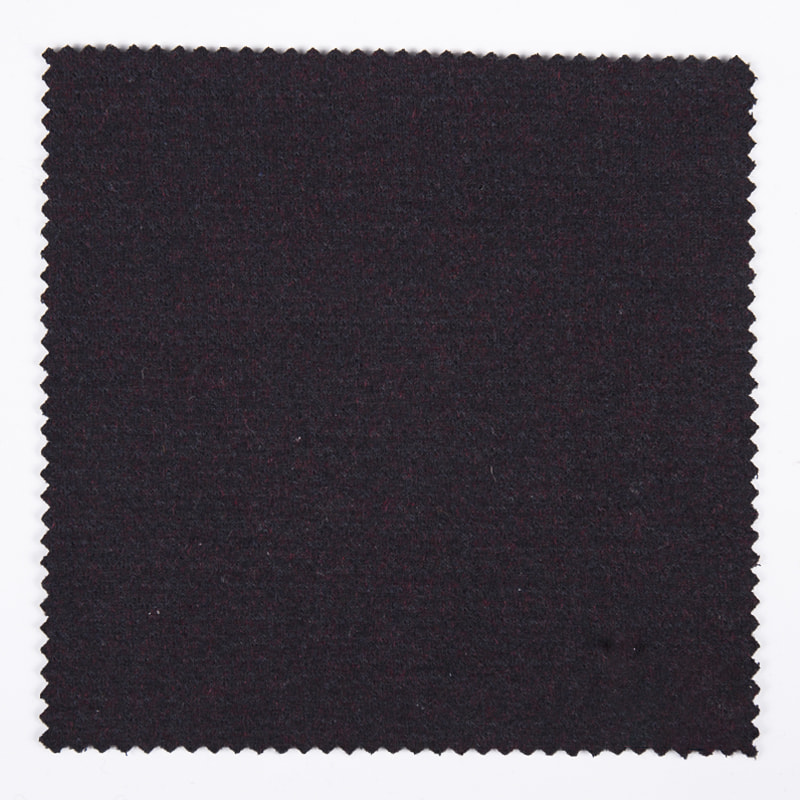
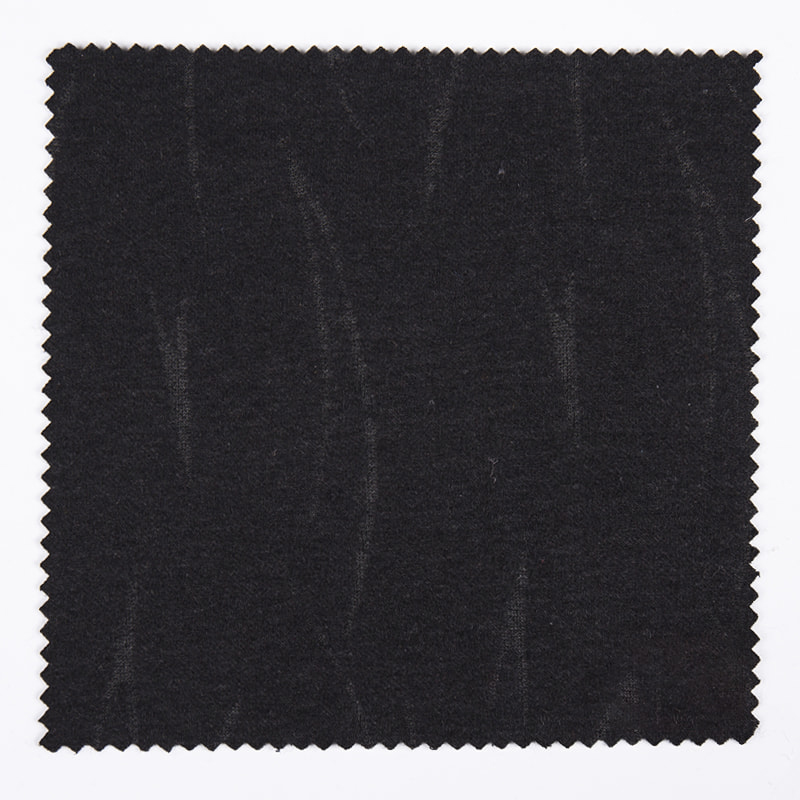
The art of transforming wool fibers into structured, durable, and beautiful fabrics is a cornerstone of textile history. Woven wool fabric, distinct from its knitted counterparts, is created by interlacing two sets of yarns—the warp and the weft—at right angles. This fundamental process yields a material renowned for its resilience, dimensional stability, and superior drape. For over two decades, Suzhou Aodejia Textile Technology Co., Ltd. has been immersed in this intricate world of spinning and weaving, developing a profound expertise in producing high-quality woven wool fabrics. Our integrated approach, encompassing everything from the production of specialized fancy yarns to the operation of advanced weaving looms, allows us to control every aspect of the fabric's character. The resulting materials are not merely cloth; they are engineered textiles designed for specific performance and aesthetic outcomes, serving industries from high-fashion to contract furnishings. This guide delves deep into the nuances of woven wool, exploring the techniques that define it, the varieties it encompasses, and the critical knowledge needed to select the perfect fabric for any project.
The universe of woven wool is vast, extending far beyond basic suitings. Several niche categories represent the intersection of traditional craftsmanship and modern textile innovation. These areas often see searches from designers, manufacturers, and enthusiasts seeking specific performance traits or unique aesthetics. Focusing on these areas allows one to appreciate the versatility of woven wool. For instance, the quest for woven wool fabric for durable upholstery drives innovation in fiber blends and weave density, while the search for breathable lightweight woven wool for clothing highlights the fabric's adaptability across seasons. Similarly, the interest in tightly woven wool fabric for wind resistance speaks to its functional outdoor applications, and the desire for woven wool fabric with natural stretch for comfort showcases advancements in textile engineering. Finally, the appreciation for woven wool fabric in classic herringbone pattern underscores the enduring appeal of traditional weaves. Each of these long-tail keywords opens a door to a specialized segment of the wool weaving industry, segments that companies like Suzhou Aodejia Textile Technology Co., Ltd. actively develop through dedicated R&D and flexible production capabilities, including OEM and ODM services to bring unique fabric visions to life.
Selecting a fabric for upholstery is a decision that balances beauty with brute strength. Furniture fabrics must withstand abrasion, sustained pressure, potential spills, and frequent use while maintaining their color and texture. This is where the specific qualities of woven wool fabric for durable upholstery come to the forefront. The inherent structure of a woven fabric provides a tight, locked-in surface that resists pilling and snagging far better than many other materials. Wool fibers themselves are naturally resilient, springing back from compression to maintain the furniture's shape over years. Furthermore, wool possesses a natural resistance to flames and can meet stringent fire safety codes for commercial and residential settings. When engineered for upholstery, these fabrics often undergo additional finishing processes. At our production facility, creating such durable textiles involves a meticulous approach, from selecting coarser, stronger wool grades or blending wool with robust synthetic fibers for added life, to employing weaves like twill or double cloth that build in extra thickness and strength without sacrificing the luxurious hand feel that wool is known for.
When evaluating woven wool for upholstery, several technical specifications take precedence over purely aesthetic ones. It is crucial to understand how different constructions and treatments compare. For example, a tightly woven wool fabric will generally have a higher Martindale rub count (a measure of abrasion resistance) than a looser weave. Similarly, a fabric treated with a stain-resistant finish will outperform an untreated one in a household with children or pets. The following table contrasts the properties of standard woven wool with upholstery-optimized woven wool, highlighting the enhancements made for demanding environments.
A standard woven wool suiting fabric may offer adequate durability for a lightly used accent chair, but it lacks the engineered fortitude required for a daily-used family sofa. In contrast, a woven wool fabric specifically designed for durable upholstery incorporates higher twist yarns, a denser weave structure, and often a topical treatment for stain and soil resistance. The standard fabric might have a rub count of 15,000 cycles, while the upholstery-grade fabric would target 40,000 cycles or more. The standard fabric may have minimal spill resistance, whereas the upholstery fabric would be engineered to allow for prompt cleanup of common liquids. This level of performance is a result of integrated R&D and production, where the yarn spinning parameters and the weaving setup are tailored from the outset to achieve a defined durability benchmark.
| Property | Standard Woven Wool (e.g., for Clothing) | Upholstery-Optimized Woven Wool |
|---|---|---|
| Primary Weave Type | Plain, Twill, Herringbone | Double Cloth, High-Density Twill, Jacquard with backing |
| Yarn Twist & Weight | Moderate twist, lighter weight for drape | High twist, heavier weight for stability and abrasion resistance |
| Abrasion Resistance (Martindale) | Lower (e.g., 10,000 - 20,000 cycles) | High (e.g., 40,000 - 100,000+ cycles) |
| Common Finishes | Softening, Pressing, Milling | Stain/Soil Repellent, Anti-static, Flame Retardant |
| Typical Weight (GSM) | 150 - 300 GSM | 300 - 600+ GSM |
| Best Use Case | Garments, lightweight drapes | Residential & Commercial Furniture, Public Transport Seating |
The perception of wool as a warm, winter-only fabric has been彻底 overturned by modern weaving technology. The development of breathable lightweight woven wool for clothing is a testament to the fiber's innate versatility. Breathability in wool is natural; the fiber's complex keratin structure allows it to absorb and release moisture vapor without feeling damp. However, translating this into a lightweight fabric requires precise engineering. It begins with selecting the finest merino wool fibers, which can be spun into incredibly thin, soft yarns. The weave pattern itself is critical: open weaves like hopsack or leno create microscopic air channels that promote ventilation, while maintaining a refined appearance. At Suzhou Aodejia Textile Technology Co., Ltd., producing such fabrics involves leveraging our dual expertise in fancy yarn production and fabric weaving. We can spin ultra-fine wool yarns and then weave them on high-precision looms with lower tension, preserving the yarn's loft and creating fabrics with weights often below 200 GSM. These textiles feel like luxury but perform like technical gear, making them ideal for year-round suiting, travel blazers, and high-performance base layers that regulate body temperature effectively.
This leads us to a seemingly opposite but equally important category: tightly woven wool fabric for wind resistance. Here, the goal is to minimize the passage of air (and thus, cold wind) through the fabric matrix, creating a protective barrier. This is achieved through high thread counts, compact weave structures like gabardine or tight plain weaves, and sometimes by applying a light mechanical or chemical finish that causes the fibers to swell and close up the gaps. The comparison between breathable and wind-resistant wools is fascinating, as both start from the same superb raw material but diverge dramatically in construction. A breathable wool shirt fabric might have an open, porous structure you can almost see light through, while a wind-resistant wool coating fabric will have a dense, smooth, and almost impermeable hand. The former prioritizes moisture vapor transmission, the latter prioritizes wind chill reduction. Our factory's capability to run multiple production lines allows us to cater to both extremes—producing ethereal, lightweight wool voiles and dense, rugged wool meltons—by adjusting parameters like yarn count, warp tension, and pick density with precision.
Traditional woven fabrics are prized for their stability, but this can come at the cost of freedom of movement. The innovation of woven wool fabric with natural stretch for comfort has revolutionized the wearability of tailored garments and fitted furnishings. This "give" is not typically achieved by adding elastane (spandex) alone, though that is one method. A more sophisticated approach involves both fiber and weave engineering. One method uses wool blended with a small percentage of specialized stretch fibers. Another, more advanced technique relies on the mechanical stretch built into certain weave structures, like a crepe weave, or by using high-twist wool yarns that have a natural springiness. When these yarns are woven, they want to contract, giving the finished fabric a inherent, multi-directional stretch and excellent recovery. This means a wool suit jacket can allow for a full range of motion across the shoulders and back without straining the seams, and a pair of wool trousers can maintain a sharp silhouette while moving with the body. For a manufacturer, producing these fabrics requires deep knowledge of how yarn properties interact with loom settings to preserve that crucial elasticity throughout the finishing process.
No discussion of woven wool's aesthetic dimension is complete without celebrating the woven wool fabric in classic herringbone pattern. Herringbone is more than a pattern; it is a structural weave (a broken twill) that creates a distinctive V-shaped, zigzag design reminiscent of a herring's skeleton. Its popularity is enduring for several reasons. Structurally, the broken twill is very stable and durable, making it historically popular for outerwear and upholstery. Visually, it adds depth, texture, and a dynamic visual interest that is more subtle than a large plaid but more engaging than a solid color. The pattern also excels at disguising minor wear and soiling. In a modern context, herringbone can be executed in myriad scales—from a fine, pin-stripe effect suitable for business suits to a bold, oversized pattern for statement coats or accent chairs. At our factory, the production of such classic patterns is a point of pride. Using jacquard looms or carefully set-up dobby looms, we can produce precise, clean herringbone patterns across various weights of wool fabric, ensuring the iconic chevrons are perfectly aligned, a hallmark of quality weaving. This ability to execute both timeless patterns and innovative stretch constructions under one roof demonstrates a comprehensive command of the woven wool landscape.
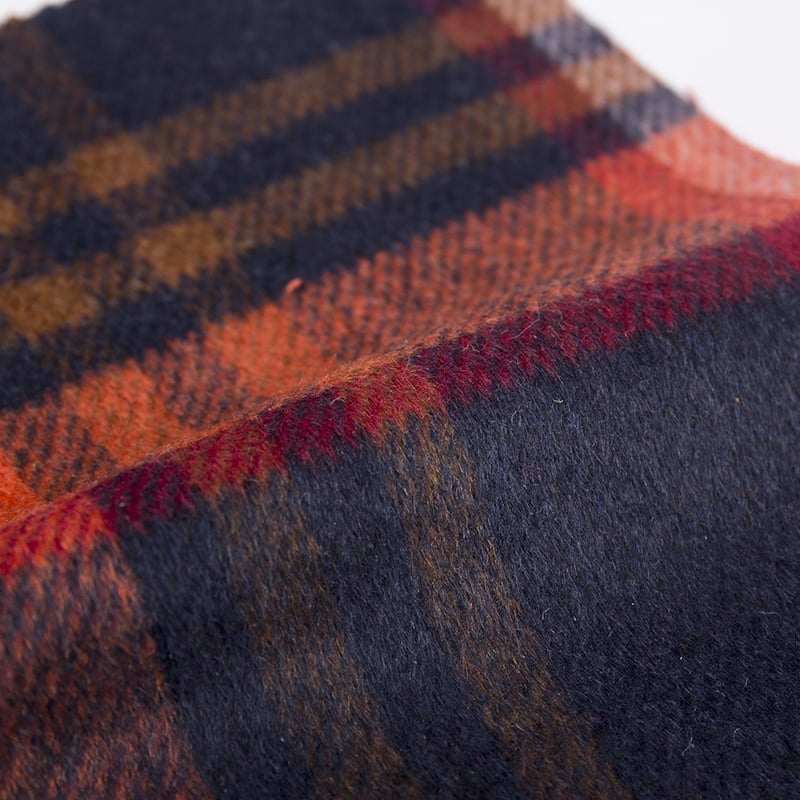
Navigating the diverse world of woven wool fabrics requires a systematic approach based on the end-use application. The selection process should move beyond simple aesthetics to a forensic examination of performance characteristics. Here is a practical framework to guide the decision-making process:
Woven wool fabric remains a dynamic and essential category in the global textile industry. Its journey from raw, greasy wool to a sophisticated, performance-oriented material encapsulates centuries of tradition fueled by constant innovation. From the rugged durability required for public spaces to the elegant, breathable comfort of modern suiting, woven wool continues to adapt and excel. The key to unlocking its full potential lies in understanding the intimate relationship between fiber, yarn, weave, and finish. This knowledge empowers designers, manufacturers, and brands to make informed choices, selecting or developing the perfect woven wool fabric that not only meets aesthetic aspirations but also stands up to the practical demands of its intended life. With experienced partners driving technical development, the future of woven wool is as robust and intricate as the fabrics themselves.
Related Products

© 2024 Suzhou Aodejia Textile Technology Co., Ltd. All Rights Reserved.





 English
 Español