2025-12-11
Content
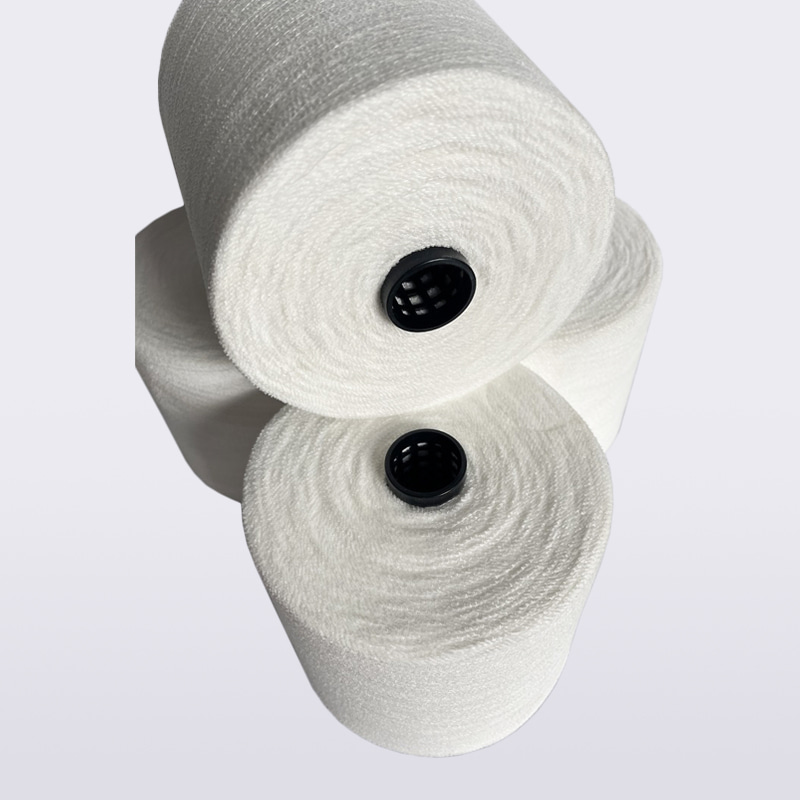
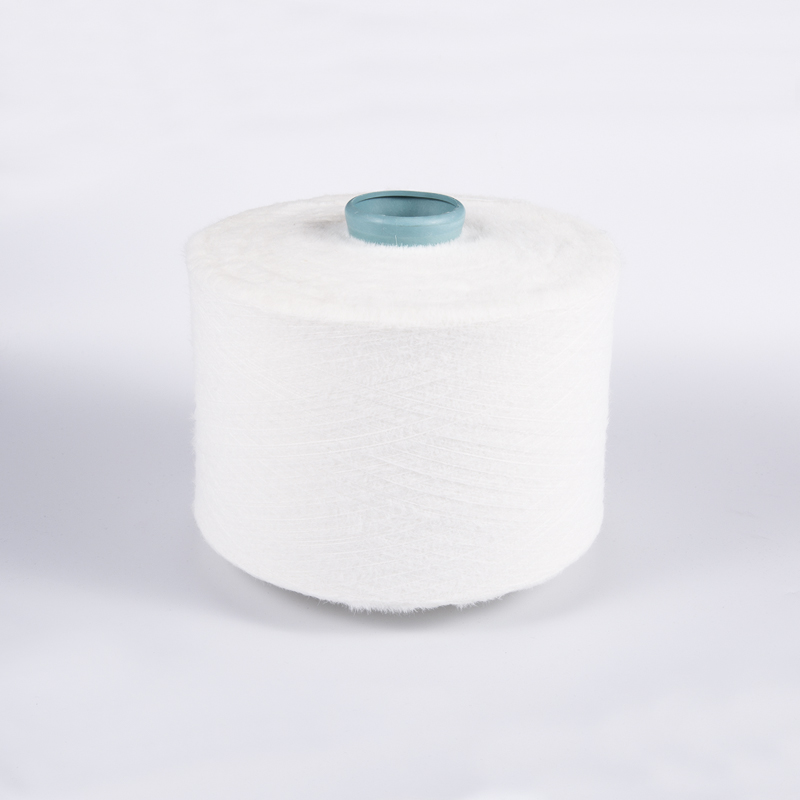
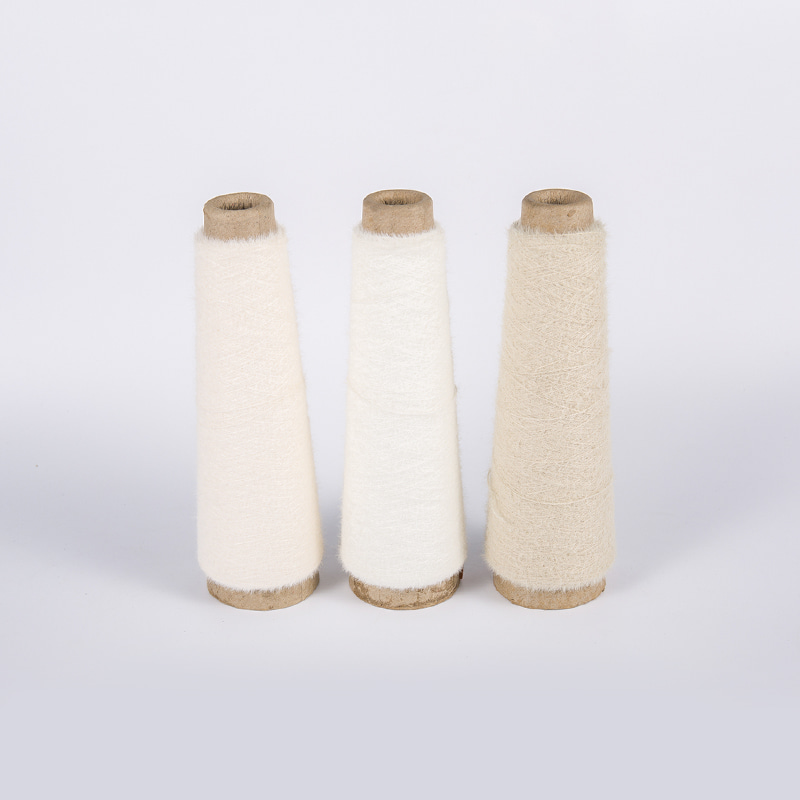
Fancy yarn has evolved from a niche decorative material into one of the most dynamic elements reshaping modern textile aesthetics. Historically, designers relied primarily on smooth, uniform yarns to achieve a consistent texture, but as fashion embraced individuality and richer tactile expression, unique yarn structures became increasingly important. Today, fancy yarn embodies creativity—its irregular textures, vibrant colors, loops, slubs, spirals, and metallic blends enable unlimited design potential. This shift also reflects consumer preference for visually stimulating fabrics that feel luxurious, expressive, and artisan-inspired. As fashion trends continue moving toward personalization and emotional expression, fancy yarn’s diversity plays a crucial role in elevating garments, accessories, and handcrafted pieces. It is no longer just an embellishment but a design foundation used in knitwear, woven goods, scarves, sweaters, high-end fashion, and lifestyle textiles. The rise of social media craft culture and DIY movements further strengthens its relevance, as more creators explore unique fibers for both aesthetics and practicality.
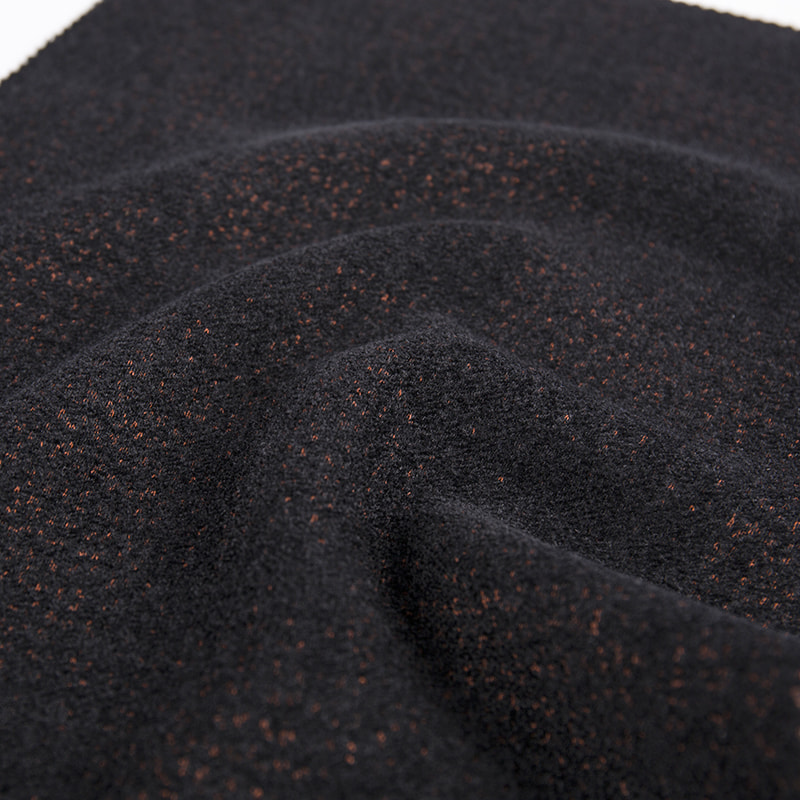
Modern designers increasingly favor textured materials such as textured fancy yarn for knitting because they bring multidimensional appeal to garments without requiring complex techniques. Texture adds richness, movement, and visual contrast, enabling even simple knit patterns to appear more luxurious. These yarns also allow for greater storytelling in fashion—each fiber twist or textured detail introduces personality. Designers appreciate how textured fancy yarn transforms minimalistic patterns into expressive art pieces while maintaining comfort and durability. Beyond aesthetics, the tactile experience is a major factor; consumers are drawn to garments that feel soft, voluminous, or pleasantly irregular. Textured yarns can also mask imperfections, making them ideal for both high-end apparel and beginner-friendly knitting projects. As fashion trends shift toward cozy, comforting materials, textured fancy yarn remains central to creating inviting, fashionable garments that stand out.
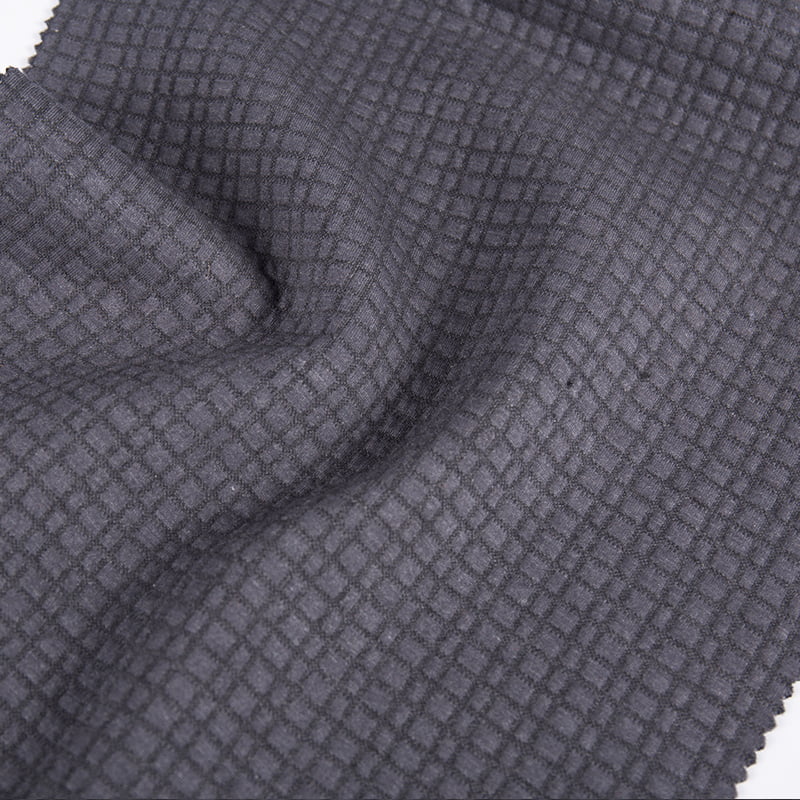
Designers who work with fancy yarn types for fashion design often categorize these materials into several main groups based on structure. These categories help determine which yarns are best suited for creating softness, volume, sparkle, or intricate surface effects. Understanding the categories allows creators to select fibers that match their artistic intentions, whether aiming for elegance, playfulness, or bold statement pieces. Common categories include loop yarn, eyelash yarn, bouclé yarn, slub yarn, spiral yarn, and metallic-effect yarn. Each category offers distinct visual and tactile qualities, making fancy yarn one of the most versatile materials in contemporary fashion. With so many variations available, designers can experiment extensively while ensuring the chosen yarn aligns with garment functionality, drape, and comfort. The range of fancy yarn categories continues to expand as textile innovation advances.
Fancy yarn excels at transforming ordinary textiles into visually compelling pieces by delivering unique tactile qualities. Its irregular thickness, unexpected twists, added fibers, or surface embellishments enable creators to build dynamic fabrics that interact with light and movement. These enhancements make fancy yarn types for fashion design ideal for garments that require expressive styling, such as runway pieces, luxury knitwear, or artistic accessories. Beyond aesthetics, tactile qualities affect how wearers experience a garment—plush yarns create comfort, airy yarns add a lightweight feel, and textured yarns provide warmth with character. The versatility of fancy yarn allows designers to control mood, texture, and visual storytelling in ways that standard yarn cannot.
The structure of fancy yarn directly influences its performance, drape, texture, and appearance. Designers must understand these differences to select yarns that match their intended application. Spiral yarn offers dynamic twists, while bouclé creates loops that form a soft, bumpy surface. Eyelash yarn gives dramatic fringed effects, perfect for accessories or trims. Loop yarn is fluffy and warm, suitable for winter garments. Slub yarn features thick and thin segments, providing organic irregularity. Comparing these structures helps determine the ideal fiber for achieving subtle texture or dramatic visual impact. Each structure offers benefits and limitations depending on the project. Understanding these differences allows fashion creators to design with precision.
| Fancy Yarn Type | Main Feature | Best Use |
| Slub Yarn | Thick-thin irregular structure | Artisan-style sweaters |
| Bouclé Yarn | Looped texture | Winter garments |
| Eyelash Yarn | Fringed surface | Accessories & decorative trims |
The rise of DIY culture has made handmade projects using fancy yarn a favorite among creators looking to craft expressive and personalized items. Fancy yarn’s unique textures make simple patterns appear far more intricate than they truly are, encouraging beginners and hobbyists to explore creative techniques. From cozy blankets to stylish tote bags, fancy yarn adds dimensional charm to everyday handmade goods. Social media platforms have further fueled this trend by spotlighting visually striking DIY projects, which often feature bold yarn textures. The tactile and aesthetic appeal inspires artisans to experiment with color blending, mixing yarn types, or pairing fancy yarn with standard fibers for contrast. As consumers increasingly appreciate handcrafted and customized products, fancy yarn crafts continue to stand out for their originality and decorative character.
Fancy yarn has become essential for creators who prioritize individuality in their handmade crafts. Its textured and decorative nature enhances even the simplest items, giving them a premium, artistic look. Whether using boucle, slub, or eyelash yarn, makers can achieve depth and character with minimal effort. The material is particularly valued for its ability to catch light and create movement, turning basic knitted or crocheted pieces into standout decorative items. For artisans selling their handmade work, fancy yarn adds perceived value, making products feel more luxurious and visually appealing. Its adaptability allows it to blend well with other yarn types, enabling makers to balance texture, color, softness, and durability in unique ways.
| Craft Type | Use of Fancy Yarn | Style Impact |
| Blankets | Soft, voluminous textures | Warm and cozy appearance |
| Bags | Sturdy decorative yarn blends | Trendy and visually rich |
| Scarves | Textured, expressive fibers | Fashion-forward and elegant |
When comparing handcrafted items made with fancy yarn versus basic yarn, the differences in appearance, feel, and personality are significant. Basic yarn delivers uniformity and predictability, which is ideal for minimalist or functional pieces. In contrast, fancy yarn introduces artistic texture, color interplay, and expressive depth even when using simple techniques. This makes fancy yarn particularly appealing for crafters who want their creations to stand out. Fancy yarn projects tend to appear richer, more luxurious, and more visually stimulating. Additionally, the tactile experience is more engaging due to the varied fibers and structures present in fancy yarn. This comparison helps artisans select the right yarn depending on whether they value consistency or creative expression.
| Feature | Fancy Yarn | Basic Yarn |
| Texture | Rich and irregular | Smooth and even |
| Visual Impact | High | Moderate |
| Suitable For | Decorative & expressive crafts | Minimalist or everyday items |
Selecting the best fancy yarn for scarves and accessories requires understanding how different textures and fiber compositions influence comfort, longevity, and aesthetic appeal. Softness is crucial for scarves and neck accessories since these items remain in contact with the skin. Durability ensures the accessory maintains its shape despite frequent use. Texture contributes to the overall style, turning simple patterns into sophisticated fashion pieces. Fancy yarn often blends multiple fibers, offering interesting combinations of softness, loft, shine, or elasticity. Factors such as climate, intended use, and desired style all influence the choice of yarn. Whether creating a bold winter scarf or a lightweight decorative accessory, selecting the right fancy yarn enhances both comfort and visual charm.
Fancy yarn plays a transformative role in the wearability and appearance of scarves and accessories. Its unique patterns, thickness variations, and blended fibers allow designers to craft pieces that are both functional and fashionable. Lightweight textured yarns provide comfort and breathability, making them perfect for transitional weather. Thicker, plush fancy yarns offer warmth and volume, ideal for winter accessories. Beyond comfort, fancy yarn creates striking visual interest—its expressive textures elevate simple outfits and make accessories stand out. Its ability to hold color and texture well ensures long-lasting beauty, even with regular wear. For many fashion creators, fancy yarn is the key to producing memorable, standout accessories.
| Accessory Type | Ideal Fancy Yarn | Benefit |
| Winter Scarf | Plush textured yarn | Added warmth and volume |
| Light Shawl | Lightweight decorative yarn | Breathability and elegance |
| Fashion Accessory | Mixed-fiber fancy yarn | Visual contrast and expressiveness |
Cold-weather accessories benefit greatly from choosing the right materials, especially when incorporating fancy yarn. Plush yarns create warmth and provide luxurious volume, while looped or bouclé yarns deliver a cozy, tactile feel. Spiral or metallic-effect yarns add visual flair suitable for festive or fashion-forward pieces. When compared to standard yarn materials, fancy yarn creates garments that combine style and functionality more effectively. Designers must consider factors such as insulation, softness, breathability, and how well the yarn maintains its texture. Fancy yarn often performs better in creating aesthetic appeal, making winter accessories both functional and fashionable.
| Material | Warmth Level | Best Uses |
| Plush Fancy Yarn | High | Scarves & winter wear |
| Bouclé Fancy Yarn | Medium | Cozy cold-weather accessories |
| Light Fancy Yarn | Low–Medium | Light shawls & decorative wraps |
As consumers increasingly value environmentally responsible products, eco friendly fancy yarn materials have become essential to modern textile production. Sustainable fancy yarn reduces environmental impact by using renewable fibers, low-impact dyes, or recycled materials. These practices support long-term ecological health while offering designers new creative opportunities with innovative textures. Fancy yarn derived from natural or recycled sources often maintains excellent softness, durability, and aesthetic appeal, proving that sustainability does not require sacrificing quality. Many textile creators choose eco-friendly fancy yarn to align with broader goals for ethical production, responsible sourcing, and waste reduction. As awareness grows, eco-friendly yarn options continue expanding and reshaping the direction of contemporary fashion and craft industries.
Eco-friendly fancy yarn materials include a wide range of natural, renewable, and recycled fibers. Natural plant-based options may include bamboo, cotton blends, or other biodegradable fibers that provide softness and breathability. Recycled fibers repurpose existing materials, reducing waste while maintaining functional and aesthetic qualities. Sustainable dyeing techniques further enhance environmental benefits by reducing water and chemical use. These materials offer eco-conscious creators the ability to craft fashionable, high-quality garments and accessories without contributing to excessive pollution or resource depletion. As sustainable practices rise, the market for eco-friendly fancy yarn continues to grow with increasing diversity and creative potential.
Eco-friendly fancy yarn offers performance that rivals, and sometimes surpasses, traditional fancy yarn. Natural fibers often provide breathability and softness, making them ideal for comfortable garments. Recycled fibers maintain durability while supporting sustainable manufacturing. Although traditional fancy yarn can offer a wider range of textures and visual effects, eco-friendly alternatives continue improving and now provide diverse options suited for both fashion and handmade projects. When comparing the two, sustainability becomes a key differentiator—eco-friendly yarn significantly reduces ecological footprint while delivering competitive quality and performance.
| Category | Eco-Friendly Yarn | Traditional Fancy Yarn |
| Environmental Impact | Low | Moderate to High |
| Texture Variety | Growing | Extensive |
| Comfort | High | Varies |
Fancy yarn is widely used in modern fashion to elevate the visual and tactile qualities of garments and accessories. Its expressive textures provide designers with tools to create distinctive looks for sweaters, scarves, shawls, hats, and even runway pieces. Unlike basic yarn, fancy yarn helps garments appear more dimensional, luxurious, and artistic. Its ability to incorporate loops, slubs, spirals, or fringes makes it a preferred choice for unique fashion items.
Yes, fancy yarn is suitable for beginners because many textured yarns can make simple stitches appear more complex and visually appealing. Even basic knitting or crochet techniques produce impressive results when using fancy yarn. Beginners often appreciate that fancy yarn can hide minor mistakes and add character to their early projects.
Plush textured yarn, loop yarn, and bouclé yarn are among the best options for winter accessories. These yarns provide insulation, softness, and volume, making them ideal for scarves, hats, and cozy winter garments. Their naturally warm structure enhances comfort while offering stylish texture.
To choose eco-friendly fancy yarn, look for fibers made from renewable or recycled materials. Natural fibers such as bamboo or organic cotton provide breathability and softness, while recycled blends reduce waste. Also consider yarns dyed with low-impact dyes, as these minimize chemical use and environmental harm.
Fancy yarn can be durable when crafted from quality fibers and used appropriately. Some delicate textures may require careful handling, but many fancy yarn types—especially blended or looped varieties—offer strong durability for everyday accessories and garments. Proper care ensures long-lasting beauty and performance.
Related Products

© 2024 Suzhou Aodejia Textile Technology Co., Ltd. All Rights Reserved.





 English
 Español