2026-02-11
Content
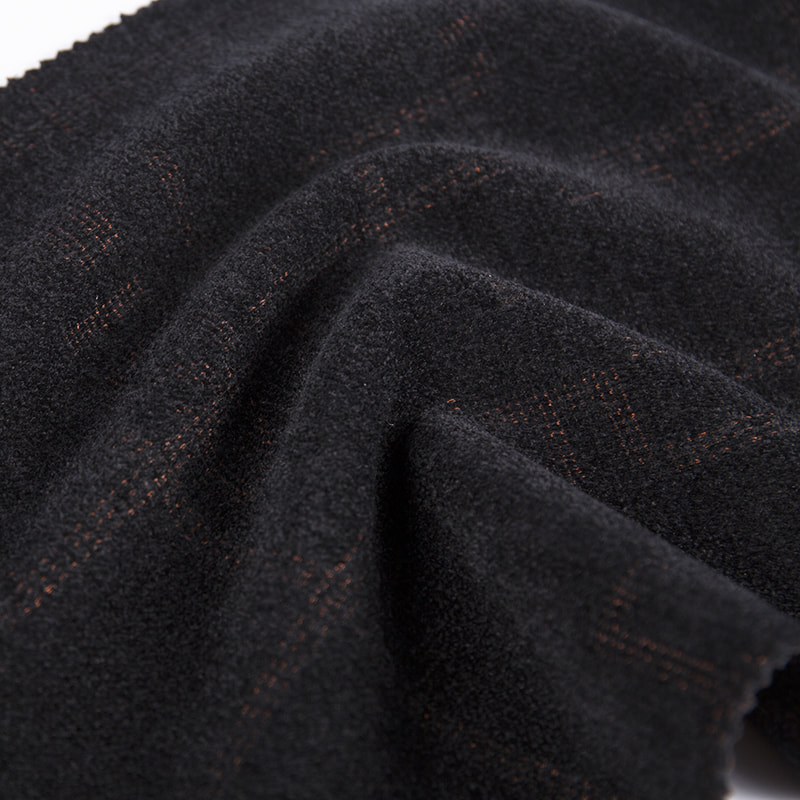
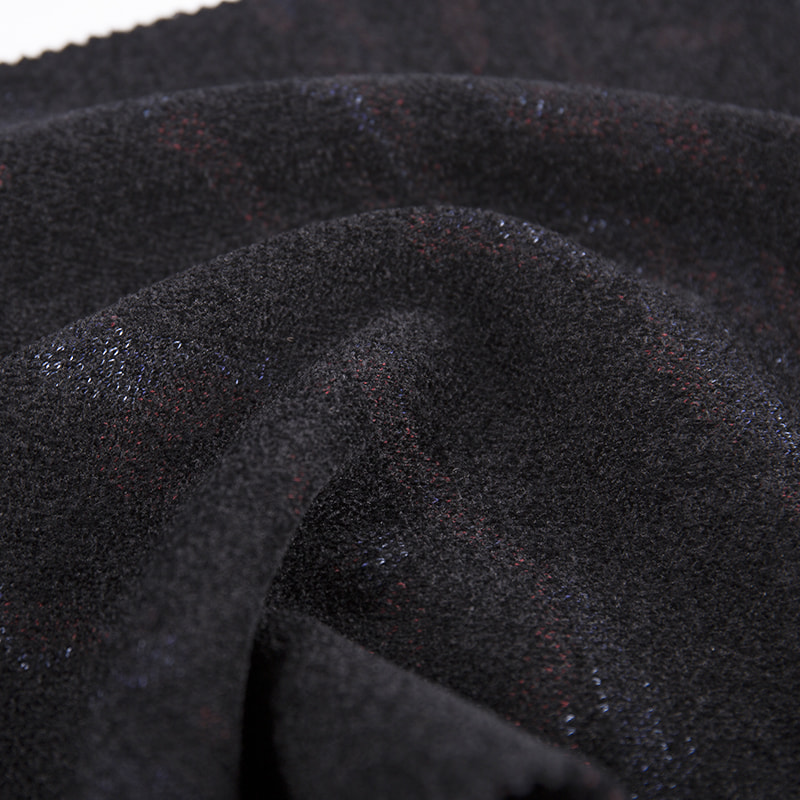
The textile manufacturing landscape is a vibrant tapestry of innovation, where material choice fundamentally dictates the final product's appeal, performance, and market success. Among these choices, the utilization of dyed yarn—pre-colored fibers spun into thread—stands as a cornerstone technique with profound implications. Moving beyond the traditional process of dyeing finished fabrics, employing dyed yarn offers manufacturers a strategic advantage in achieving superior quality, design flexibility, and operational efficiency. This method involves coloring the staple fibers or filaments before they are spun, resulting in yarn with color embedded at its core. The benefits permeate every stage of production, from enabling intricate multi-color patterns like jacquards and stripes with unmatched clarity to significantly reducing post-weaving/knitting water and energy consumption. As sustainability and fast fashion cycles intensify industry demands, understanding the multifaceted advantages of dyed yarn transitions from a niche consideration to a critical competitive strategy. This article delves deep into the key benefits, exploring how this approach enhances color fastness, streamlines supply chains, unlocks creative potential, and contributes to more environmentally conscious manufacturing.
One of the most significant technical advantages of using dyed yarn is the exceptional level of color fastness and consistency it delivers. In conventional piece-dyeing, where an entire grey fabric is submerged in a dye bath, the penetration of color molecules can be uneven, especially in denser weaves or blends of different fibers. This can lead to side-to-center shading variations, blotchiness, and reduced wash or light fastness as the color merely coats the surface. In contrast, the yarn dyeing process allows for colorants to be applied at the fiber stage, ensuring a more thorough and uniform saturation throughout the cross-section of each filament. This intrinsic coloring means the final fabric exhibits superior resistance to fading from washing, abrasion, and exposure to light. For manufacturers producing heather or melange fabrics, where different colored fibers are blended, the yarn dyeing process is indispensable. It allows for precise pre-coloring of individual fiber batches, which are then intimately blended and spun, creating a visually rich, uniform heather effect that is impossible to achieve through piece-dyeing. This fundamental improvement in quality directly translates to higher-value end products with greater durability and customer satisfaction.
| Aspect | Yarn-Dyed Fabric | Piece-Dyed Fabric |
| Color Penetration | Core-deep, uniform | Surface-level, can be uneven |
| Wash Fastness | Excellent | Good to Moderate |
| Light Fastness | High | Variable |
| Shading Consistency | Very High (batch-to-batch) | Can have variations |
| Suitability for Patterns | Essential for stripes, checks, jacquards | Limited to solid colors |
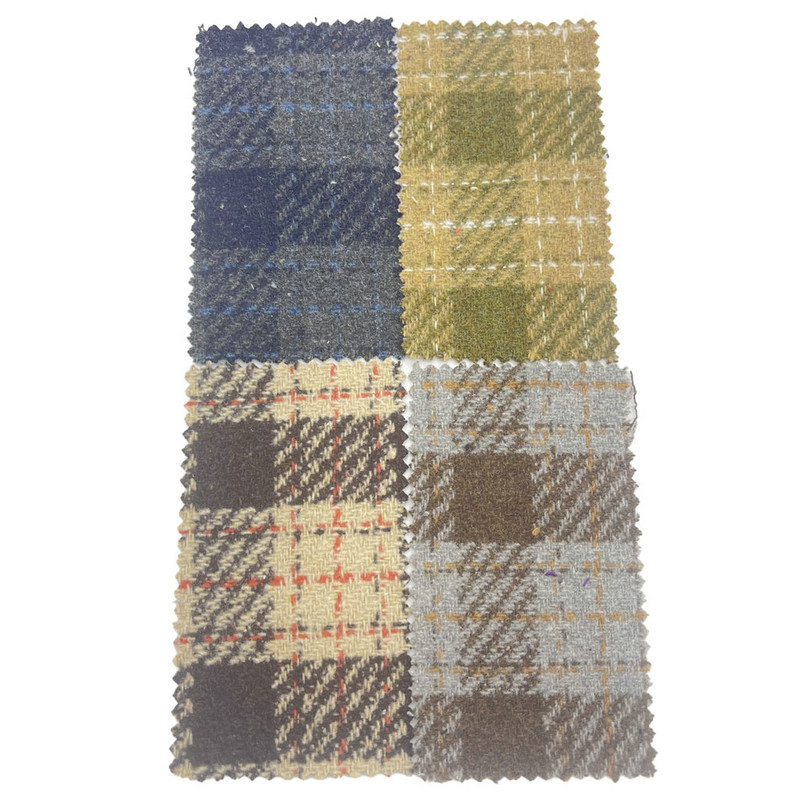
The creative possibilities unleashed by dyed yarn are vast, forming the bedrock of many iconic textile designs. This approach liberates designers from the constraints of solid colors, enabling the creation of fabrics with inherent, complex patterns. When yarns of different colors are arranged on a loom or knitting machine, they become the pixels of a textile image. This allows for the production of timeless patterns like crisp gingham checks, bold Bengal stripes, and intricate jacquard narratives depicting florals or geometrics. The visual clarity and color definition in these patterns are superior because each colored yarn is distinct. Furthermore, the technique of space dyeing yarn adds another dimension to this versatility. In this specialized process, multiple colors are applied along the length of a single skein of yarn at intervals, creating vibrant, random, or programmed color sequences. When this yarn is knit or woven, it produces stunning, unpredictable heathered, speckled, or ombre effects that are highly sought after in the fashion and home decor sectors. This capability to engineer color at the yarn stage is a direct answer to the question of how to create unique yarn colors for niche markets and high-end collections.
From an operational standpoint, integrating dyed yarn into the manufacturing pipeline can lead to substantial efficiencies and cost savings, particularly for specific product types. While the initial investment in pre-dyed yarn may be higher than grey yarn, the total cost of ownership often proves advantageous. The most dramatic savings are realized in water, energy, and chemical consumption. The resource-intensive process of dyeing finished fabric—which requires massive volumes of water, substantial thermal energy for heating dye baths, and subsequent washing—is largely circumvented. When using pre-dyed yarns, the manufacturing facility primarily engages in weaving, knitting, and finishing, drastically reducing its wet processing footprint. This aligns perfectly with the growing demand for eco-friendly dyed yarn options, as it significantly lowers the environmental impact associated with dyehouse effluent. Furthermore, it simplifies inventory management for manufacturers producing standard patterned items (like classic striped shirting). They can stock proven, consistent dyed yarn and quickly respond to orders without scheduling and running large, unpredictable piece-dyeing batches, thus shortening lead times and improving responsiveness to market trends.
| Production Stage | With Dyed Yarn | With Piece-Dyeing |
| Yarn Preparation | Colored yarn is sourced or produced. | Grey (undyed) yarn is sourced. |
| Weaving/Knitting | Pattern is created directly on the loom/machine. | Grey fabric is produced. |
| Dyeing Process | Not required for color application. | Fabric is dyed, requiring water, energy, chemicals. |
| Finishing | Only mechanical/finishing treatments needed. | Requires washing, drying, and finishing after dye. |
| Environmental Impact | Significantly Lower | Concentrated at the dyeing stage |
The modern textile industry is under immense pressure to adopt sustainable practices, and the yarn dyeing process is at the forefront of this transformation. While traditional dyeing is a known polluter, advancements in pre-yarn coloring are paving the way for greener alternatives. The most significant benefit of pre-dyed yarn here is the inherent reduction in water and chemical use, as previously detailed. Beyond that, the industry is innovating with specific eco-friendly dyed yarn options. This includes yarns dyed with low-impact, fiber-reactive dyes requiring less salt and fixatives, yarns colored with natural dyes derived from plants and minerals, and breakthroughs like solution dyed yarn. Solution dyeing, primarily for synthetic fibers like polyester and nylon, is a closed-loop system where pigment is added to the polymer solution before it is extruded into filament. This process uses almost no water, results in extraordinary color fastness, and generates minimal waste, making it one of the most sustainable coloration methods available. For natural fibers, optimized dyeing machinery that recaptures heat and recycles water is making the yarn dyeing process itself more efficient.
This is a fundamental distinction in textile manufacturing. Yarn-dyed fabric is created by weaving or knitting together yarns that have been dyed beforehand. The color is intrinsic to the yarn itself. This method is essential for creating fabrics with woven or knitted patterns like stripes, checks, plaids, and jacquards, as it allows for clear, defined use of multiple colors. In contrast, piece-dyed fabric is produced by first weaving or knitting with undyed (grey) yarn and then dyeing the entire finished fabric piece in a single color bath. This method is efficient for producing large quantities of solid-colored fabrics but cannot create multi-colored patterns. The key differences lie in design capability, color fastness (yarn-dyed is typically superior), and the production workflow's environmental impact.
In terms of color durability and aesthetic sophistication for patterned goods, yarn-dyed fabric is generally considered higher quality. The "better" quality manifests in several ways: superior color fastness due to deeper dye penetration, excellent resistance to fading from washing and sunlight, and exceptional pattern clarity that does not wear off. For solid colors, a well-executed piece-dye can be of excellent quality. However, for any fabric involving a pattern of two or more colors, dyed yarn is not just better—it's necessary to achieve a quality result. The fabric also often has a richer hand feel and visual depth, particularly in heathers and melanges, which contributes to a perceived and real increase in quality and value.
Hand-dyed yarn and space dyeing yarn are perfect for projects where unique, artistic, and non-repeating color effects are the central design feature. These yarns are ideal for hand-knitting and crochet projects like shawls, scarves, socks, and sweaters, where the variegated colors can create stunning, one-of-a-kind fabrics. In machine manufacturing, space dyed yarn is used to produce fabrics with abstract, heathered, or gradient effects for fashion garments, upholstery, and home decor items like throw blankets. These yarns solve the creative challenge of how to create unique yarn colors that stand out in the market. They are less suited for projects requiring precise, uniform color matching or very structured geometric patterns, as the color variations are inherent and unpredictable.
Solution dyed yarn is a champion of sustainable textile production, primarily for synthetic fibers. Its environmental benefits are substantial. The process incorporates pigments directly into the polymer melt before it is extruded into fiber, which uses virtually no water—a stark contrast to traditional dyeing that can use over 100 liters of water per kilogram of fabric. It also requires less energy, as there is no need to repeatedly heat and treat large baths of water. The colorfastness is exceptional, meaning garments last longer without fading, reducing the rate of disposal. Furthermore, the process generates minimal chemical runoff, drastically reducing water pollution. For performance apparel, outdoor fabrics, and any application demanding durability and color consistency with a lower ecological footprint, solution dyed yarn is a leading eco-friendly dyed yarn option.
Related Products

© 2024 Suzhou Aodejia Textile Technology Co., Ltd. All Rights Reserved.





 English
 Español