2026-02-03
Content
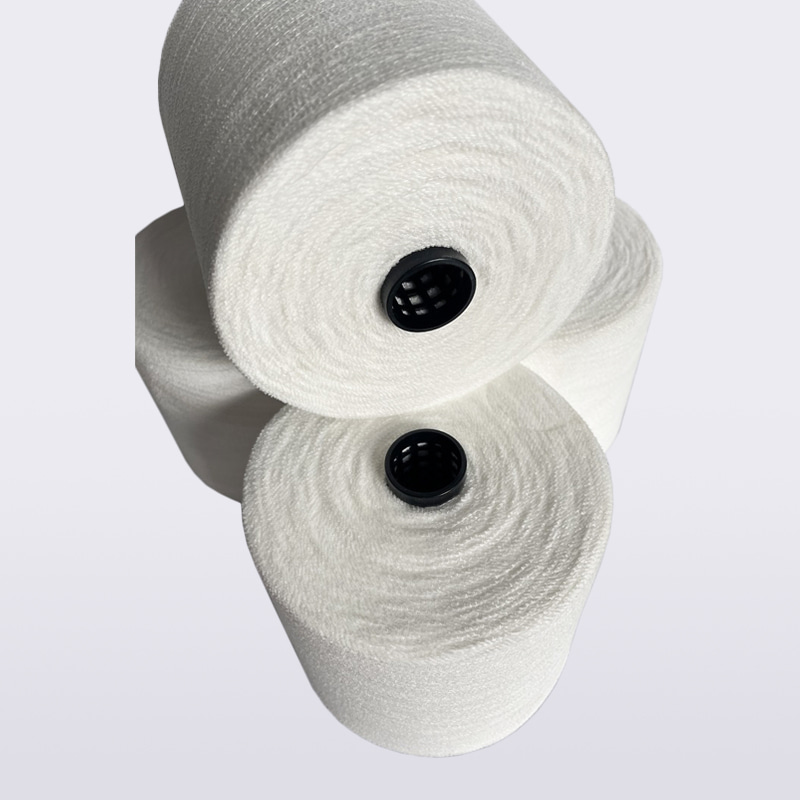
For crafters and textile manufacturers seeking a blend of opulent texture and cozy warmth, chunky knit chenille yarn stands out as a premier choice. This specialized yarn combines the plush, velvety feel of traditional chenille with a substantial gauge, making it ideal for creating statement pieces that are as tactile as they are visually stunning. As a professional spinning and fabric factory with over 20 years of industry experience, Suzhou Aodejia Textile Technology Co., Ltd. understands the intricate balance between fiber quality, production technique, and final application. This guide delves deep into the world of chunky chenille yarn, offering expert insights to help you select, use, and appreciate this remarkable material for your next project or product line.
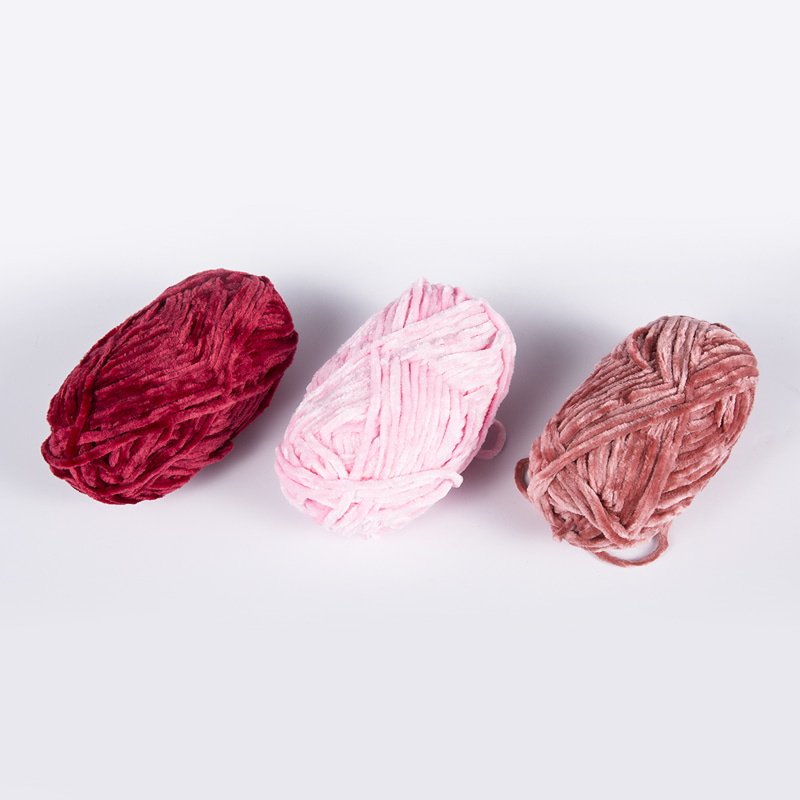
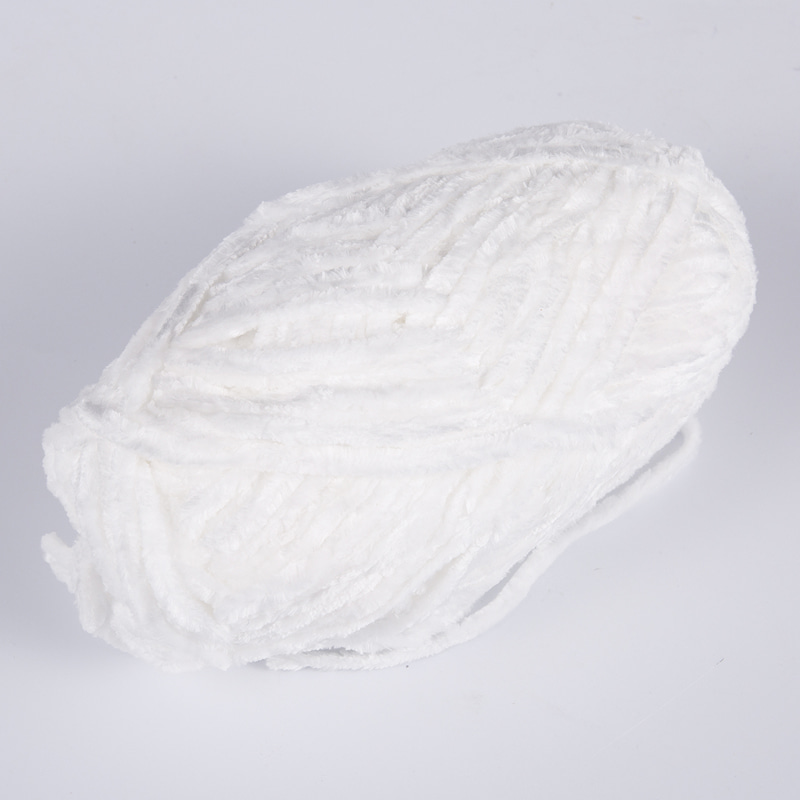
Chenille yarn is characterized by its distinctive soft pile that protrudes from all sides, resembling a caterpillar—hence its name, derived from the French word for caterpillar. The chunky variant is defined by its high linear density, resulting in a thicker, heavier yarn that works up quickly on large needles or by arm knitting. The construction involves a core thread wrapped by short lengths of pile fiber, creating its signature fluffy surface. The chunkiness amplifies the yarn's inherent properties, offering unparalleled loft and a dramatic, cozy texture perfect for cold-weather items and home decor.
The journey of chunky knit chenille yarn from skein to finished product showcases its remarkable adaptability. At Suzhou Aodejia Textile Technology Co., Ltd., our integrated production lines allow us to oversee this journey from spinning the yarn to weaving it into sophisticated fabrics.
For DIY enthusiasts and small-batch creators, this yarn is a dream medium.
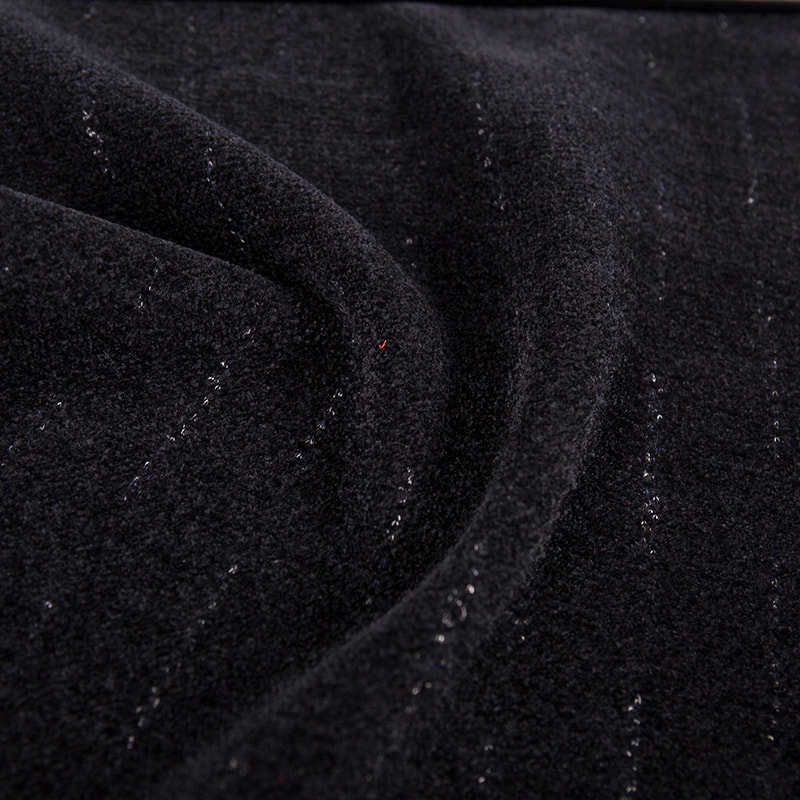
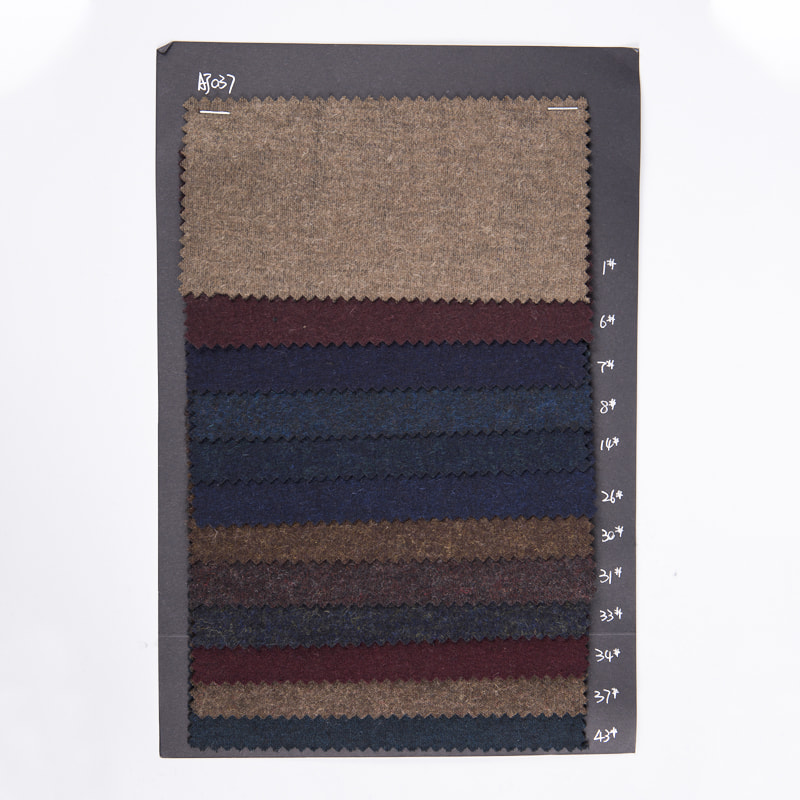
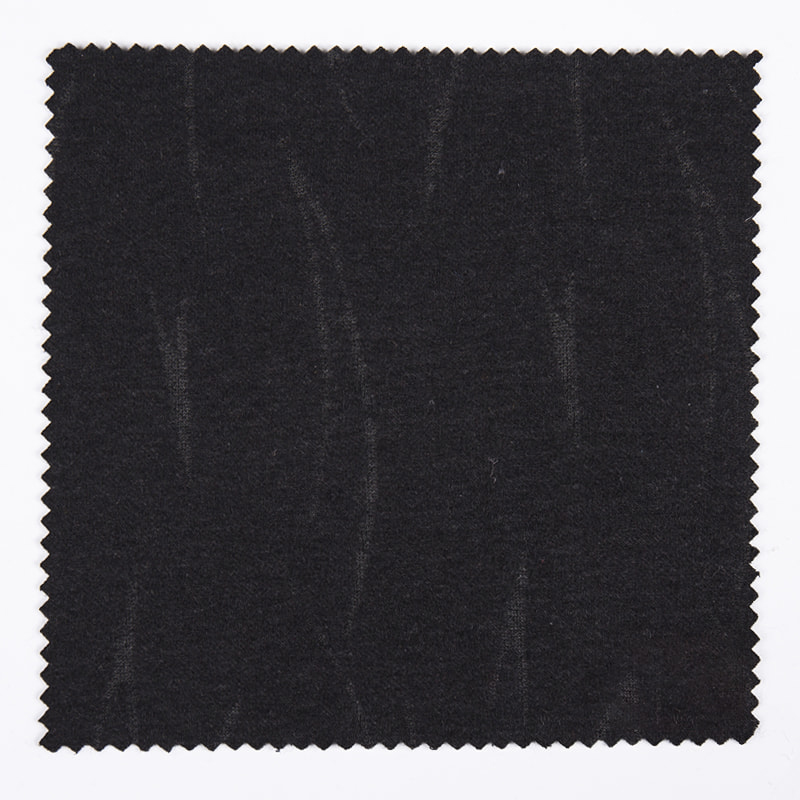
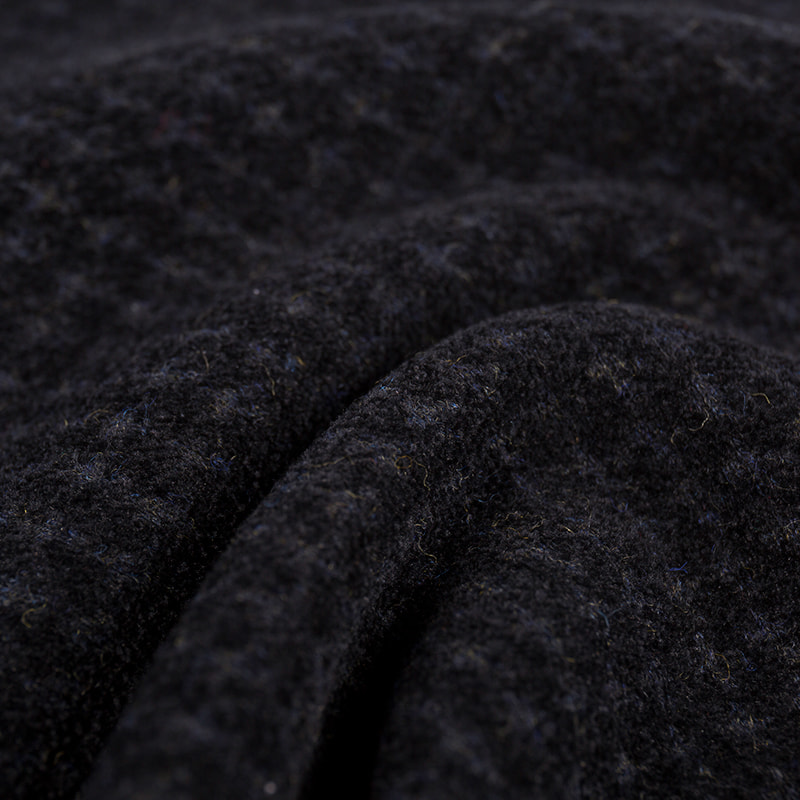
On a larger scale, this yarn is engineered into luxurious fabrics. Our factory's capability to produce both yarn and fabric ensures consistency and quality.
Not all chunky chenille yarns are created equal. Selecting the appropriate yarn requires understanding material composition, pile density, and twist integrity. This is where the expertise of a seasoned manufacturer like Suzhou Aodejia becomes crucial, as we control these variables from raw material to finished spool.
The fiber content determines the yarn's feel, care, and performance. Here’s a comparative look at common materials:
When comparing acrylic and cotton chenille, acrylic is often more affordable and colorfast, while cotton offers superior breathability and a natural feel. For a blend of luxury and warmth, wool-mix chenille is an excellent choice, though it may require more careful maintenance.
| Material | Key Properties | Best For | Considerations |
|---|---|---|---|
| Acrylic | Soft, color-vibrant, machine washable, hypoallergenic | Budget-friendly projects, baby items, frequently washed goods | Can be less breathable than natural fibers |
| Cotton | Breathable, durable, absorbent, natural sheen | Spring/Summer garments, home accessories, those with fiber sensitivities | Heavier weight, may stretch over time |
| Wool Blend | Exceptionally warm, resilient, moisture-wicking | Winter wear, heavy blankets, high-traffic upholstery | May require special cleaning (dry clean) |
| Polyester | Highly durable, pill-resistant, retains shape well | Upholstery, decorative pillows, items needing high durability | Less eco-friendly than natural options |
Beyond material, these factors define premium yarn:
While luxurious, chunky chenille can present unique challenges. Understanding tips for knitting with chunky chenille yarn is key to a successful and enjoyable crafting experience.
For those looking to use chenille yarn for amigurumi and plush toys, a tighter twist and higher pile density are recommended to withstand stuffing and handling. When it comes to maintenance, always check the yarn label. Generally, hand washing in cool water with mild detergent and laying flat to dry preserves the pile's integrity and prevents matting. For machine-washable yarns, use a gentle cycle in a mesh bag.
The advantages of sourcing from a factory like Suzhou Aodejia Textile Technology Co., Ltd., which integrates R&D, spinning, and weaving, are significant for businesses and large-scale projects.
Yes, it can be! Its thickness makes stitches easy to see and handle. Starting with easy chunky chenille scarf patterns using basic stitches is an excellent way for beginners to practice and achieve a beautiful, rewarding result quickly.
Shedding is often caused by loose fibers on the yarn's surface. To minimize it, opt for high-quality yarn with a secure pile. Before first use, placing the finished blanket in the dryer on a cool, air-only cycle (if the care label permits) can help remove loose fibers. Proper care during use, like avoiding sharp objects, also helps [1].
Absolutely. It creates wonderfully warm, soft cardigans, coats, and hats. Consider the garment's structure; simpler designs with minimal seaming work best. Also, factor in the care requirements—acrylic or cotton blends may be more practical for washable garments than wool blends requiring dry cleaning.
While both are soft, they are constructed differently. Chenille yarn has a piled surface that wraps around a core, giving it a fuzzy, dimensional texture from all angles. Velvet yarn typically has a short, smooth pile adhered to a thread, feeling more uniformly plush and less fuzzy. Chenille is often more textured and resilient in knitting.
For manufacturing purposes, prioritize consistency, durability, and specification adherence. Partner with an integrated manufacturer who can guarantee:
The production capacity and expertise of a factory like Suzhou Aodejia are critical for scalable, professional outcomes [2].
Chunky knit chenille yarn is more than just a crafting material; it's a gateway to creating deeply textured, comforting, and luxurious textiles. Whether you are an individual crafter exploring how to arm knit with chenille yarn or a business seeking reliable production of chenille fabric for upholstery and drapes, understanding its properties, applications, and quality markers is essential. With over two decades of expertise in spinning and weaving, Suzhou Aodejia Textile Technology Co., Ltd. embodies the professional-grade quality and service that can elevate projects from concept to exquisite reality. By choosing the right materials and techniques, you can fully harness the potential of this exceptional yarn.
[1] Smith, J. (2020). *Textile Care and Maintenance: A Practical Guide*. Textile Press. (Reference regarding minimizing shedding in plush fabrics).
[2] Suzhou Aodejia Textile Technology Co., Ltd. (2024). *Integrated Manufacturing Processes for Quality Yarn and Fabric*. Internal Technical White Paper. (Reference regarding manufacturing consistency and scalability).
Related Products

© 2024 Suzhou Aodejia Textile Technology Co., Ltd. All Rights Reserved.





 English
 Español