2026-03-24
Content
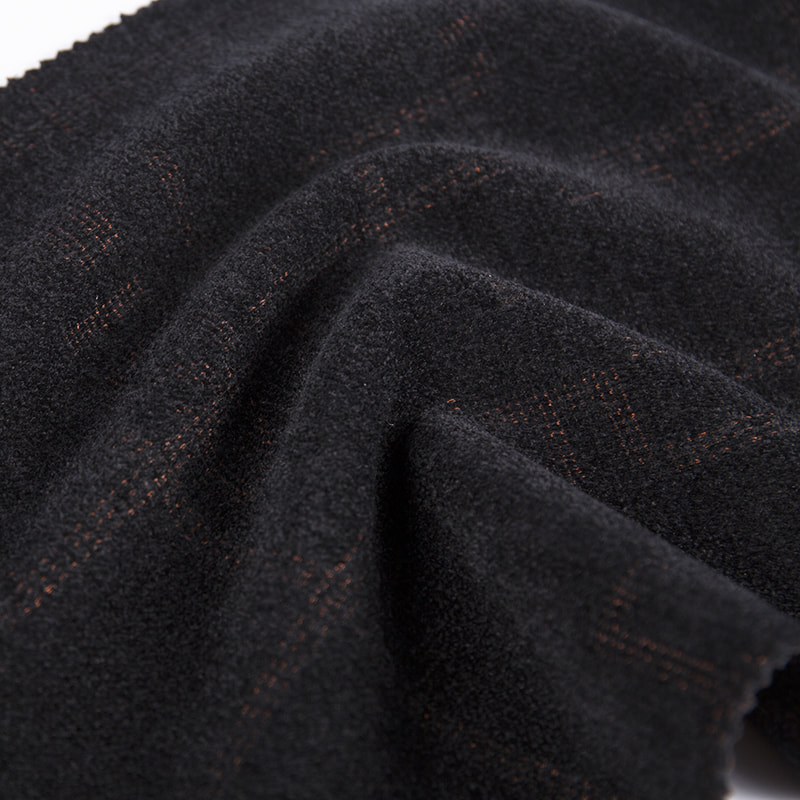
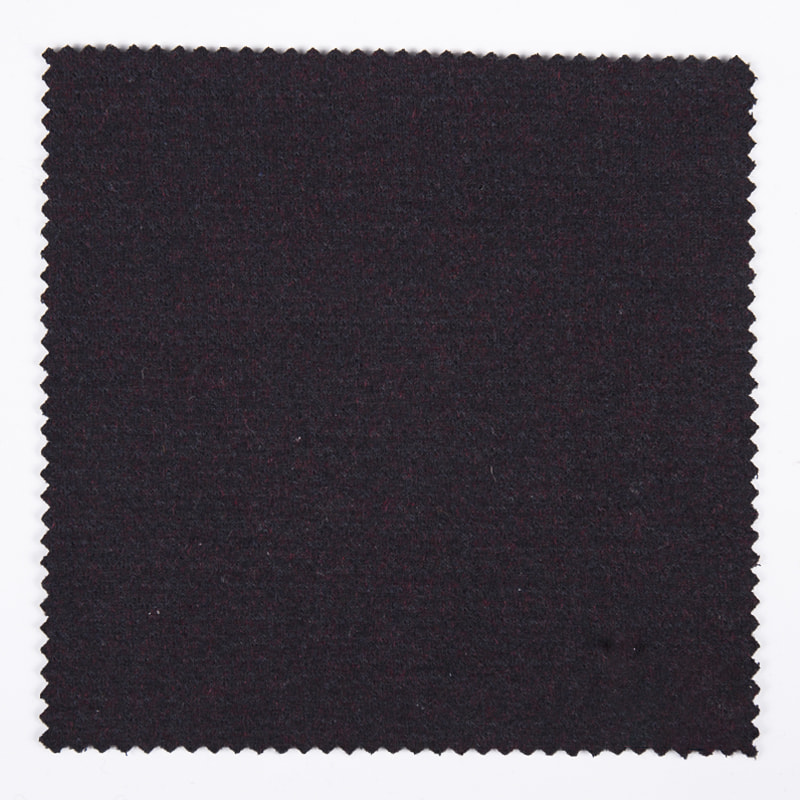
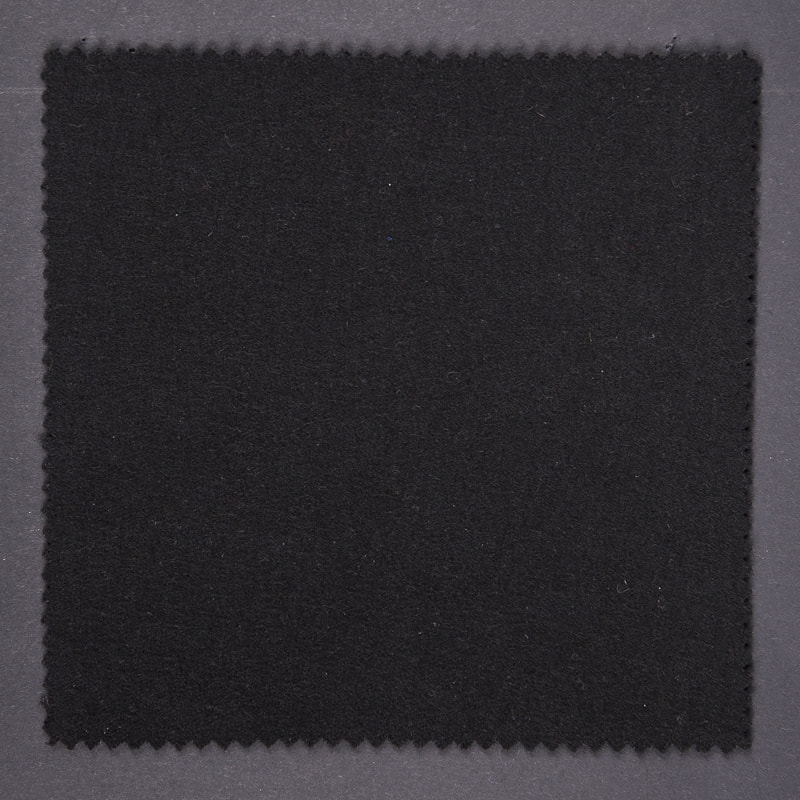
The selection of raw materials determines the performance of the final textile. Engineers analyze fiber morphology and yarn geometry to predict fabric behavior. Knitting Wool Fabric is a versatile material used in various industries, from high-fashion apparel to functional home textiles. The technical advantage of wool lies in its natural crimp, which provides bulk and insulation.
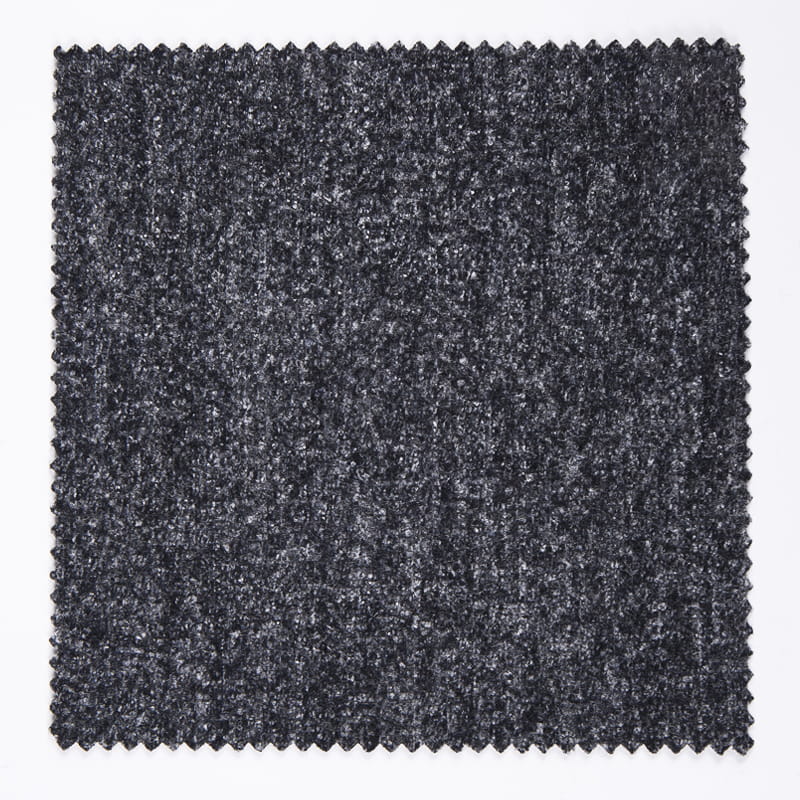
Soft wool blend knit fabric is an engineering solution to the common issue of wool prickle. Pure wool can sometimes feel rough against the skin due to coarse fiber diameters. By blending wool with synthetic fibers like acrylic or natural fibers like cotton, manufacturers create a material that retains warmth but improves hand feel. The technical metric for softness is often measured by the fiber diameter in microns. Blends allow for a consistent micron average, reducing the variability found in pure wool. This fabric is ideal for base layers and accessories that require direct skin contact.
| Property | Pure Wool Fabric | Soft Wool Blend Knit Fabric |
| Fiber Diameter Consistency | Variable (Natural) | Controlled (Engineered Blend) |
| Hand Feel | Can be prickly | Smooth and soft |
| Pilling Resistance | Lower | Higher (due to synthetic reinforcement) |
Stretch wool knitting fabric incorporates elastane or spandex fibers into the yarn structure. This addition fundamentally changes the mechanical properties of the textile. The primary benefit is the enhancement of elastic recovery. This means the fabric can stretch significantly under tension and return to its original shape without permanent deformation. Engineers evaluate the "elongation at break" and the "elastic recovery rate" to ensure the fabric meets the standards for fitted garments. This material is essential for suits and active wear where freedom of movement is required.
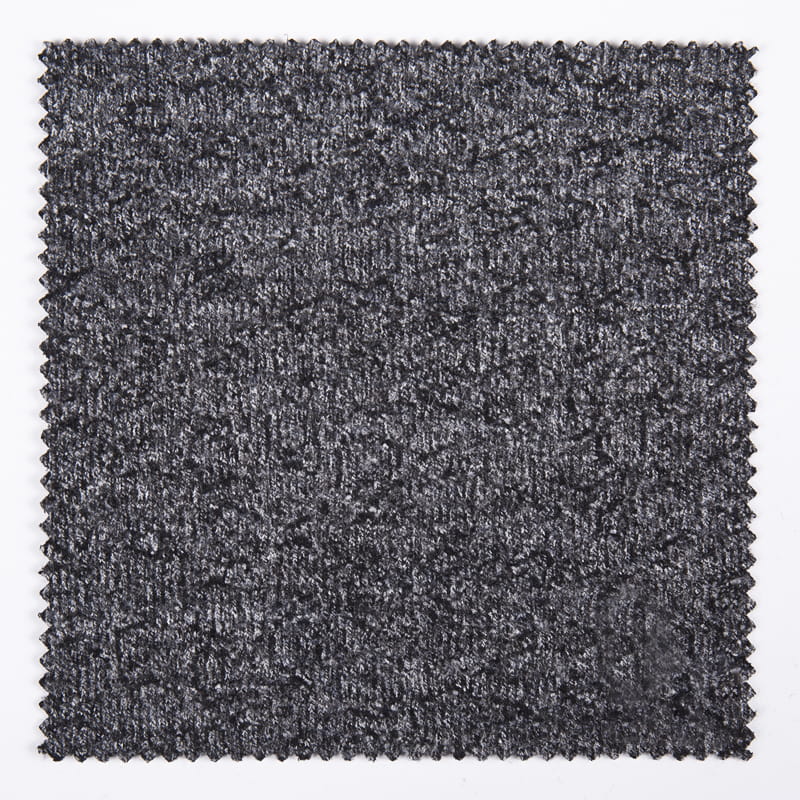
Different applications require specific fabric weights and construction methods. The weight of the fabric, usually measured in grams per square meter (GSM), dictates its suitability for different seasons.
Lightweight wool knit fabric is produced using finer yarn counts and tighter knitting gauges. The engineering challenge here is to maintain fabric stability while reducing mass. This fabric offers excellent thermoregulation, keeping the wearer cool in warm environments. The porous structure allows for efficient moisture vapor transmission. This makes it a prime choice for transitional season clothing and high-end layering pieces.
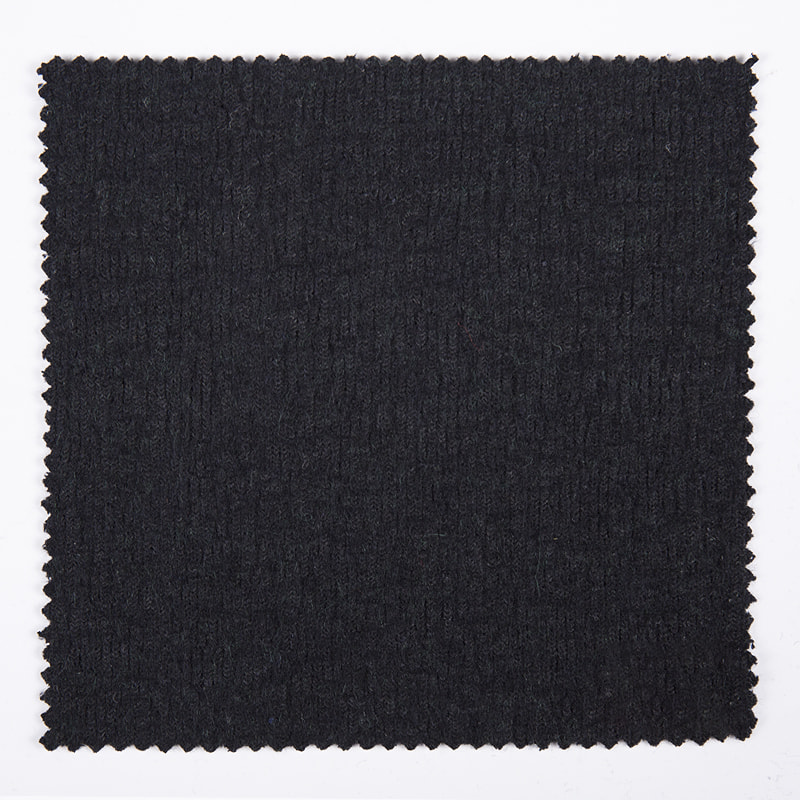
When sourcing knitted wool fabric for sweaters, the construction method is a critical factor. Sweaters often require specific knit structures like ribbing, cable knit, or jersey. Rib fabrics provide significant elasticity and are often used for cuffs and hems. Jersey structures offer a smooth surface ideal for prints. The choice of structure impacts the drape and silhouette of the final garment. Engineers must consider the shrinkage rate during the finishing process to ensure the final dimensions are accurate.
| Knit Structure | Visual Effect | Common Application |
| Rib Knit | Textured, vertical lines | Cuffs, collars, fitted sweaters |
| Jersey Knit | Smooth, flat surface | Light cardigans, printed sweaters |
| Cable Knit | Complex, rope-like texture | Heavy winter sweaters |
Finding a partner with vertical integration ensures quality control from the yarn stage to the finished fabric. The ability to customize yarn and weaving parameters is a hallmark of a professional manufacturer.
For designers and smaller brands, sourcing wool jersey fabric by the yard is a practical entry point. It allows for flexibility in design without the commitment of large production runs. When purchasing, buyers should request technical data sheets. These sheets provide information on shrinkage, color fastness, and abrasion resistance. Ensuring the fabric has been properly pre-shrunk is vital to avoid issues during garment washing.
Suzhou Aodejia Textile Technology Co., Ltd. is a professional spinning and fabric factory integrating R&D, production, and sales. As a China Dyed Yarn Suppliers and Custom Dyed Yarn Manufacturers, we Offer Dyed Yarn. And we have more than 20 years of industry experience and are well-known for high-quality fabrics and yarns. Providing customers with quality and efficient service is our work creed. Because of this, our professional production line has been established and developed for a long time. It can not only focus on the production of a variety of fancy yarns but also be widely used in the production of various fabrics. In terms of yarn, we can produce chenille, velvet, feather yarn, etc. In terms of fabric, we can weave rib fabrics, corduroy, chenille fabrics, wool fabrics, jacquard fabrics, plain or twill fabrics, etc. Obviously, having multiple production lines is the main advantage of our factory. We can produce a variety of yarns to meet the needs of fabric production. Based on our professional team, we also accept OEM or ODM. Believe us, the production capacity of our factory is beyond your imagination.
The versatility of Knitting Wool Fabric makes it a cornerstone of the textile industry. From the technical precision of stretch wool knitting fabric to the tactile comfort of soft wool blend knit fabric, the right material defines the success of the garment. Partnering with experienced manufacturers ensures that every yard of fabric meets the rigorous standards of the modern market.
Soft wool blend knit fabric combines the warmth of natural wool with the durability and softness of synthetic or plant-based fibers. This reduces the prickliness often associated with pure wool.
Stretch wool knitting fabric contains elastane fibers that allow the material to expand and contract. This ensures the garment fits the body closely without restricting movement.
Yes, lightweight wool knit fabric is highly breathable and possesses natural moisture-wicking properties. It helps regulate body temperature, making it comfortable for warmer weather.
When buying wool jersey fabric by the yard, you should check the fabric weight, fiber composition, and shrinkage rate. It is also important to verify the color consistency across different batches.
Knitted wool fabric for sweaters is inherently more elastic and provides better insulation due to its loop structure. Woven fabrics are generally stiffer and less comfortable for the relaxed fit required in sweaters.
Related Products

© 2024 Suzhou Aodejia Textile Technology Co., Ltd. All Rights Reserved.





 English
 Español