2026-04-22
Content
Textile engineers and sourcing professionals constantly evaluate raw materials for optimal garment performance. Knitting wool fabric remains a critical subject in this evaluation. Wool fibers offer a complex structure of overlapping scales. This natural architecture creates air pockets within the yarn. These pockets provide excellent thermal insulation. Manufacturers value this material because it regulates temperature effectively. The global supply chain relies on this material for high-end apparel production. We will explore the technical aspects of this textile in this guide.
Understanding the physical properties of wool helps buyers make informed sourcing decisions. Engineers measure wool performance through specific metrics. These metrics include fiber diameter, crimp frequency, and moisture regain. The fiber diameter directly affects the fabric's hand feel. Finer fibers produce softer fabrics. Crimp frequency determines the elasticity of the yarn. Higher crimp means better stretch recovery. Moisture regain is a unique advantage of wool. The fiber can absorb up to 30 percent of its weight in moisture vapor without feeling wet. This property makes the fabric highly breathable.
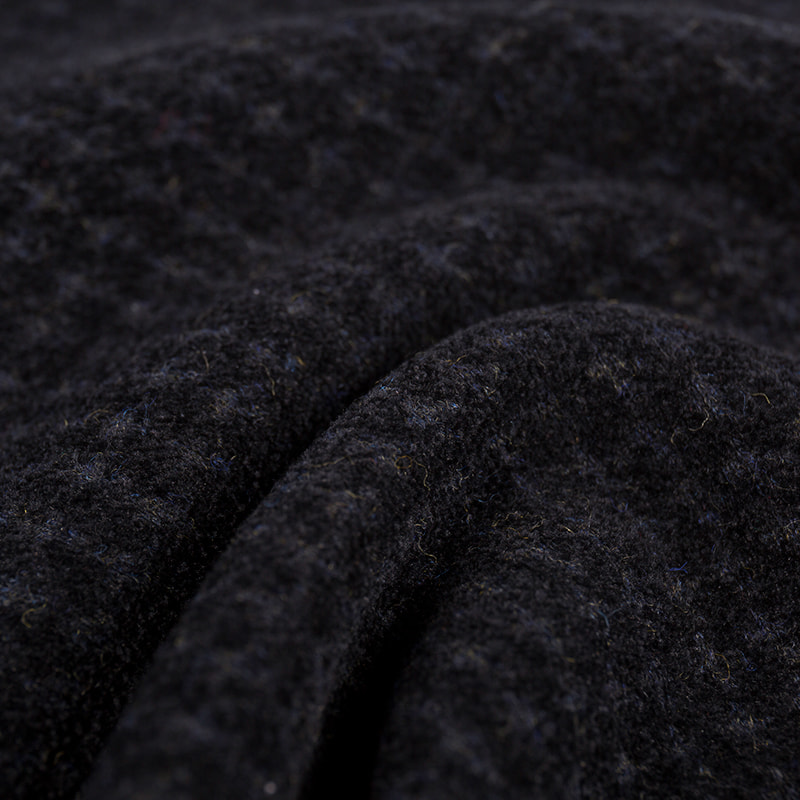
The structural composition of knitting wool fabric dictates its end-use applications. Wool consists of keratin proteins. These proteins contain sulfur-rich amino acids. This chemical composition gives wool its natural flame resistance. It also provides antibacterial properties. Sourcing teams must analyze the keratin quality when selecting bulk yarn. The protein structure resists mildew and dust mites. This extends the lifespan of the finished textile products.
Manufacturers use different knitting structures to achieve specific performance goals. The two primary categories are weft knitting and warp knitting. Weft knitting is more common for apparel. It creates highly elastic fabrics suitable for garments. Warp knitting creates dimensionally stable fabrics. This method works well for technical textiles and linings. The choice of knitting technique changes the mechanical behavior of the fabric completely.
Weft knitting offers several structural variations. Engineers typically choose between single jersey, rib, and purl structures. Single jersey produces a lightweight fabric with distinct front and back sides. Rib structures, like 1x1 or 2x2, offer maximum horizontal stretch. Purl structures create reversible fabrics with varied textures. Each variation impacts the drape and weight of the final product. Buyers must match the structure to the garment requirements.
Knitting gauge refers to the number of needles per inch. A higher gauge produces a denser, finer fabric. A lower gauge produces a bulkier, more open fabric. Knitting wool fabric manufacturers adjust the gauge to control fabric weight and thermal properties. Dense fabrics block wind more effectively. Open fabrics allow for higher breathability. Precision in gauge setting is crucial for maintaining batch-to-batch consistency in large-scale production.
B2B buyers face specific challenges when sourcing materials in large volumes. Wholesale knitting wool fabric procurement requires strict quality control protocols. Buyers must evaluate yarn evenness, tensile strength, and colorfastness before placing bulk orders. Factory audits are necessary to verify manufacturing capabilities. Sourcing professionals should request test reports from certified laboratories. These reports confirm that the material meets international textile standards.
Quality assurance starts at the raw fiber stage. Engineers test for vegetable matter content and fiber strength. During the knitting process, machines monitor tension and stitch formation. After production, fabrics undergo rigorous physical testing. Common tests include pilling resistance, shrinkage control, and abrasion resistance. Buyers should establish clear acceptable tolerance limits with suppliers before production begins.
Merino wool is a premium subset of wool fibers. Merino wool knitting fabric properties set a high standard in the textile industry. Merino fibers typically measure less than 24 microns in diameter. This ultra-fine diameter eliminates the prickly sensation associated with coarser wools. The fibers are highly flexible. They can bend thousands of times without breaking. This flexibility translates into exceptional garment durability.
Merino wool excels in moisture and thermal management. The fiber absorbs sweat from the skin and releases it into the atmosphere. This evaporation process cools the body in hot conditions. In cold conditions, the absorbed moisture generates heat through a process called heat of sorption. Athletes and outdoor apparel brands rely heavily on these specific thermal dynamics.
Wool textiles serve multiple sectors beyond traditional fashion. The material appears in activewear, hospitality, and automotive interiors. Different industries demand different fabric specifications. Activewear requires lightweight, high-stretch constructions. Hospitality requires durable, machine-washable fabrics. Automotive applications need stringent flame-retardant ratings.
The requirements for fashion and technical textiles differ significantly. Fashion applications prioritize hand feel, drape, and visual aesthetics. Technical textiles prioritize functional performance metrics like tensile strength and thermal resistance. Buyers must clearly define their target market before selecting a fabric construction. A fabric designed for a winter coat will fail in an activewear application.
Heavyweight wool knits serve vital roles in industrial environments. Heavyweight wool knit fabric for industrial use provides exceptional protection against cold and moderate heat. These heavy knits use thicker yarns and lower gauge machines. The resulting fabric acts as a thick insulator. Industrial workers in cold storage facilities use these materials for thermal uniforms. The fabric also resists ignition, adding a layer of safety in hazardous work environments.
Proper maintenance extends the life of wool textiles. Incorrect washing is the primary cause of wool garment damage. Wool requires gentle handling and specific pH-neutral detergents. High temperatures and aggressive agitation cause fiber felting. Felting shrinks the fabric permanently and destroys the texture. Care labels must reflect accurate, tested washing parameters.
Consumers and commercial laundry operations must follow strict protocols. How to care for wool knit fabric properly involves three main rules: low temperature, minimal agitation, and flat drying. Machine washing is possible only if the fabric carries a superwash treatment. Superwash wool undergoes a chemical process to remove the fiber scales. This treatment prevents felting. Untreated wool requires hand washing in cold water. After washing, garments must lie flat on a towel to dry. Hanging wet wool distorts the garment's shape due to the heavy water weight.
Textile engineers compare different knitting structures based on specific performance metrics. The structure directly influences the stretch, durability, and insulation of the fabric. Weft-knitted structures generally offer superior stretch. Warp-knitted structures provide better dimensional stability. The following comparison highlights the technical differences between common weft-knitted structures used in wool production.
| Structure Type | Stretch Profile | Dimensional Stability | Thermal Insulation | Primary Application |
| Single Jersey | Moderate (30% width) | Low (prone to curling) | Low to Medium | Lightweight T-shirts, Base layers |
| 1x1 Rib | High (100% width) | Medium | Medium | Cuffs, Neckbands, Form-fitting tops |
| 2x2 Rib | High (80% width) | Medium | Medium to High | Sweaters, Sleeves, Bottom hems |
| Interlock | Low (10% width) | High (does not curl) | High | Mid-weight jackets, Uniforms |
Woven wool fabric uses two sets of yarns crossed at right angles. This creates a rigid structure with very little stretch. Knitted wool fabric uses a single yarn formed into interlocking loops. This loop structure provides inherent stretch and excellent drape. Knitted constructions are better for close-fitting garments, while woven constructions suit tailored outerwear.
Yes, manufacturers can spin recycled wool fibers into new yarn. The recycling process involves mechanically shredding post-consumer or post-industrial wool garments. This process shortens the fiber length. Engineers often blend these recycled fibers with virgin wool to maintain adequate tensile strength for the knitting machines.
Pilling occurs when loose fiber ends migrate to the fabric surface during wear and washing. Friction causes these loose fibers to tangle into small balls. Shorter fibers and softer spun yarns are more susceptible to pilling. Fabric engineers use singeing treatments or tighter spinning methods to reduce pilling in finished textiles.
Yes, wool knit fabric is suitable for summer when manufacturers use fine micron wool and loose gauge constructions. Ultra-fine Merino wool knits wick moisture away from the skin rapidly. The highly breathable construction allows air circulation. This natural cooling effect makes lightweight wool knits effective for hot-weather apparel.
Related Products

© 2024 Suzhou Aodejia Textile Technology Co., Ltd. All Rights Reserved.





 English
 Español