2026-08-17
Content
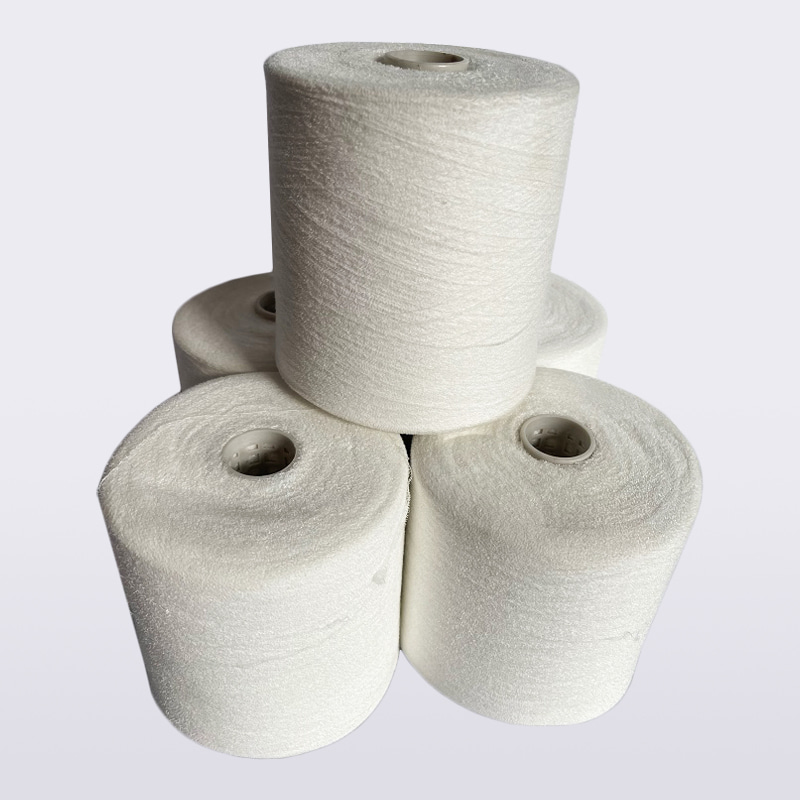
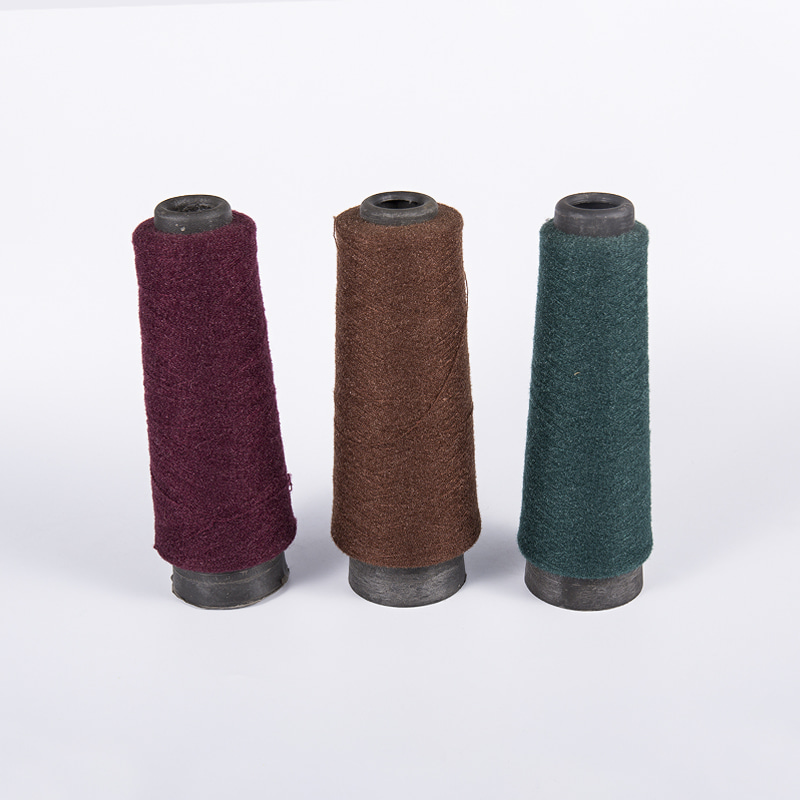
Feather yarn is a novelty yarn celebrated for its soft, fluffy texture and decorative appeal. Its construction involves a core thread and protruding fibers, or "feathers," that give it a distinct aesthetic. However, many crafters and manufacturers encounter a common issue: shedding. Understanding why feather yarn loses its feathers is crucial for maintaining the quality of finished products, ensuring customer satisfaction, and optimizing manufacturing processes. This article examines the structural and external factors that contribute to this phenomenon, offering actionable insights for prevention and care.
The fundamental reason feather yarn sheds lies in its unique manufacturing process. This yarn is typically produced using a "knitting and cut velvet" technique, often described as "one needle, one knife" [citation:6]. The process involves knitting a core thread and a decorative thread together. The decorative thread is then cut by a blade to create the characteristic "feathers" or protruding fibers [citation:6].
This construction means the feathers are not woven into the core but are held in place by the knit structure. While this design creates a voluminous, plush surface, it also creates a point of vulnerability. The fibers are secured primarily by tension and the interlocking of the knit, not by a chemical bond or a tight weave. This inherent structure means that some fiber loss is almost inevitable, especially under stress.
The raw materials used significantly influence shedding behavior. Feather yarn can be made from various materials, including 100% nylon, 100% polyester, or blends of polyester and nylon [citation:2][citation:6]. While these synthetic fibers are durable, their smooth surfaces can make it easier for them to slip out of the core structure compared to more textured natural fibers.
The length of the "feathers" and the density of the knit also play a role. Longer, looser feathers are more prone to snagging and being pulled out, while shorter, densely packed fibers are more secure.
Several external factors can exacerbate the inherent tendency of feather yarn to shed. These can be categorized into manufacturing variables, user handling, and environmental conditions.
| Factor | Impact on Shedding |
|---|---|
| Twist Pattern | Insufficient twist can lead to poor fiber retention [citation:6]. |
| Skein Weight | Heavy skeins (e.g., over 0.25 kg) can cause fiber "spending" or loss during processing [citation:6]. |
| Deburring Process | Inadequate preparation for deburring can result in serious fiber loss [citation:6]. |
While some shedding is normal, especially with initial handling, excessive shedding can be prevented through careful practices during manufacturing, crafting, and end-use.
Yes, some shedding is normal, particularly with initial handling or cutting. However, excessive or continuous shedding indicates a problem with the yarn construction, fiber quality, or care method.
You cannot stop shedding entirely due to the yarn's cut-fiber construction, but you can significantly reduce it by using a tight gauge, handling it gently, and following cold-wash care instructions.
Yes. While synthetic fibers like nylon and polyester are common, their smooth texture can make them more prone to slipping out of the core compared to textured fibers. The quality of the fiber and the manufacturing process are more critical [citation:2][citation:6].
Yes. Exposure to hot water, vigorous agitation, or drying in a machine can damage the fibers and loosen the core structure, leading to increased shedding [citation:4].
Hand wash in cold water with a mild detergent, do not wring or twist, and lay flat to dry away from direct sunlight [citation:4].
Absolutely. Higher-quality feather yarn uses better fiber and has a more secure knit structure, resulting in less shedding. Products with consistent twist and proper processing perform better [citation:6].
Yes. Adjusting the twist pattern, ensuring proper frame length, controlling skein weight, and carefully managing the deburring process can all significantly reduce shedding [citation:6].
Related Products

© 2024 Suzhou Aodejia Textile Technology Co., Ltd. All Rights Reserved.





 English
 Español