2025-12-05
Content
In the ever-evolving world of textiles, few materials manage to retain a position of both timeless elegance and modern relevance. Knit wool fabric stands as a prime example of this rare duality. This year, a confluence of factors—from a renewed global focus on sustainability and comfort to significant advancements in textile technology—has propelled knit wool from a classic winter staple to a year-round essential for the discerning individual. Its unique construction, where loops of yarn are interlocked, grants it an inherent elasticity and breathability that woven fabrics simply cannot match. This foundational characteristic opens the door to unparalleled comfort, dynamic aesthetics, and practical performance. As we delve deeper into the specific qualities and applications of knit wool, it becomes clear that its resurgence is not a passing trend but a informed return to quality, versatility, and conscious consumption. The following sections will explore the multifaceted nature of knit wool fabric, providing a comprehensive understanding of its benefits, ideal uses, and the key considerations for selecting the perfect type for your needs.
To fully appreciate why knit wool fabric is indispensable, one must first understand its core attributes. The knitting process creates a structure that is fundamentally different from weaving. This looped formation is the source of its most celebrated benefits.
The natural structure of wool fiber is a marvel of temperature regulation. Each wool fiber contains tiny pockets of air, and the knit construction further amplifies this property by creating millions of additional air chambers within the fabric itself. This makes breathable knit wool for layering an exceptional concept. Unlike many synthetic insulators that can trap heat and moisture, leading to discomfort, knit wool actively manages both. It wicks moisture vapor away from the body before it can turn into liquid sweat, keeping you dry. Simultaneously, the still air within the fabric provides excellent insulation against the cold. This dynamic climate control allows a garment to function across a wider range of temperatures, making it perfect for variable weather and active lifestyles. For instance, a medium-weight knit wool sweater can provide comfort on a cool autumn day, serve as an effective mid-layer under a coat in winter, and even be comfortable in a climate-controlled indoor environment without causing overheating.
A common misconception is that all wool is delicate and difficult to maintain. Modern knit wool, especially in specific blends and constructions, defies this notion. Wool fibers are naturally resilient and elastic; they can bend thousands of times without breaking and will return to their original shape much better than many other fibers. This translates to garments that resist wrinkles and sagging, maintaining their polished look throughout the day. When considering easy care wool knit blends, the advantages multiply. Blending wool with a small percentage of high-quality synthetic fibers like nylon or polyester can significantly enhance the fabric's tensile strength, reduce pilling, and simplify washing instructions. These blends often become machine-washable, removing the perceived barrier of professional cleaning. The durability of knit wool means it is an investment—a well-cared-for knit wool piece can last for decades, outliving countless fast-fashion alternatives and proving its value over time.
Not all knit wool is created equal. The variety available today caters to every possible need, from rugged outdoor performance to refined office attire. Knowing the different weights and blends is key to making an informed choice.
The weight of a knit wool fabric, often measured in grams per square meter (GSM) or simply referred to as gauge, directly dictates its warmth and ideal use. The market offers a spectrum to suit all needs, and understanding this range is crucial. For example, a lightweight merino wool knit for travel is typically fine (under 200 GSM), incredibly soft against the skin, and offers excellent moisture-wicking with minimal bulk. It's the ideal choice for base layers, lightweight sweaters for spring and fall, or travel pieces that need to pack small and perform well. On the opposite end, a chunky, heavy-gauge knit (over 400 GSM) provides substantial warmth and makes a bold aesthetic statement, perfect for cold winter days and casual settings.
To illustrate the differences clearly, consider the following comparison of common knit wool weights:
| Fabric Weight | Typical Gauge | Best For | Seasonal Use |
|---|---|---|---|
| Ultra-Lightweight | Fine (under 150 GSM) | Base layers, delicate scarves, formal knitwear | Year-round, especially as an underlayer in winter or solo in cool summers. |
| Lightweight | Light (150-200 GSM) | Travel sweaters, cardigans, office-appropriate knitwear | Spring, Autumn, and indoor wear in Winter. |
| Medium-Weight | Medium (200-300 GSM) | Standard sweaters, hats, gloves, everyday winter wear | Late Autumn through early Spring. |
| Heavy-Weight | Chunky/Bulky (300-400+ GSM) | Cold-weather sweaters, thick blankets, outdoor scarves | Deep Winter, very cold climates. |
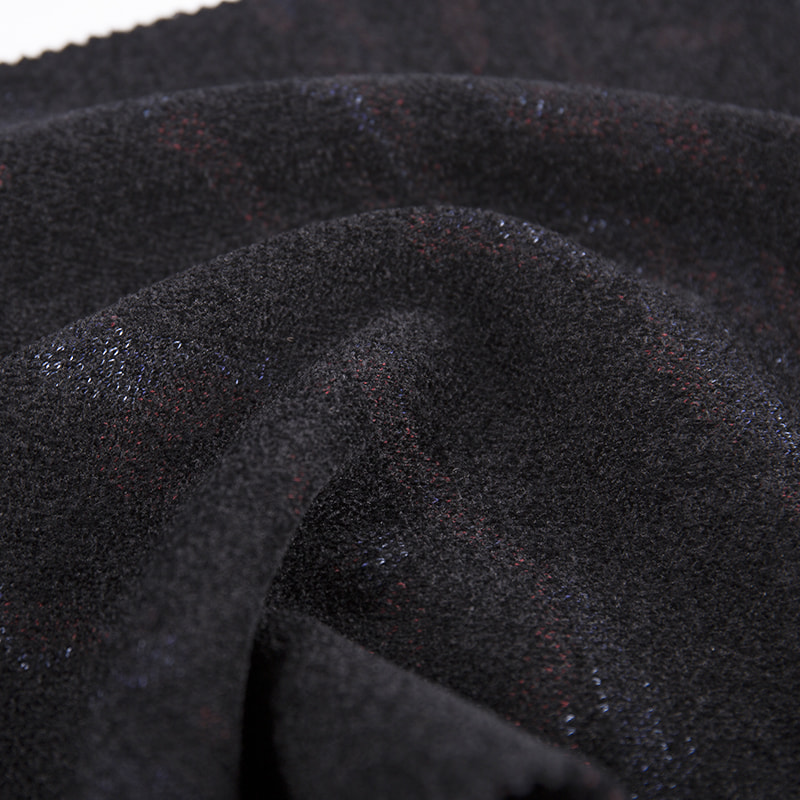
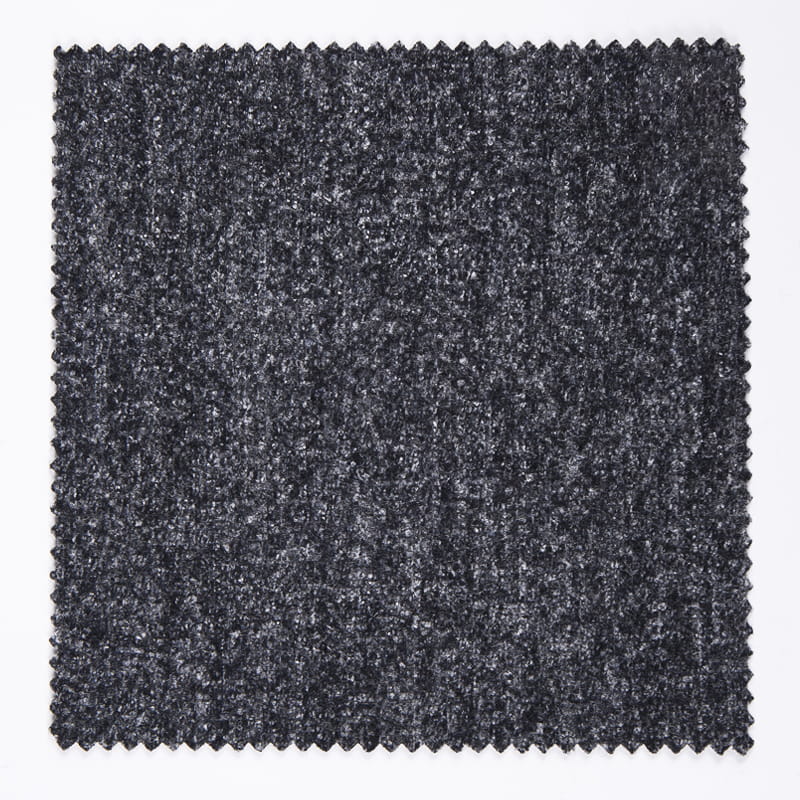
Beyond pure wool, innovative blends have expanded the functionality of knit fabrics. As mentioned, easy care wool knit blends with synthetics offer robustness and simplify maintenance. Another significant category is the blend with other natural fibers. For instance, mixing wool with silk adds a subtle luster and drape, elevating the fabric's elegance. A wool-cashmere blend increases softness and luxury feel at a more accessible price point than pure cashmere. For those seeking specific textures, knitted wool fabric with a soft brushed finish is a sought-after option. This finishing technique, where the surface of the knit is gently raised, creates an ultra-soft, fuzzy nap that enhances warmth, comfort, and gives the fabric a cozy, rustic appearance. This finish is particularly popular in loungewear, winter accessories, and casual sweaters where tactile comfort is paramount.
The versatility of knit wool fabric is one of its strongest selling points. It seamlessly bridges the gap between casual and formal, and between classic and contemporary styles.
While sweaters are the most iconic application, knit wool's use is far more extensive. Its drape and comfort make it an excellent choice for dresses, skirts, and wide-leg trousers, offering both style and unparalleled ease of movement. In the realm of accessories, knit wool shines. A chunky knit wool blanket scarf is not just an accessory; it's a versatile piece of functional art. It can be worn in numerous ways—draped, wrapped, or even used as a small shawl—and provides immense warmth. Furthermore, the aesthetic of knit wool in home decor cannot be overlooked. Cushion covers, throws, and even upholstery made from knit wool add texture, warmth, and a inviting, organic feel to any living space. The fabric's ability to add dimensional interest through its very structure makes it a favorite for interior designers aiming to create cozy, layered environments.
The key to styling knit wool lies in playing with texture, proportion, and color. A lightweight merino wool knit turtleneck serves as a perfect sleek base layer under a slip dress or a tailored blazer, adding warmth without bulk. For a modern twist, try layering a fine-knit wool vest over a long-sleeve shirt or under an oversized cardigan. The contrast between the delicate knit and other fabrics creates visual depth. When working with chunkier knits, balance is essential. Pair a bulky knit sweater with streamlined, tailored trousers or a slim-fit skirt to avoid adding excessive volume to your silhouette. The inherent texture of knit wool, especially those with a cable, rib, or waffle pattern, means it often requires minimal additional adornment. Simple jewelry and clean lines in the rest of your outfit allow the fabric itself to be the statement piece.
Making an informed decision about knit wool involves understanding how to care for it and recognizing its long-term value, both economically and environmentally.
Proper care ensures your knit wool garments retain their beauty and function for years. Always check the care label first. For hand-washing, use cool water and a dedicated wool detergent. Avoid wringing or twisting the wet fabric; instead, gently press out water and lay it flat on a clean towel to dry, reshaping it to its original dimensions. This prevents stretching. For easy care wool knit blends labeled as machine-washable, use a gentle, cold-water cycle and place the garment in a mesh laundry bag for protection. Always air dry; direct heat from a tumble dryer is the primary cause of shrinkage and felting. Storage is equally important. Clean garments before storing them for the season, as moths are attracted to soiled fibers. Fold heavy knits instead of hanging them to prevent distortion, and use cedar blocks or lavender sachets as natural moth deterrents.
In an era of conscious consumption, knit wool presents a compelling case. Wool is a renewable resource—sheep grow a new fleece every year. It is also biodegradable, breaking down naturally in soil and releasing valuable nutrients, unlike synthetic microplastics that pollute ecosystems. High-quality knit wool epitomizes the "slow fashion" movement. Its durability discourages disposable purchasing habits. Investing in a well-made knit wool garment often means buying less frequently, reducing your overall environmental footprint. When selecting knit wool, looking for certifications related to animal welfare and sustainable land management can guide you toward more ethical choices. Ultimately, choosing knit wool is not just a decision for personal style and comfort; it is a step toward supporting a more sustainable and responsible textile cycle, making that chunky knit wool blanket scarf or timeless sweater a purchase you can feel good about for seasons to come.
Related Products

© 2024 Suzhou Aodejia Textile Technology Co., Ltd. All Rights Reserved.





 English
 Español