2026-09-17
Content
A magic ring should close in ten seconds. With the wrong chenille yarn, it takes three attempts - and on the final pull the core snaps clean through. That failure is why many crocheters give up on chenille for amigurumi, even though no other fiber creates such a soft, squishable plushie.
Chenille yarn is a pile yarn: short cut fibers are held between twisted core threads, producing a velvet-like surface. The same structure that makes it cloud-soft also creates the two classic amigurumi problems - invisible stitch definition and core snapping. The best chenille yarn for amigurumi solves both while keeping the plush feel, and the selection criteria are measurable.
Chenille yarn is a pile yarn with short fiber tufts trapped around a twisted core. Its amigurumi performance depends on four variables: ply count, core twist tightness, fiber content, and yarn weight.
Roll the yarn between your fingers. If you cannot feel a distinct twisted core, the yarn was built for blankets, not amigurumi.
The best chenille yarn for amigurumi is a plied 100% polyester yarn in a chunky-to-super-bulky weight, with a tight core twist and a pile short enough to leave every single crochet visible.
Four structural attributes separate amigurumi-grade chenille from decorative blanket yarn. Each one changes how the finished piece behaves when you stuff it, squeeze it, and embroider its face.
For a first chenille plushie, choose a 4-ply 100% polyester chunky chenille around 120 m per 100 g. It is forgiving enough to learn the tension, and its stitch grid stays visible while you work.
| Attribute | Effect on the finished plushie | What to check before buying |
| Ply count | More plies mean a stronger core and fewer snapped rings | Look for 2-4 visible plies at the cut end |
| Core twist | Tight twist keeps the pile anchored and stitches aligned | Roll between fingers; the core should feel firm |
| Fiber base | Determines pilling, bounce, and wash durability | Choose 100% polyester for play-safe plushies |
| Weight | Controls stitch scale and stuffing show-through | Match the weight to the pattern gauge |
| Pile length | Long pile hides single crochets | Hold the yarn; tufts should not cover the core |
For most amigurumi patterns, chunky chenille at about 110-140 m per 100 g is the sweet spot: soft enough to hide stuffing, dense enough to show each single crochet.
Weight changes everything in amigurumi. The same stitch count made in jumbo chenille can take twice the stuffing of a chunky piece and still lose its shape, because the long pile hides the stitch structure that holds the form.
Stitch visibility by chenille weight for typical amigurumi use (1-5 scale, higher is clearer)
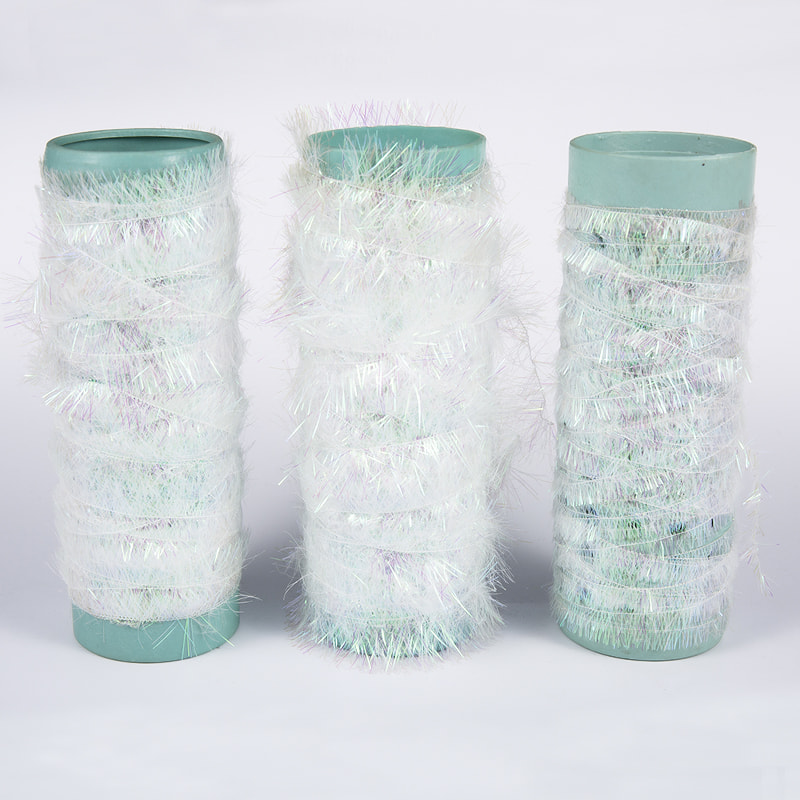
Thin chenille in the 23Nm range - often sold as velvet yarn - is the right scale for ears, tails, and doll clothing, because the stitch grid stays crisp at small sizes. When the pattern calls for a larger body to work up quickly, super chunky 100% polyester chenille made for crochet is the format most mills produce for exactly this job.
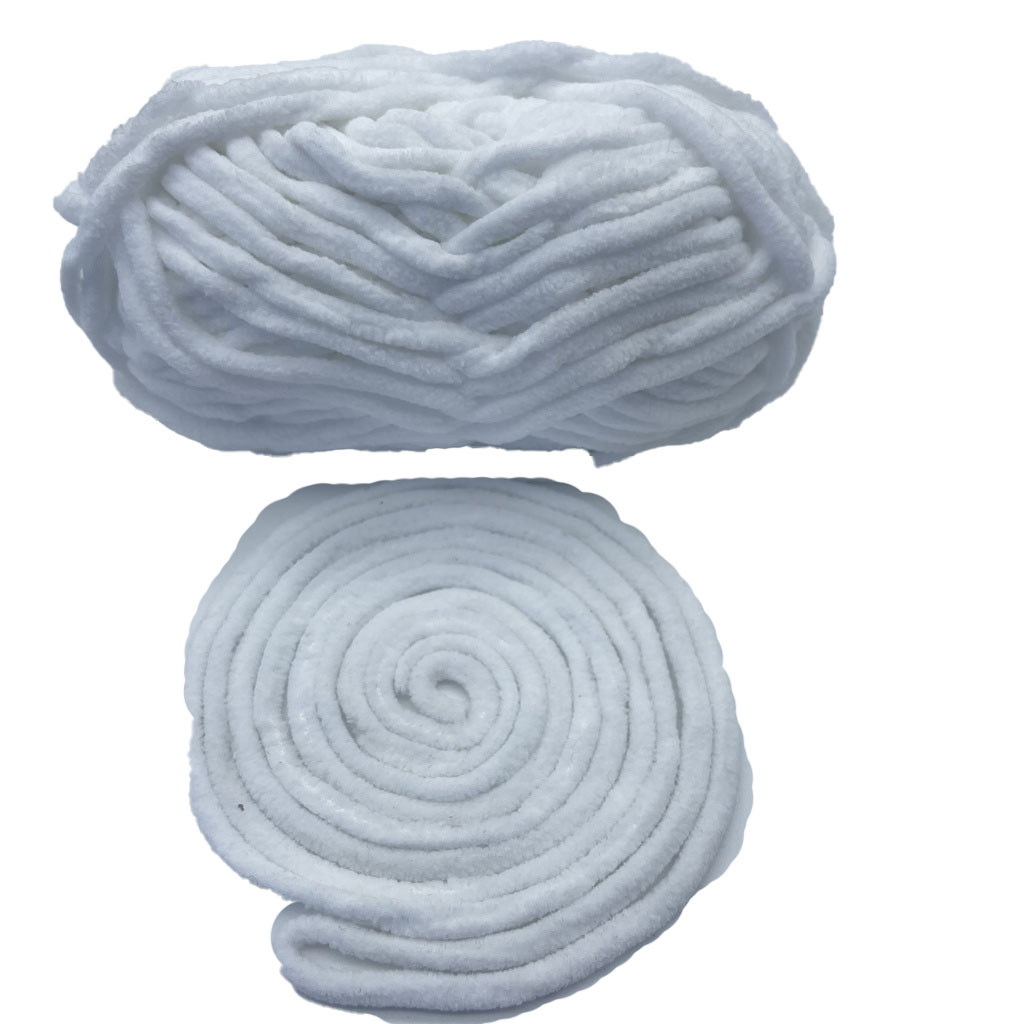 Super Chunky 100% Polyester Chenille Yarn for CrochetThis ultra-chunky yarn provides quick coverage for large amigurumi bodies. Its dense structure fills stitch openings, helping crocheters avoid the gaps that often appear when stuffing is added.View Product →
Go down one to two hook sizes from the band recommendation. A 6.0-6.5 mm hook for chunky chenille forces the core to fill the stitch opening, preventing the empty gaps that appear when you stuff.
Polyester chenille outperforms cotton, acrylic, and most blends for amigurumi because polyester fibers resist moisture, pilling, and compression far better over years of squeezing.
Cotton feels more natural, and some makers prefer its matte cast for animal toys, but cotton chenille has less elasticity, snaps more often under stitch tension, and sheds more pile at color changes.
Mill production data points the same way: polyester and polyester-blend chenille at 12Nm and 23Nm is the workhorse format for mass-produced crochet yarn because it runs consistently through winding, dyeing, and balling. Color selection also matters more than patterns admit: pastel chenille shows every dust fiber while you work, while heathered or two-tone chenille hides lint but makes stitch counting harder.
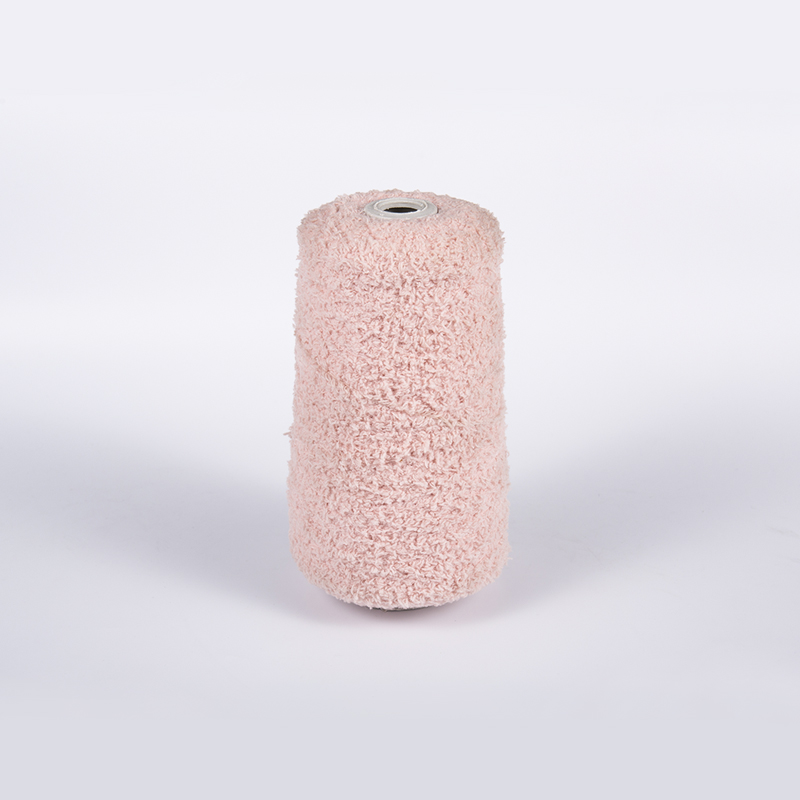
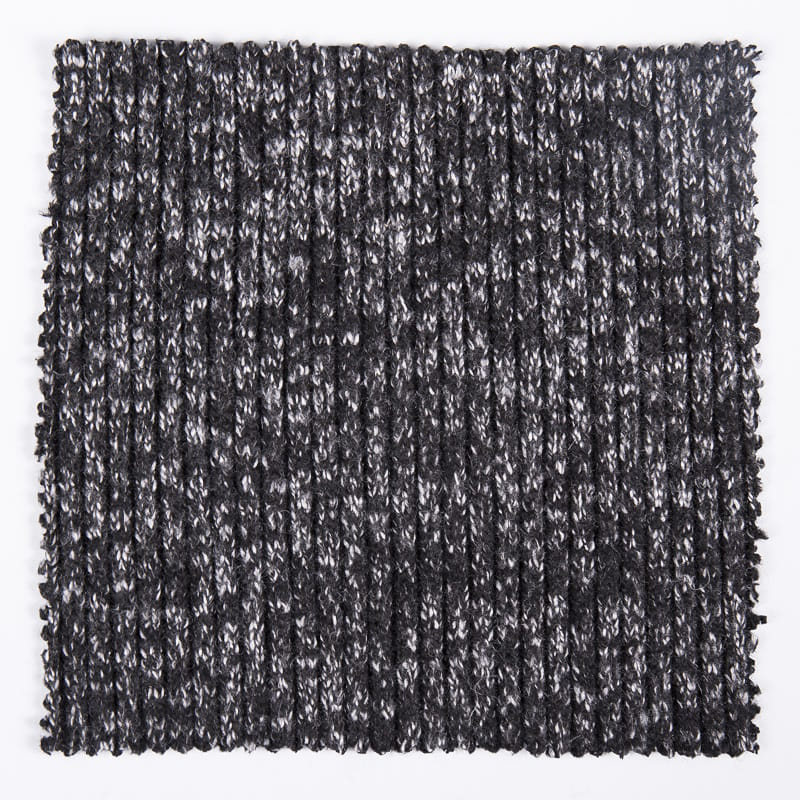
 Plush Velvet Chenille Crochet Yarn in PolyesterThis plush chenille yarn offers a soft, velvety touch with good stitch definition. It is noted for resisting pilling and deformation, making it a practical option for knitted items that face frequent washing.View Product →
Most chenille amigurumi failures trace back to three causes: a loose core twist, a single-ply structure, or a hook that splits the pile. All three are fixable at purchase time or with a simple gauge change.
| Problem | Root cause | Tested fix |
| Magic ring snaps | Single-ply core or overtight pull | Use 4-ply polyester chenille; tighten the ring in two steps |
| Stitches are invisible | Pile too long or yarn too bulky | Use chunky chenille with pile under 3 mm; go down a hook size |
| Hook splits the yarn | Hook tip grabs individual tufts | Use a blunt-tip hook and insert between tufts |
| Body stretches and sags | Overstuffing with a long pile | Stuff firmly, not tightly; work at a smaller gauge |
| Color changes look fuzzy | Pile escaping at joins | Join at open stitches; weave ends into the center |
One more detail makers miss: pile direction. When you fasten off and join a new ball, the tufts lean differently; pieces worked in the round hide this naturally, but flat-stitched ears and snouts show it. Align the tuft direction at the join and press the seam toward the inside.
If the core snaps mid-round, do not frog the whole piece. Cut the damaged loop, overlap the two ends by 8-10 cm, and crochet over the splice, guiding the tail through the center of the next stitches.
For kit makers and wholesalers, the best chenille yarn for amigurumi is the one a supplier can reproduce consistently across dye lots, with documented fiber content and stable twist.
When you order hundreds of cones, small differences in twist or count become large differences in finished plushie size. Serious bulk programs support custom colors, private-label packaging, and OEM development for amigurumi kit brands. Suzhou Aodejia Textile Technology Co., Ltd. (Aodejia Textile, adjtex.com) is one example: it runs dyeing and spinning lines for chunky chenille yarns and their fabric counterparts, so twist and color are controlled in the same facility.
A reliable chunky chenille yarn supplier should walk you through these four checks on a first call, not after you have committed to a container. Jumbo 100% polyester chenille is the most reordered bulk format for plush toy lines because it builds volume fast, and it is also the format that separates a serious supplier from a spot trader.
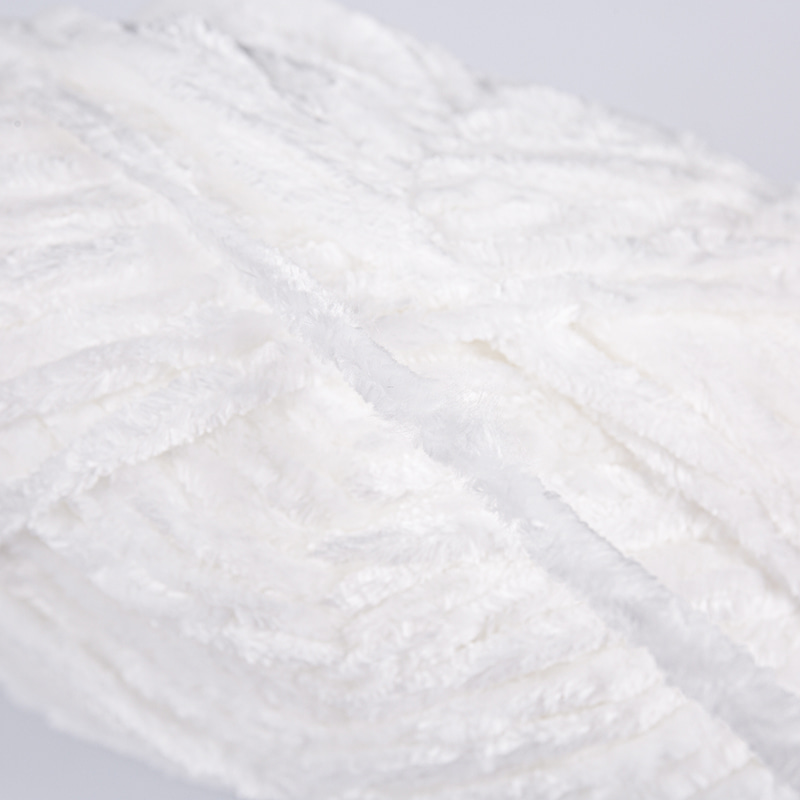 Thick Jumbo Chunky Chenille Yarn for Hand KnittingWith an extra-large diameter, this yarn builds bulk quickly for plush toys and winter accessories. Its wear-resistant polyester fiber helps finished pieces keep shape and luster through repeated use.View Product →
Ask for a cone-to-cone twist comparison. If twist varies by more than 10 percent between cones, stitch size will vary between plushies in the same production run.
A 4-ply 100% polyester chunky chenille around 110-140 m per 100 g. It shows stitches clearly, resists snapping, and forgives uneven tension. Start with a small animal pattern under 15 cm tall.
Snapping comes from a single-ply core or a loose twist. Switch to plied polyester chenille, work with a hook one size smaller than recommended, and avoid pulling the working loop hard against the hook shaft.
Yes. 100% polyester chenille plushies are hand-washable in cold water and dry flat without losing shape. Cotton-blend chenille shrinks more easily and should be spot-cleaned only.
Yes. Thin chenille around 23Nm keeps stitch definition on parts under 5 cm. Reserve super bulky and jumbo for 20 cm and larger bodies where the plush surface matters more than the stitch grid.
Let the pattern dictate the yarn. Small parts need thin chenille, large bodies need chunky, and every plushie needs a plied core.
Related Products

© 2024 Suzhou Aodejia Textile Technology Co., Ltd. All Rights Reserved.





 English
 Español