2026-09-10
Content
No label. No ball band. No memory of the shop or the project it came from. Every crafter's stash hides at least one mystery skein, and the question is always the same: is this a fine thread or a chunky one? Getting the weight right before you cast on determines whether a garment fits, drapes, and wears the way you intended. That makes learning how to determine yarn weight the first real skill any knitter or crocheter needs.
Yarn weight is the single biggest factor in whether a finished piece looks and behaves the way you designed it.
Weight dictates the needle or hook size you choose, the number of stitches per inch, how much yarn the pattern will consume, and how the finished fabric drapes. A pattern calling for medium weight yarn assumes a specific gauge range of 16 to 20 stitches per 4 inches on US 7 to 9 needles. If you substitute a bulky weight, your gauge drops dramatically, and the project becomes larger and denser than intended.
Weight also affects yardage. A worsted weight sweater might use 800 yards of yarn, while the same pattern in bulky yarn might need only 500. Swapping to a heavier weight without recalculating can leave you short of material halfway through a row.
The Craft Yarn Council's Standard Yarn Weight System defines eight numbered categories from 0 to 7.
This system is the common language between yarn manufacturers, pattern designers, and crafters. Each category has an official name, a typical gauge range, and recommended tool sizes. Knowing these categories lets you classify any yarn without guessing.
| Category | Name | Needle Size | Gauge per 4 Inch |
| 0 | Lace | 1.5-2.25 mm | 33-40 sts |
| 1 | Super Fine | 2.25-3.5 mm | 27-32 sts |
| 2 | Fine | 3.5-4.5 mm | 23-26 sts |
| 3 | Light | 4.5-5.5 mm | 21-24 sts |
| 4 | Medium | 5.5-6.5 mm | 16-20 sts |
| 5 | Bulky | 6.5-9 mm | 12-15 sts |
| 6 | Super Bulky | 9-12.75 mm | 7-11 sts |
| 7 | Jumbo | 12.75+ mm | 6 or fewer sts |
When you pick yarn from a shelf, the number on the band tells you the weight. When the band is missing, you need to measure it yourself.
When the label is gone, three reliable methods can identify any yarn's weight: the wraps-per-inch test, the gauge swatch, and reading a label when you find one.
WPI measures how many times a yarn wraps around a ruler in one inch. Because thicker yarn takes up more space, it wraps fewer times. This method is the fastest way to classify an unlabeled skein.
Wrap the yarn around a ruler or pencil for 2 inches, keeping the strands snug and side by side without overlap or gaps.
Count the wraps in the middle inch only; each wrap touching the ruler counts as one.
If you wrapped two inches, divide the total by two to get your wraps per inch.
Match that WPI to the chart below to find the category.
Knitting or crocheting a gauge swatch tells you how a yarn actually behaves on the needles. Cast on 4 inches of stitches, work 4 inches in the pattern stitch, then measure the number of stitches and rows per 4 inches. Compare that to the standard gauge for each category. This method accounts for your tension and for the way the yarn compresses, which WPI cannot do.
The label is still the gold standard. Look for the weight number in the Craft Yarn Council symbol, the recommended needle or hook size, and the gauged stitches per 4 inches. If the yarn was wound into a cake without a band, use WPI to classify it.
Every yarn weight has a sweet spot, and knowing it helps you buy the right amount and choose the right tools.
Lace weight works best for fine shawls and heirloom knitting. Super fine and fine weights suit socks, gloves, and baby garments. Light and medium weights handle most sweaters, hats, and scarves. Bulky and super bulky weights make quick blankets, cowls, and home accessories.
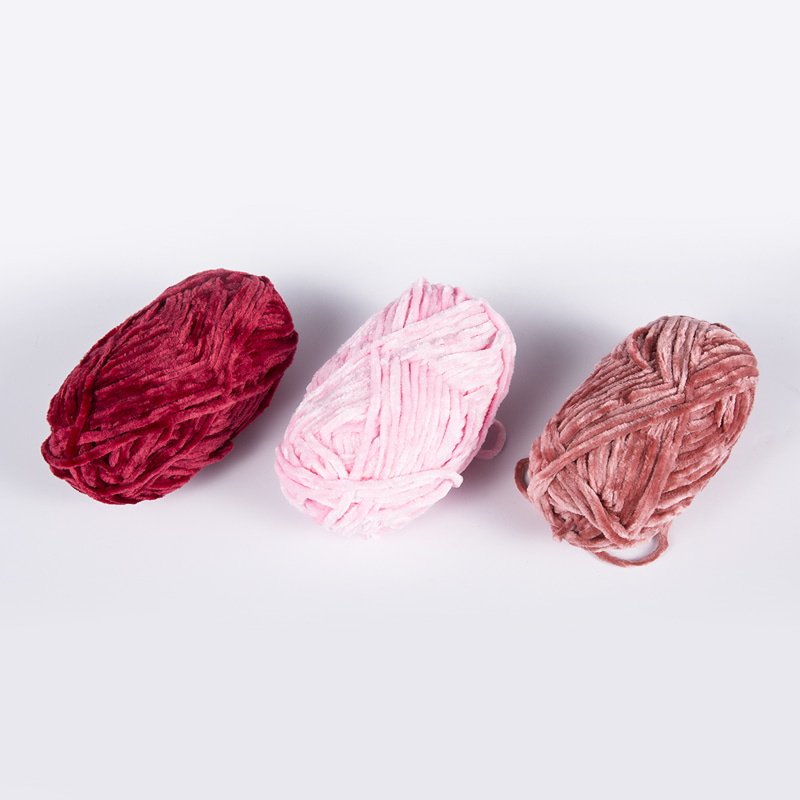
Chenille yarns are a special case. Their fluffy, plush texture lets a super bulky chenille yarn make an incredibly soft blanket in just a few evenings of crochet.
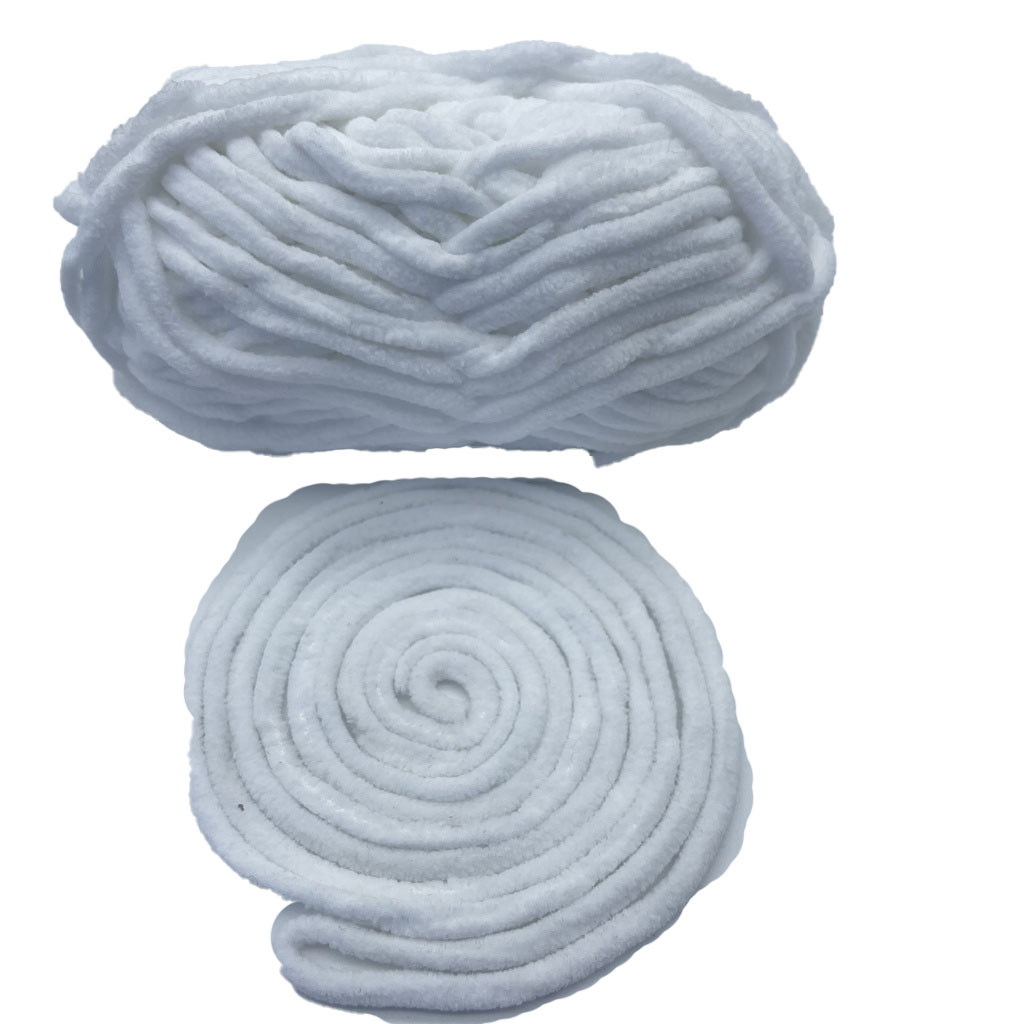 Super Chunky Polyester Chenille Yarn for Crochet BlanketsThis ultra-chunky 100% polyester chenille yarn delivers substantial volume and a soft feel, making it ideal for quickly crocheting plush blankets and cozy accessories.View Product →
For finer, more delicate work, a thin chenille yarn in the fine weight range produces socks and gloves that have an unusually soft handle.
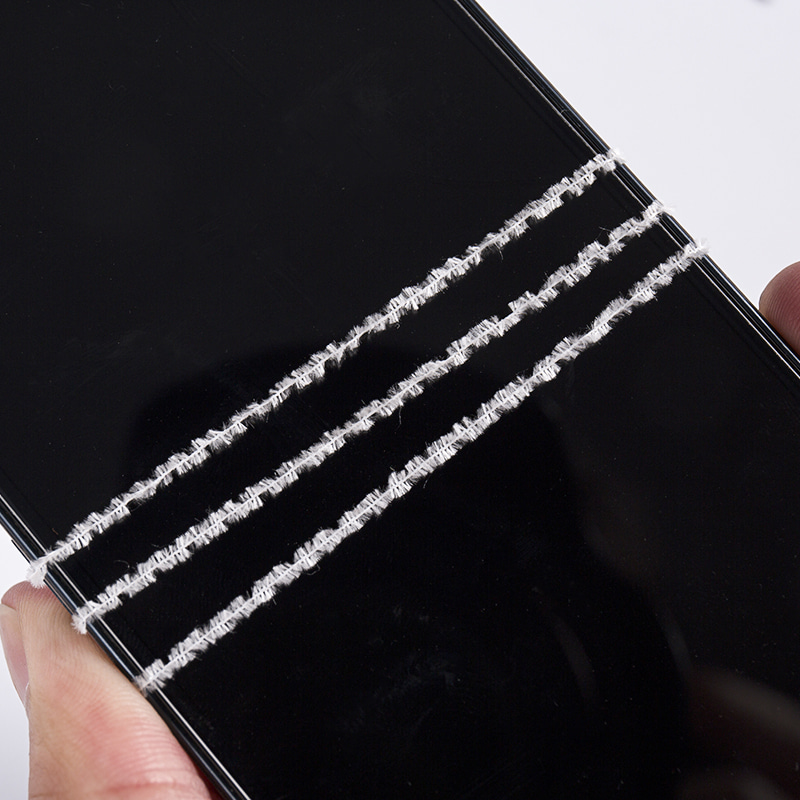 Fine Polyester Chenille Yarn for Socks and GlovesThis thin 23NM chenille yarn offers a silky touch and durable stretch, perfect for knitting delicate socks and gloves that retain warmth and shape.View Product →
And when you need a dependable medium weight for hand-knit clothing, a 100% acrylic ball yarn gives you an even gauge across large projects.
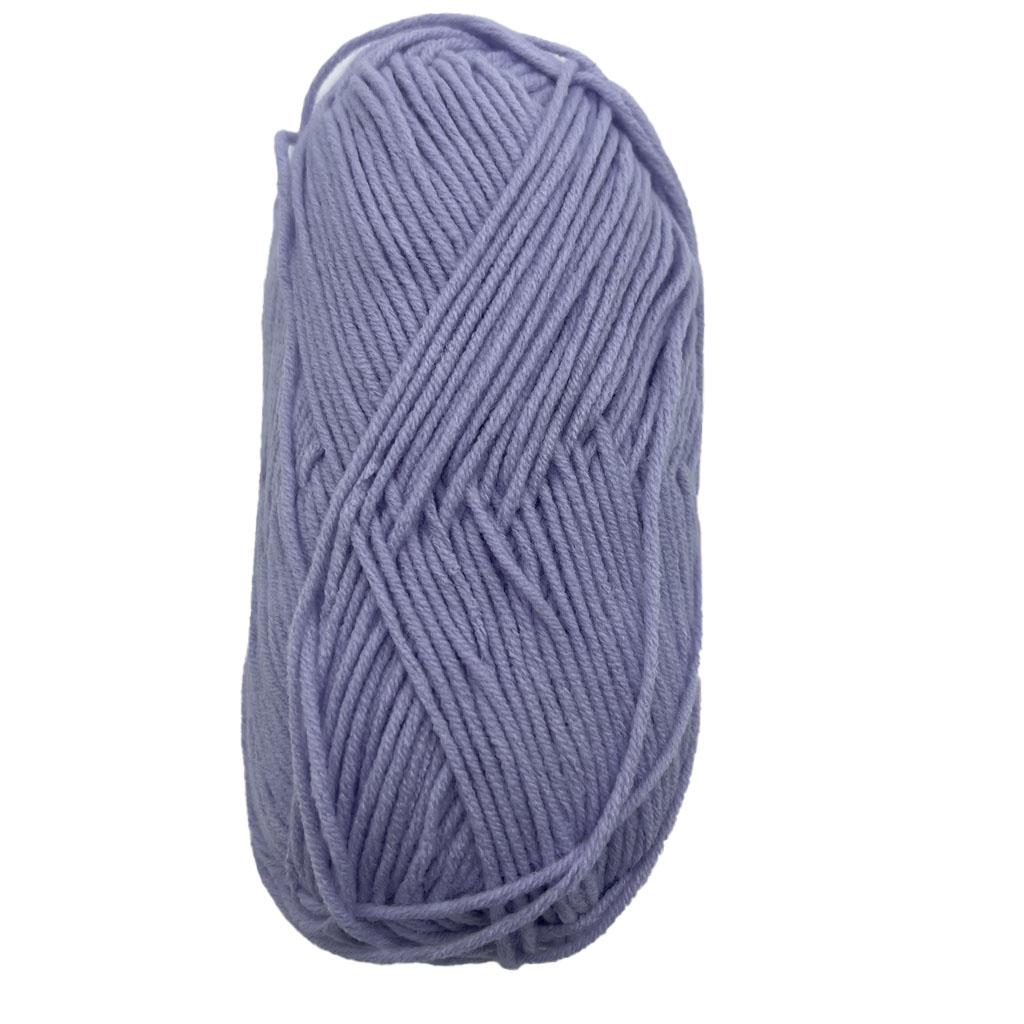 100% Acrylic Yarn for Winter Hand-Knit ClothingThis consistent medium-weight acrylic yarn provides reliable warmth and even gauge for hand-knitting sweaters and other cold-weather garments, available in various colors.View Product →
Two skeins can sit in the same weight category but feel and behave completely differently because of fiber content.
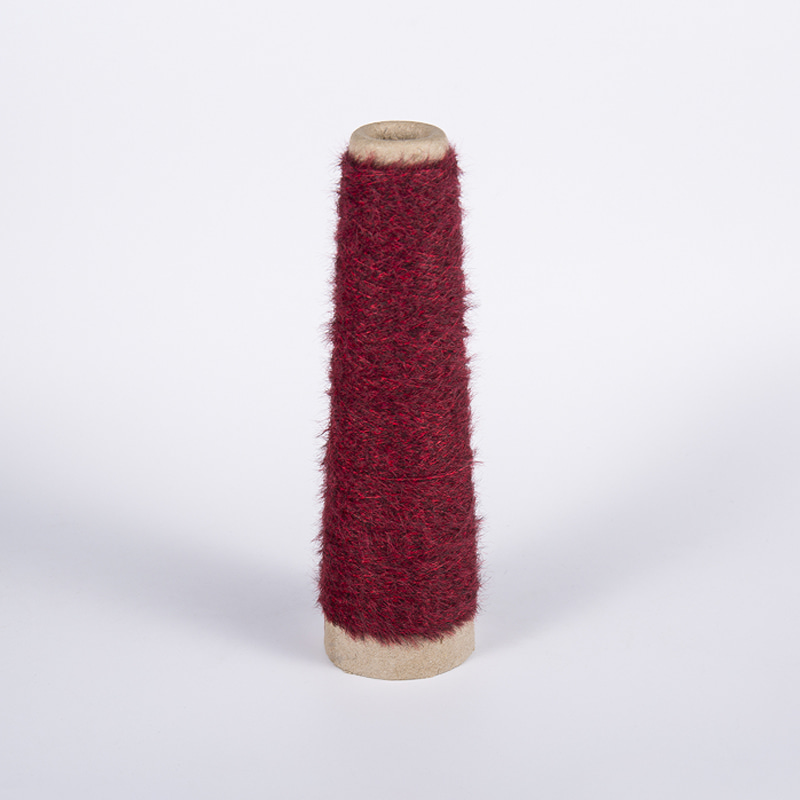
A medium weight yarn spun from smooth wool has a crisp, elastic hand. A medium weight yarn made of chenille or feather yarn has a soft, plush surface that compresses under your fingers. This compression is why a chenille yarn can look bulky but knit up to a tighter gauge than a wool yarn of the same WPI.
When you are buying yarn for a specific project, treat weight as the starting point and fiber as the final factor. A super bulky feather yarn creates a light and airy scarf, while a super bulky wool yarn creates a dense, warm outer layer. Weight matters, but fiber decides personality. This is exactly why fancy yarn production has become a craft of its own, with manufacturers developing unique textures that change how a yarn looks and behaves at any given weight.
No. Ply describes how many individual strands are twisted together, while weight describes the overall thickness of the finished yarn. A single-ply yarn can be bulky and a four-ply yarn can be fine, depending on the thickness of each strand.
You can, but you must recalculate gauge and yardage. Use one weight heavier and your finished piece will be larger and denser; use one weight lighter and it will be smaller and drape more. Always swatch first.
Medium weight, category 4, is the most widely used. Most sweater patterns, crochet blankets, and beginner projects are written for it, and it is the most commonly available weight in retail stores.
The gauge swatch is the most reliable because it accounts for your tension, the needle size, and the fiber behavior. Wraps per inch is the fastest and works well for identifying a weight when you have no ball band.
Related Products

© 2024 Suzhou Aodejia Textile Technology Co., Ltd. All Rights Reserved.





 English
 Español