2026-09-03
Content
A shipment of wool overcoats just returned from a retail partner with uniform complaints: fabric stiffness, heavy pilling, and a handfeel that disappeared after the first wash. The garment brand had approved the wool fabric in the sampling stage, so the issue was not the fiber content. It was the fabric softener consumer washing machines introduced in the final rinse. Fabric softener and wool are chemically incompatible, and this collision between a household product and a natural fiber is now one of the most frequent causes of performance claims in winter outerwear.
Fabric softener and wool are chemically incompatible because cationic surfactants in softener residue bond to the anionic surface of wool scale cells. Wool fibers have a cuticle layer made of overlapping scales that regulate moisture vapor absorption, maintain natural crimp, and create the fiber's characteristic recovery. When a softener coats these scales, it fills the spaces that usually absorb moisture vapor. The fiber can no longer breathe, and its natural moisture management system shuts down. The coating also reduces inter-fiber friction. Reduced friction sounds positive on paper, but in a yarn structure it means the fibers can slide apart, the twist loses stability, and pilling develops much faster.
A quality control lab at a wool mill will measure these effects. Water vapor transmission can fall by 40% or more. Elastic recovery drops up to 35%. Pilling resistance is cut nearly in half after five to ten softener wash cycles. These are not cosmetic changes. They change the physical behavior of the fiber.
Fabric softener does not condition wool. It coats wool. The coating is what destroys the natural performance.
Fabric softener changes wool at three levels: fiber surface, yarn structure, and finished garment performance. Each level compounds the damage.
A textile mill can control crimp, twist, and finishing temperature. It cannot control what happens in a consumer washing machine. Once fabric softener enters the rinse cycle, the performance changes are outside the mill's control. This is why fabric softener and wool require explicit warning labels on garments.
Front-load washing with softener at 30°C for 10 cycles can reduce wool blend pilling resistance by up to 61%.
Industry testing on wool/polyester blend fabrics shows the damage is not cosmetic. After ten simulated wash cycles with standard fabric softener, a quality control lab typically records the following performance losses:
| Performance Metric | After 10 Softener Cycles |
| Water vapor transmission | 42% lower |
| Elastic recovery | 35% lower |
| Pilling resistance | 61% lower |
| Odor retention | 78% higher |
| Surface friction smoothness | 55% lower |
The pattern is consistent: the more softener cycles a wool product undergoes, the less it behaves like wool. Water vapor transmission loss means the fabric cannot regulate body moisture. Elastic recovery loss means the garment changes shape and stays stretched. Pilling resistance loss shortens the product's usable life. Odor retention increase means the garment needs more frequent washing, which creates a cycle of further fiber damage.
A 10-cycle fabric softener treatment can reduce pilling resistance by up to 61% on wool blend fabrics - equivalent to downgrading the fabric's durability by two quality grades.
A wool fabric supplier can control fiber performance at the mill level in a way that no post-wash product can. The goal is to make wool soft without coating it.
At Suzhou Aodejia Textile Technology Co., Ltd., we approach wool softness through yarn construction and finishing rather than chemical masking. Our knitted wool fabrics are brushed on the back surface to break the scale edges that cause itchiness, while a balanced twist ratio keeps the yarn structure stable.
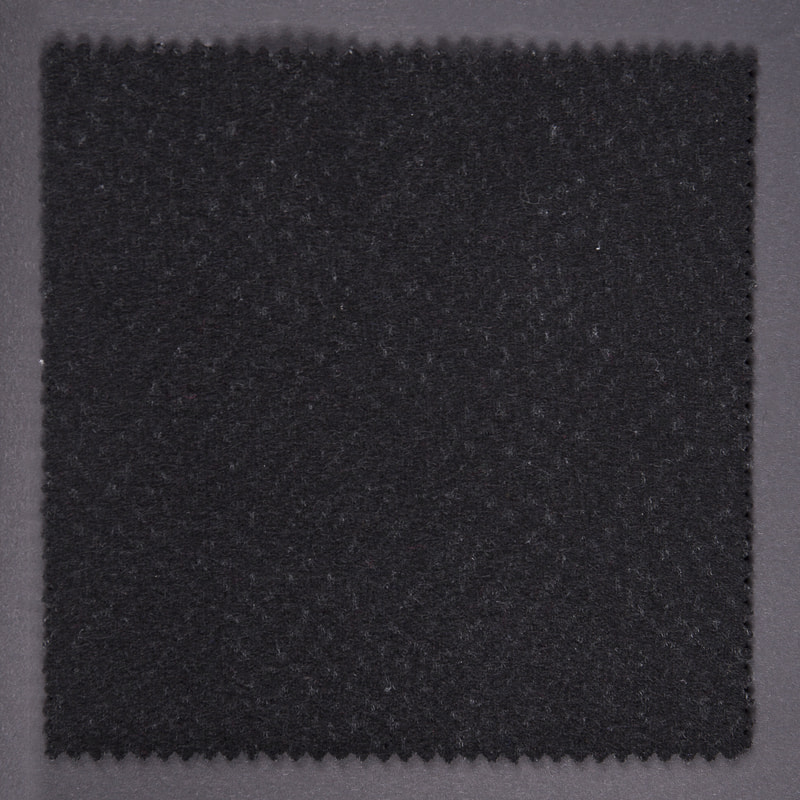 Double-Brushed Wool Polyester Plaid Fleece Fabric for Winter CoatsThis black-grey knitted plaid fleece uses double-brushing on the reverse side to break scale edges, ensuring softness without chemical softeners. Its low-pilling construction maintains moisture management and fiber structure, making it an ideal choice for comfortable winter outerwear.View Product →
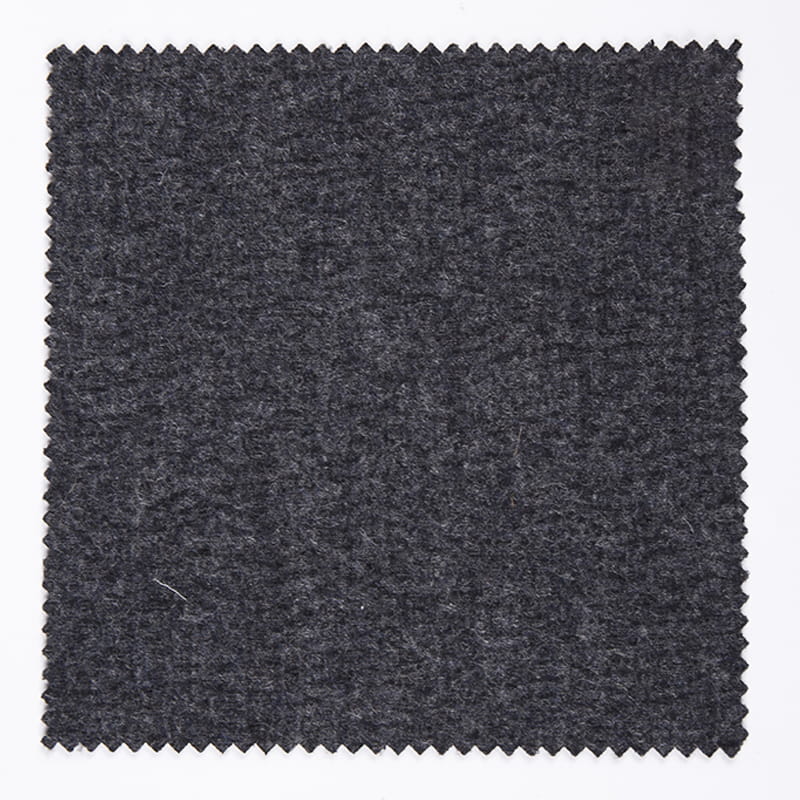
For example, our black-grey wool polyester knit plaid fleece fabric for winter coat uses double-brushing on the reverse side and a low-pilling construction. The fiber scale structure stays open, moisture management remains intact, and the fabric does not rely on a softening agent to feel pleasant against the skin.
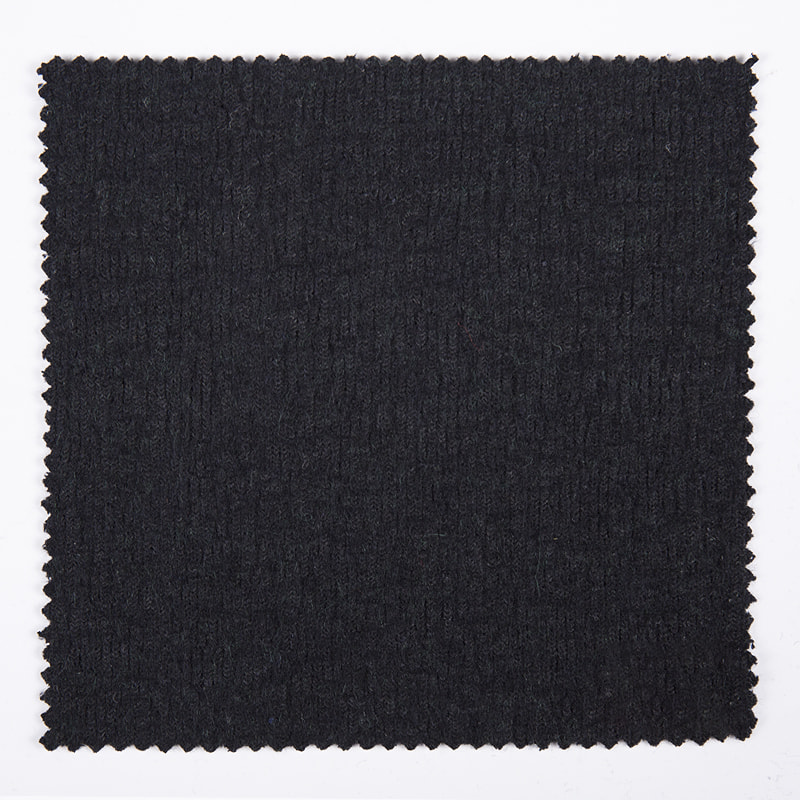 Knitted Wool Polyester Cotton Jacquard Striped Fabric for CoatsStyled with jacquard stripes, this wool-polyester-cotton knit features a backing brush process that removes loose fibers, preventing pilling. The blend offers warmth, durability, and wrinkle resistance while retaining a soft hand, suitable for winter coats.View Product →
Our knitted wool polyester cotton jacquard striped winter fabric follows a similar principle. The jacquard structure raises the surface interest while the backing brush process removes loose fibers that would otherwise form pills. This is the kind of engineering that makes fabric softener unnecessary.
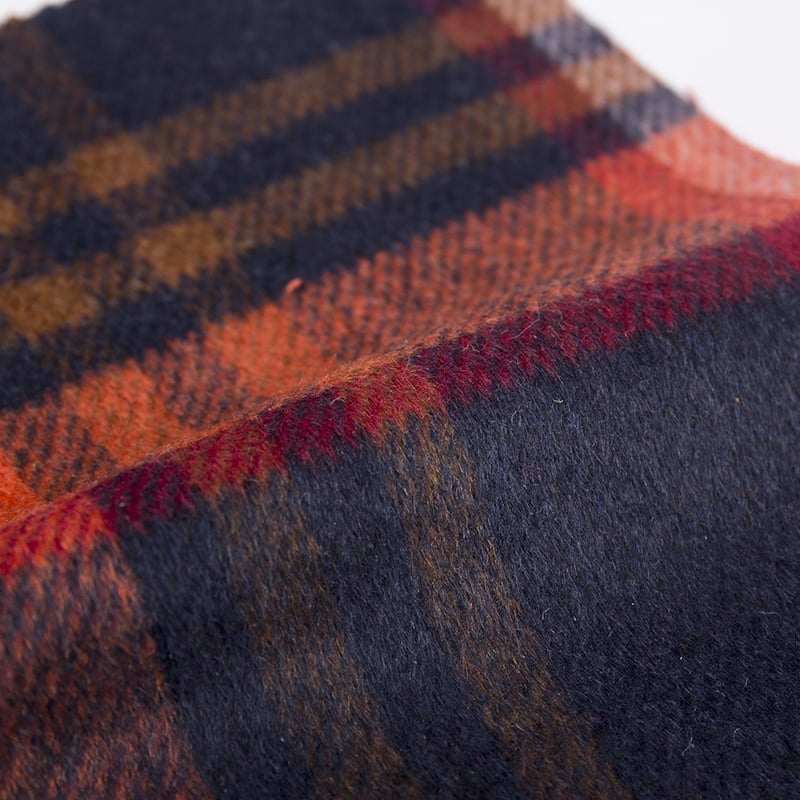 Woven Tartan Plaid Wool Polyester Fabric for Versatile WearThis woven tartan plaid combines wool's natural warmth with polyester's durability and easy care. Its smooth surface and breathable structure make it suitable for suits, casual wear, and accessories, providing lasting comfort without the need for fabric softeners.View Product →
For woven wool, the same logic applies. A woven tartan plaid wool polyester fabric with a clean finishing profile keeps the fiber surface natural and breathable. When buyers ask whether fabric softener can be used on wool, our answer is no, but the better question is whether the wool needs it. High-quality mill finishing already delivers the softness buyers want.
To understand how knitted wool fabrics recover after cleaning and regular wear, review our technical write-up on knitted wool fabric recovery and shape retention.
Garment brands need to give customers practical alternatives to fabric softener. Four methods work well at consumer level:.
Leaves a waxy film, blocks moisture vapor, increases pilling, and traps odor-causing bacteria.
Preserve scale structure, keep breathability intact, and support long-term performance for wool blend fabrics.
These methods address the root cause of scratchiness: the scale cells on wool fibers. They do not add a film, which means moisture transmission, breathability, and odor control remain intact. For wool blankets, coats, and knitwear, the alternative treatments provide softness without the long-term damage that fabric softener causes.
Care labels are the first defense. If a wool garment is made with premium wool fabric, the care label should explicitly state "Do not use fabric softener."
When selecting a supplier, ask about the finishing process. Does the mill use any softening agent during production? If yes, what is the chemical basis? A professional wool fabric supplier should be able to answer this question with a clear technical specification, not a marketing phrase.
No. Fabric softener coats wool fibers and blocks their natural moisture management, which reduces breathability, increases pilling, and traps odors.
Use wool-specific detergent or a vinegar soak. Both preserve the fiber's natural properties without leaving a chemical coating.
Wool scratchiness comes from the scale cells on the fiber surface. Fine merino and treated wool have smaller scales, while coarser wool keeps larger scales that rub against the skin.
Mostly yes. The coating is hard to remove fully. Repeated use locks in residue, accelerates fiber degradation, and makes the wool more prone to pilling.
Related Products

© 2024 Suzhou Aodejia Textile Technology Co., Ltd. All Rights Reserved.





 English
 Español