2026-01-27
Content
In the world of textiles, few materials combine artistry and technical prowess as elegantly as knitted jacquard fabrics. Unlike printed or dyed patterns, the intricate designs of jacquard are an inherent part of the fabric's structure, offering unparalleled depth, texture, and durability. For designers, manufacturers, and brands seeking a premium tactile experience, understanding this sophisticated fabric is key. As a factory with over two decades of specialization, Suzhou Aodejia Textile Technology Co., Ltd. integrates this deep knowledge directly into our R&D and production processes, crafting yarns and fabrics that bring complex designs to life.
Jacquard knitting is a specialized technique that allows for the creation of complex, patterned designs directly during the knitting process. It is named after Joseph Marie Jacquard, who revolutionized weaving with his loom attachment in the early 1800s. The principle was later adapted to modern electronic knitting machines. The hallmark of this technique is its ability to produce large, detailed figures, geometric patterns, or even logos without the constraints of simple repeat patterns common in standard knitting.
The defining features of knitted jacquard set it apart in the textile landscape.
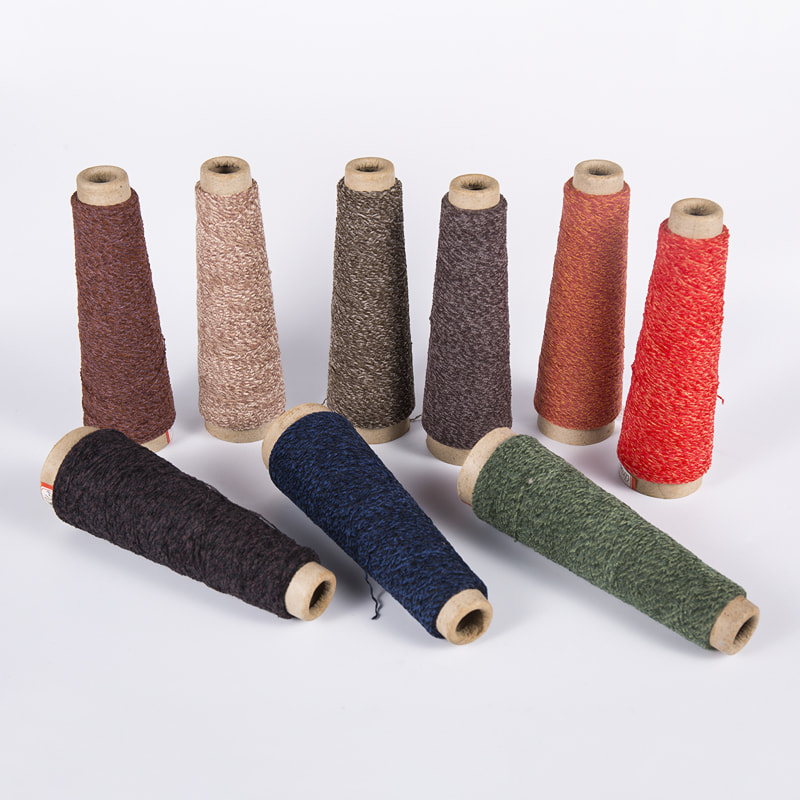
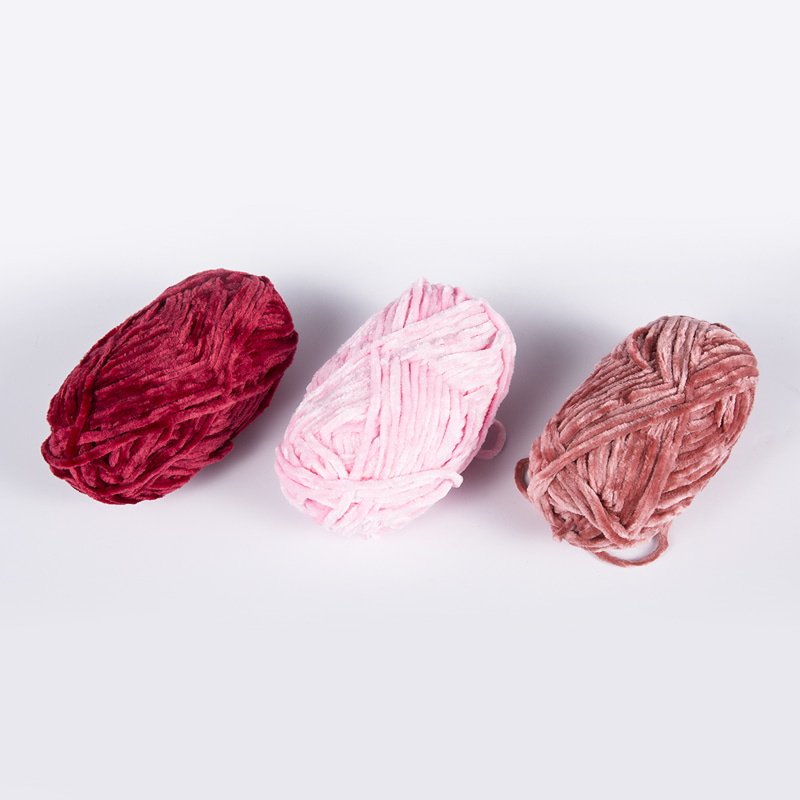
The production at Suzhou Aodejia leverages advanced computerized knitting machines. Our in-house capability to produce a vast range of fancy yarns—like chenille, velvet, and feather yarn—allows us to engineer knitted jacquard fabrics with unique tactile and visual properties that are difficult to replicate.
The versatility of jacquard knits makes them suitable for a wide array of applications, each demanding specific fabric qualities.
In fashion, jacquard knits are synonymous with luxury and detail.
The durability and aesthetic appeal of jacquard make it ideal for the home.
Delving deeper into specific topics reveals the nuanced advantages and considerations of working with jacquard knits.
While both create patterned fabrics, knitted and woven jacquard differ fundamentally in construction and properties. A comparison is essential for making the right sourcing decision.
The primary distinction lies in their construction method and resulting characteristics. Knitted jacquard is created by interlooping yarns with needles, making it inherently more elastic and drapable. Woven jacquard is produced by interlacing warp and weft yarns at right angles, resulting in a more structured, stable, and less stretchy fabric [1].
| Feature | Knitted Jacquard | Woven Jacquard |
|---|---|---|
| Production Method | Interlooping of yarns (knitting) | Interlacing of warp/weft (weaving) |
| Flexibility & Drape | Generally more elastic, softer drape | More structured, stable, less stretch |
| Common Yarns Used | Wool, cotton, acrylic, blends | Silk, cotton, polyester, linen |
| Typical Applications | Apparel (sweaters, dresses), stretchable decor | Upholstery, curtains, ties, formalwear |
| Production Speed & Cost | Often faster and potentially more cost-effective for complex patterns | Can be slower, especially for intricate designs |
For projects requiring comfort, stretch, and a softer hand, such as in apparel, knitted jacquard fabric for sweaters is often the superior choice. Our production lines at Suzhou Aodejia are adept at creating these comfortable, patterned knits using our own specialty yarns.
The durability of a jacquard knit is a common concern, especially for items meant for frequent wear or use.
Therefore, when evaluating jacquard knit durability for upholstery or heavy-use apparel, it is critical to assess the yarn source, knit construction, and intended care regimen. Our OEM/ODM services focus on engineering fabrics that meet specific durability benchmarks for our clients' end-use applications.
The world of jacquard design is dynamic, with trends evolving each season.
Proper care is essential to preserve the beauty and longevity of jacquard items.
Following these steps ensures that even delicate lightweight jacquard knit fabric maintains its structure and design clarity wash after wash.
While stock fabrics are available, there are compelling advantages to developing custom custom jacquard knit fabric manufacturers relationships.
Yes, knitted jacquard fabric typically has inherent stretch due to its looped construction. The amount of stretch can be engineered during production by adjusting the knit structure and yarn type, making it suitable for fitted garments where comfort and movement are key.
Absolutely. By using fine, breathable natural yarns like cotton or linen blends and opting for a lighter, more open knit construction, manufacturers can produce lightweight jacquard knit fabric perfect for summer tops, dresses, and lightweight cardigans.
Pilling can be minimized by selecting high-quality, long-staple yarns and a tightly knit construction. During care, washing the garment inside out on a gentle cycle and avoiding friction with rough surfaces during wear and wash will significantly reduce pilling.
MOQs vary significantly between manufacturers. At Suzhou Aodejia Textile Technology Co., Ltd., we understand market flexibility needs. We offer scalable production and encourage potential clients to discuss their project specifics with us directly to find a feasible solution, leveraging our large production capacity.
Yes, the industry is moving towards sustainable practices. Eco-friendly options include using jacquard patterns made from GOTS-certified organic cotton, recycled polyester, or other regenerated fibers. The jacquard technique itself, which creates pattern without dyes, can also be part of a lower-impact production process when combined with these responsible materials.
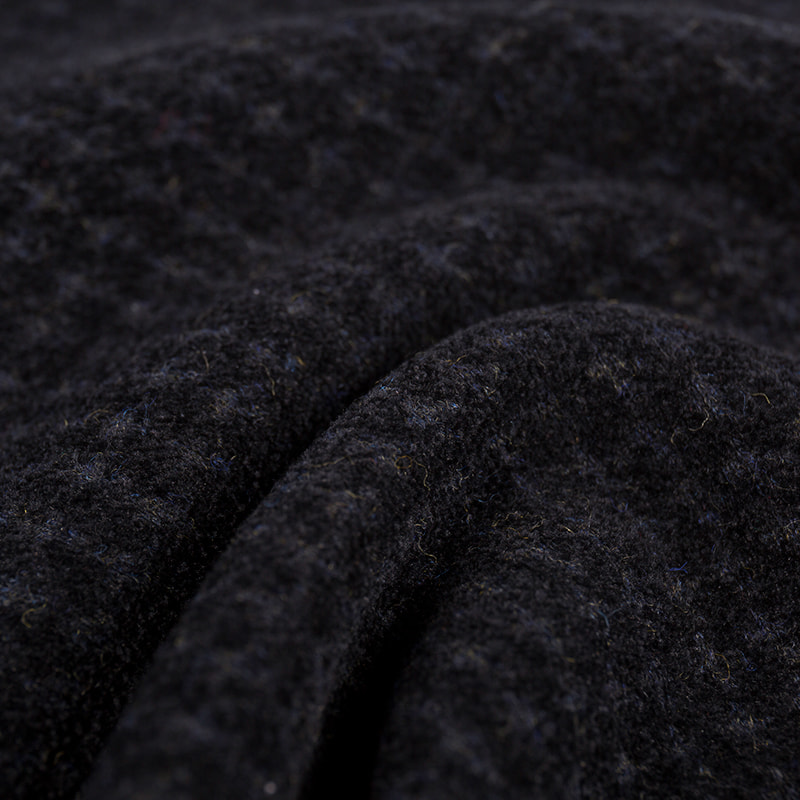
Knitted jacquard fabrics represent a pinnacle of textile artistry and engineering. From understanding the crucial differences between knit and woven constructions to navigating care instructions and embracing modern trends, a deep knowledge of this fabric opens doors to superior product development. For businesses looking to innovate, partnering with an experienced, integrated manufacturer is invaluable. Suzhou Aodejia Textile Technology Co., Ltd., with its 20+ years of expertise, in-house yarn production, and dedicated OEM/ODM services, is uniquely positioned to transform your most intricate jacquard concepts into tangible, high-quality reality. Our multi-line production capability ensures that from the initial fancy yarn to the final rolled fabric, every step is controlled for excellence.
[1] Spencer, D. J. (2001). *Knitting Technology: A Comprehensive Handbook and Practical Guide*. Woodhead Publishing. (This source provides foundational technical explanations of knitting versus weaving mechanics, relevant to the comparison of jacquard types.)
Related Products

© 2024 Suzhou Aodejia Textile Technology Co., Ltd. All Rights Reserved.





 English
 Español