2026-02-24
Content
In the complex and multifaceted world of textiles, the foundation of every exceptional fabric lies in the quality and processing of its raw materials. At the heart of this foundation is Dyed Yarn, a critical component that determines not only the aesthetic appeal of a garment but also its structural integrity and performance characteristics. Unlike piece dyeing, where fabric is colored after weaving, yarn dyeing involves applying color to the yarns before they are woven or knitted into fabric. This process offers immense creative freedom, allowing for intricate patterns, checks, stripes, and heather effects that are impossible to achieve through other methods. As the textile industry evolves towards higher quality and faster turnaround times, understanding the nuances of yarn dyeing—from fiber selection to color fastness—becomes essential for manufacturers and designers alike. Whether for high-end fashion, durable workwear, or intricate home textiles, the choice of dyed yarn dictates the final product's success in the market.
Strength and durability are non-negotiable requirements in modern textile manufacturing, particularly for applications where fabrics undergo significant stress. This is where high tenacity dyed yarn becomes a game-changer. High tenacity refers to the yarn's ability to resist breaking under tension, a property achieved through specialized polymer extrusion and drawing processes during spinning. When high tenacity fibers are dyed, the process must be carefully controlled to ensure that the dye molecules penetrate deeply without compromising the internal polymer structure that provides the strength. This results in a yarn that not only holds its color vibrantly but also withstands the rigors of industrial weaving, knitting, and the subsequent end-use of the product. For sectors such as automotive upholstery, safety harnesses, and heavy-duty luggage, utilizing high tenacity dyed yarn ensures that the color remains consistent even as the fabric is subjected to extreme wear and tear, bridging the gap between aesthetic durability and physical performance.
The demand for high tenacity dyed yarn is driven by industries where failure is not an option. In heavy-duty applications, standard yarns may stretch or degrade, leading to catastrophic failures or unsightly wear patterns. High tenacity variants are engineered to have a tighter molecular orientation, which significantly increases their load-bearing capacity. When these yarns are dyed, manufacturers often use disperse or vat dyes that bond molecularly with the fiber, ensuring that the color does not act as a weakening agent. This synergy between strength and color allows for the production of technical textiles that meet rigorous safety standards while still adhering to specific design and branding requirements.
| Standard Yarn | Moderate strength, suitable for light apparel and fashion. |
| High Tenacity Yarn | Superior strength, essential for industrial and technical textiles. |
| Dye Retention | High tenacity yarns often feature better dye affinity due to controlled morphology. |
Color fastness is a critical metric for Dyed Yarn, particularly when high tenacity is required. A strong yarn is useless if the color fades rapidly after exposure to sunlight, washing, or rubbing. High tenacity dyed yarn undergoes rigorous thermal fixation processes that lock the color inside the fiber. This is particularly important for synthetic fibers like polyester and nylon, which require high-temperature dyeing. By combining high tenacity with superior dyeing techniques, manufacturers guarantee that the fabric maintains its original hue and intensity throughout its lifecycle, preserving the brand image and ensuring customer satisfaction.
The global textile market relies heavily on the expertise of specialized producers. Polyester dyed yarn manufacturers play a pivotal role in the supply chain, transforming raw polyester filaments or staples into vibrantly colored, ready-to-use yarns. Polyester is the world's most popular synthetic fiber, valued for its durability, versatility, and affordability. However, dyeing polyester is a complex science that requires high temperatures and pressure, as polyester fibers are hydrophobic and have a crystalline structure that is difficult for dyes to penetrate naturally. Leading polyester dyed yarn manufacturers invest in state-of-the-art dye houses equipped with high-temperature high-pressure (HTHP) machines. These facilities allow for precise control over variables such as temperature, pH levels, and dye dispersion, ensuring that every batch meets strict color standards. This precision is vital for fashion brands that require exact color matching across different production lots, a process known as "lab dip" approval, which ensures continuity in seasonal collections.
For polyester dyed yarn manufacturers, the spinning process is just as important as the dyeing process. The quality of the yarn—its evenness, hairiness, and strength—directly impacts how evenly it absorbs dye. Modern manufacturers utilize automated spinning frames and texturing machines to produce yarns with consistent denier and twist. This uniformity is crucial because variations in yarn density can lead to "barre" marks or uneven dyeing in the final fabric. By leveraging advanced technology, manufacturers can produce yarns that are not only visually consistent but also optimized to accept dye uniformly, resulting in a flawless final product.
| Technology | Impact on Dyeing Quality |
| Rotor Spinning | Ideal for coarser counts; provides good absorbency for specific dye types. |
| Ring Spinning | Produces stronger, finer yarns with superior surface uniformity for even dyeing. |
| Air Jet Texturing | Creates bulkier yarns that dye uniformly due to controlled filament placement. |
Quality control is the hallmark of reputable polyester dyed yarn manufacturers. This process begins long before the dye hits the fiber and continues until the yarn is wound onto the final bobbin or cone. Manufacturers test for tensile strength, elongation, and evenness before dyeing. Post-dyeing, the yarns are tested for color fastness against light, water, washing, and perspiration. By implementing a multi-stage quality assurance protocol, manufacturers can detect and rectify issues early, preventing costly errors downstream in the weaving or knitting stages. This commitment to quality ensures that textile designers receive a product that performs exactly as specified.
While yarns form the body of a fabric, the threads that hold it together are equally vital. Dyed polyester sewing thread is the unsung hero of the garment industry, renowned for its strength, elasticity, and resistance to mildew and UV damage. Unlike cotton thread, which can weaken and rot when wet, or rayon, which has poor tensile strength, dyed polyester sewing thread offers a reliable solution for stitching seams that must endure stress. The versatility of polyester allows it to be dyed in a vast spectrum of colors to match any fabric, making it the default choice for everything from leather goods to delicate lingerie. Furthermore, the thread is treated with special lubricants during the winding process to reduce friction as it passes through the sewing machine needle at high speeds, preventing breakage and ensuring smooth, consistent stitches.
The dominance of dyed polyester sewing thread in the textile industry is due to its balanced performance profile. Seams are typically the weakest point of any garment, and using a thread that is stronger than the fabric ensures that the seam holds even if the fabric is stressed. Polyester's low moisture absorption means it dries quickly and does not swell, ensuring that stitches remain tight and do not pucker the fabric after washing. Whether it is for heavy denim jeans or lightweight sportswear, dyed polyester sewing thread provides the durability required for modern, high-speed manufacturing and the longevity demanded by consumers.
| Thread Type | Tensile Strength | Mildew Resistance |
| Cotton Thread | Low to Medium | Poor |
| Nylon Thread | High | Good |
| Polyester Thread | High | Excellent |
One of the key advantages of dyed polyester sewing thread is its incredible compatibility with a wide array of materials. Because polyester is thermoplastic, it can be engineered to be fine and sleek for silks or thick and fuzzy for woolens. It does not cut through delicate fabrics like silk or chiffon as easily as sharper cotton threads might, nor does it fray easily when used on heavy, coarse fabrics like canvas. This adaptability allows designers to use a single type of thread for various projects, simplifying inventory and ensuring consistent performance across a diverse product line.
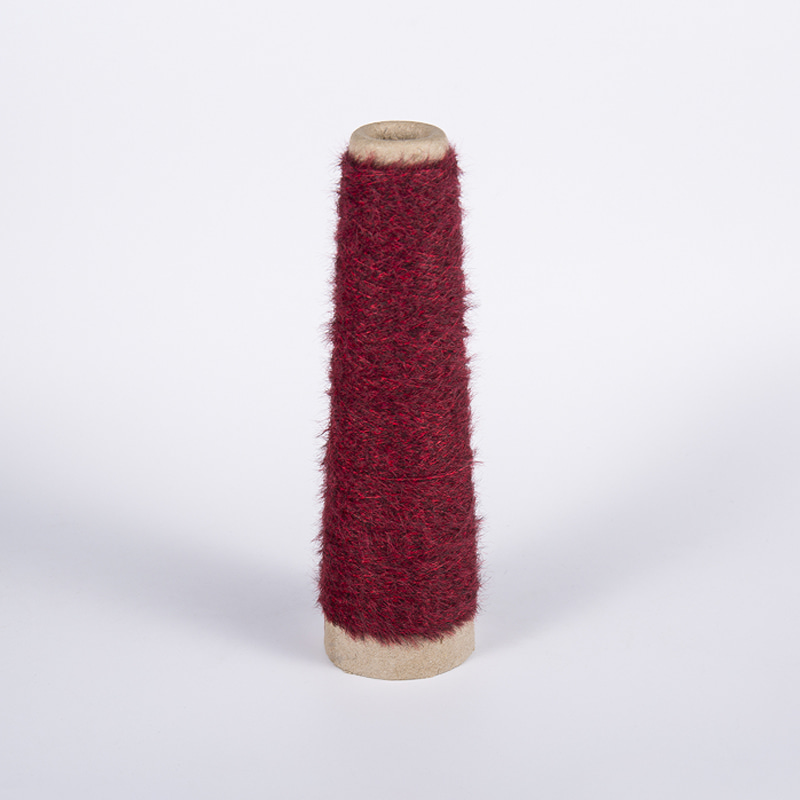
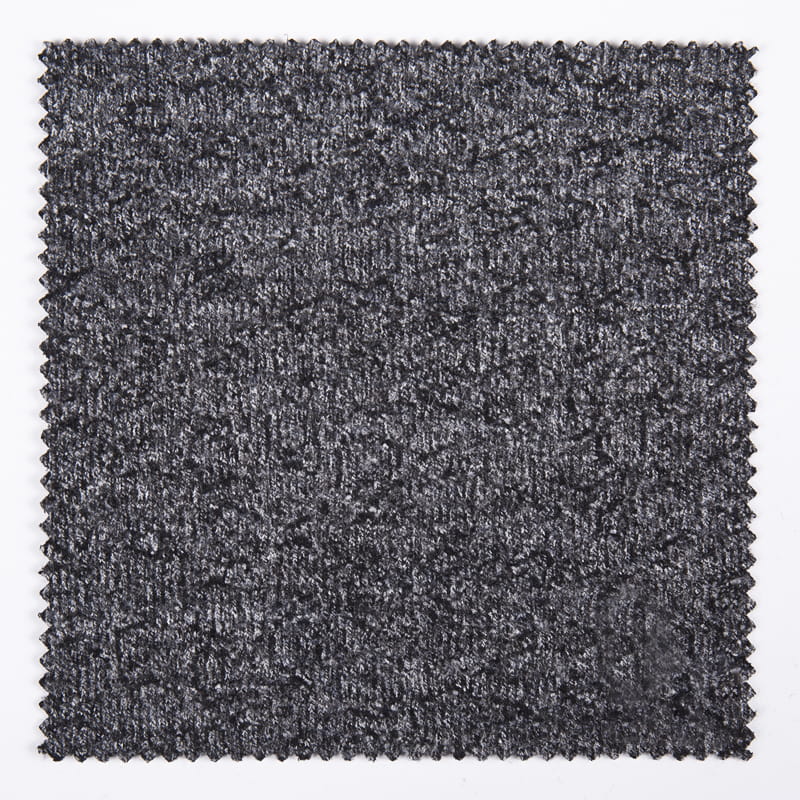
In the realm of fashion and interior design, visual texture is just as important as physical texture. Space dyed yarn for knitting offers a unique aesthetic that injects vibrancy and movement into knitted fabrics. Space dyeing is a technique where multiple colors are applied along the length of the yarn at irregular intervals. When this yarn is knitted, the colors form random, subjective patterns that create a "heather" or "multi-color" effect without the need for complex Jacquard knitting techniques. This method is cost-effective and highly creative, allowing for the production of fabrics that look intricate and complex. Space dyed yarn for knitting is particularly popular in sweater production, sock manufacturing, and decorative throws, where a hand-crafted, artistic appearance is desired.
The magic of space dyed yarn for knitting lies in its unpredictability. Unlike yarn dyed in a single solid color, space dyed yarn creates a visual rhythm as it loops through the knitting machine. The spacing of the colors can be short, creating a speckled or tweed look, or long, creating bold stripes of color that shift across the fabric. This versatility allows designers to create fabrics that have a rich, variegated appearance. By selecting different color combinations—from complementary tones to monochromatic gradients—textile artists can evoke specific moods and styles, ranging from rustic and organic to modern and electric.
| Dyeing Method | Pattern Result |
| Package Dyeing | Solid color, consistent throughout the yarn. |
| Space Dyeing (Short) | Flecked, speckled, or tweed effect. |
| Space Dyeing (Long) | Distinct blocks or stripes of color. |
The application of space dyed yarn for knitting extends far beyond simple sweaters. In fashion, it is used to create statement pieces that stand out on the retail rack. In home decor, it is a favorite for throws, cushions, and rugs, adding a layer of visual complexity that makes a space feel warm and inviting. Because the color variation is built into the yarn, it hides wear and tear effectively, making it an excellent choice for high-traffic home textiles. The ability to combine luxury fibers like wool or mohair with the space dyeing technique results in premium products that command higher market value.
Navigating the global textile market requires a partner who combines deep industry knowledge with robust manufacturing capabilities. Suzhou Aodejia Textile Technology Co., Ltd. stands out as a premier authority in the field. We are a professional spinning and fabric factory integrating R&D, production, and sales. As a China Dyed Yarn Suppliers and Custom Dyed Yarn Manufacturers, we offer Dyed Yarn solutions that are tailored to the specific needs of our global clientele. We have more than 20 years of industry experience and are well-known for high-quality fabrics and yarns. Our longevity in the market is a testament to our ability to adapt to changing trends while maintaining the highest standards of quality control. We believe that providing customers with quality and efficient service is our work creed, and this philosophy drives every interaction we have.
Experience is the true teacher of manufacturing excellence. At Suzhou Aodejia Textile Technology Co., Ltd., our two decades of operation have allowed us to refine our processes and build a deep reservoir of technical knowledge. We understand that polyester dyed yarn manufacturers must be precise, and China Custom Dyed Yarn Manufacturers must be flexible. Our team has encountered and solved countless production challenges, making us uniquely equipped to handle complex orders with tight deadlines. Because of this, our professional production line has been established and developed for a long time. It can not only focus on the production of a variety of fancy yarns but also be widely used in the production of various fabrics. This extensive experience ensures that we can anticipate potential issues before they arise, saving our clients time and money.
Our business model is built on the seamless integration of Research and Development, Production, and Sales. This vertical integration allows us to maintain total control over the supply chain. As China Dyed Yarn Suppliers, we do not merely source products; we innovate them. Our R&D team works tirelessly to develop new yarn compositions and dyeing techniques that offer superior performance. Being Custom Dyed Yarn Manufacturers means we can take a client's concept and turn it into a tangible reality within our own facilities. This integration eliminates the middleman, reducing costs and ensuring that communication is clear and direct throughout the production lifecycle.
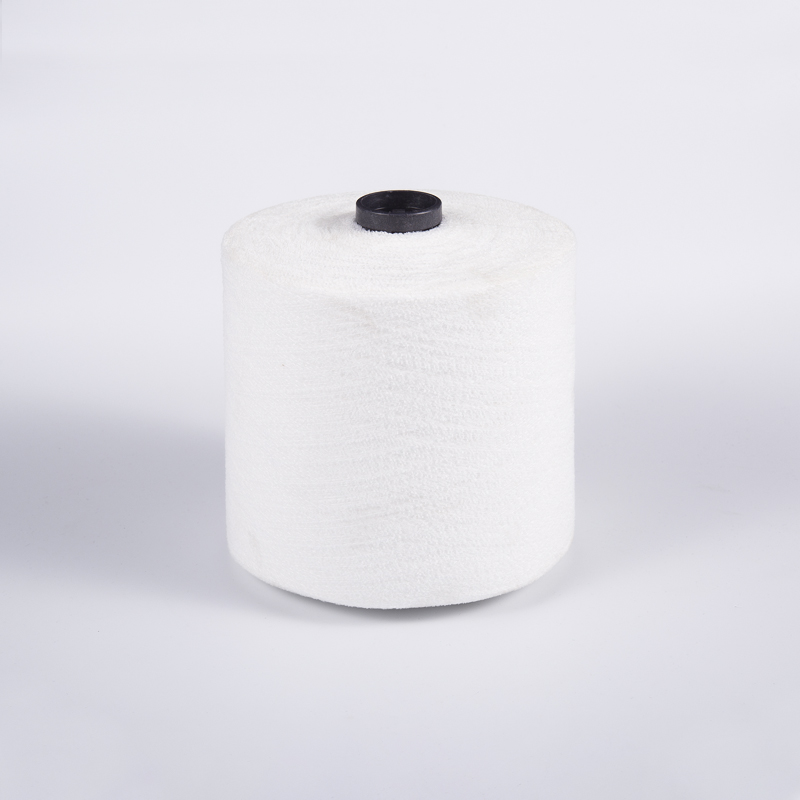
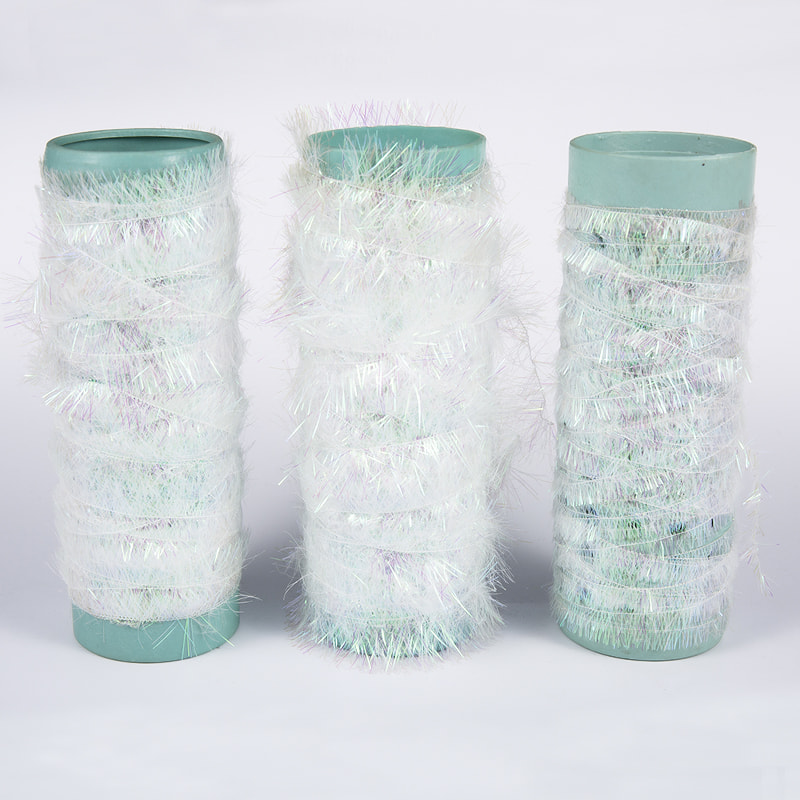
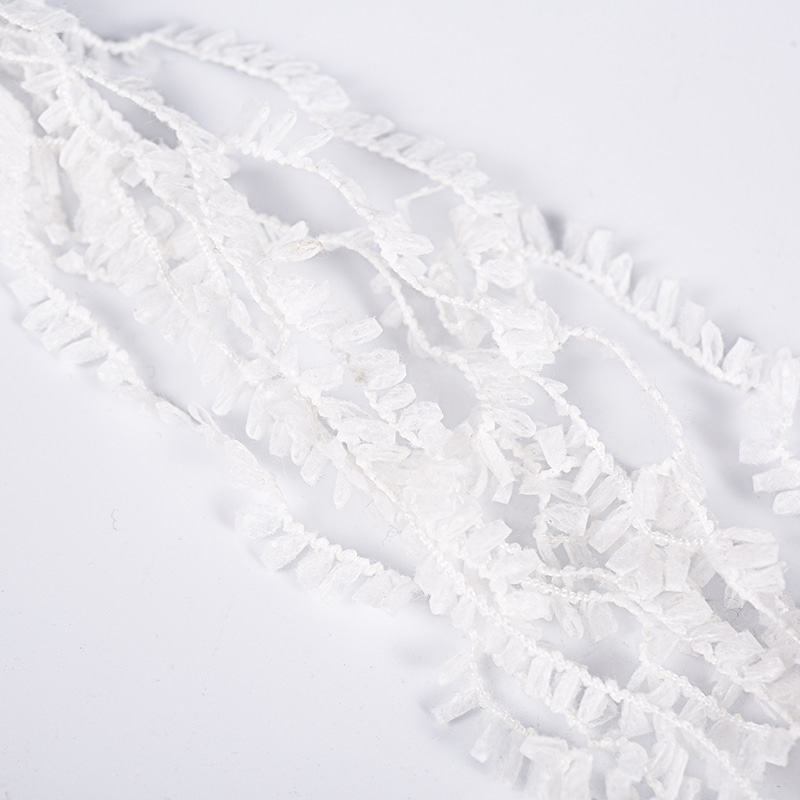
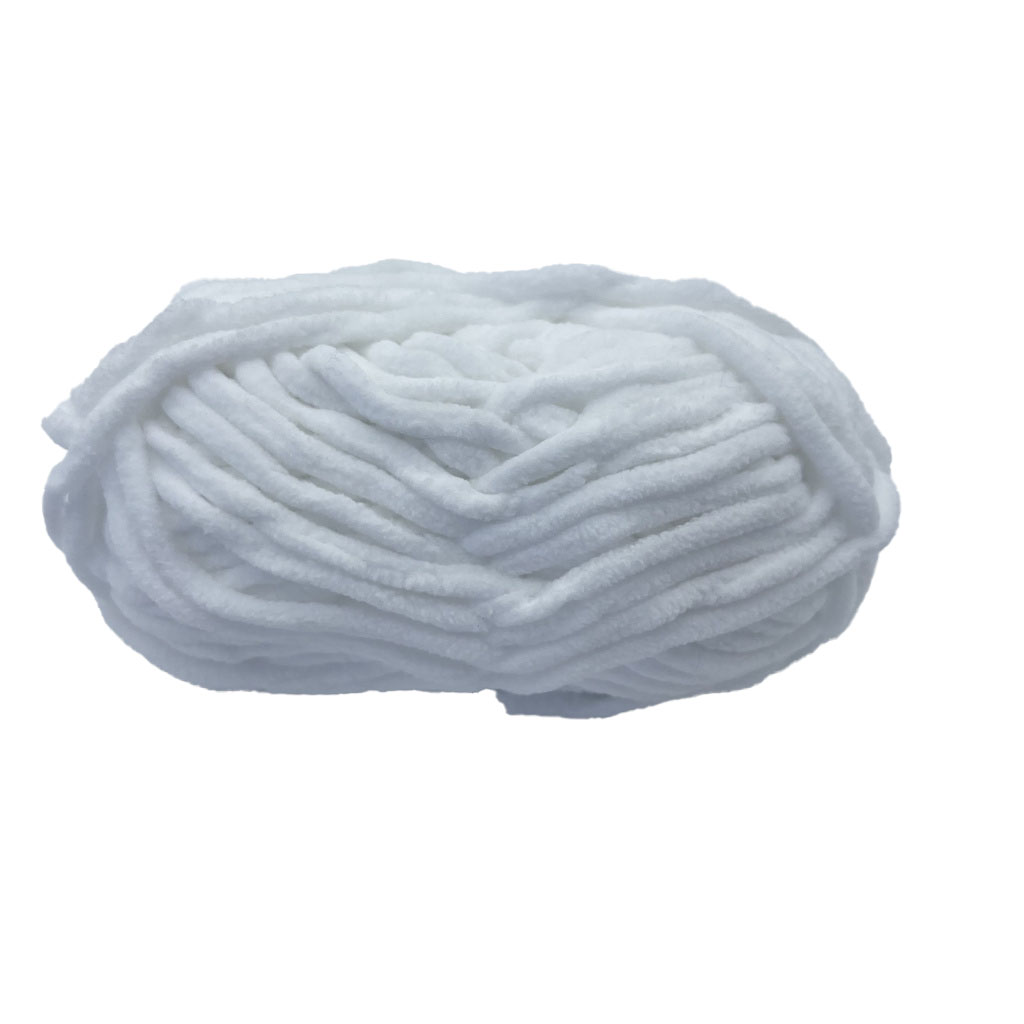
Versatility is a core strength of Suzhou Aodejia Textile Technology Co., Ltd.. We pride ourselves on our ability to produce a vast array of textile products to meet varied market demands. In terms of yarn, we can produce chenille, velvet, feather yarn, etc. These fancy yarns are perfect for adding texture and luxury to any textile application. Our production lines are versatile, allowing us to switch between different yarn types efficiently. This diversity means that our clients can source multiple products from a single, reliable partner, simplifying their supply chain and ensuring consistency across their product range.
| Yarn Type | Characteristics |
| Chenille Yarn | Soft, tufted texture; ideal for upholstery and cozy sweaters. |
| Velvet Yarn | Plush, smooth surface; provides a luxurious hand feel. |
| Feather Yarn | Lightweight, fluffy strands; creates unique voluminous effects. |
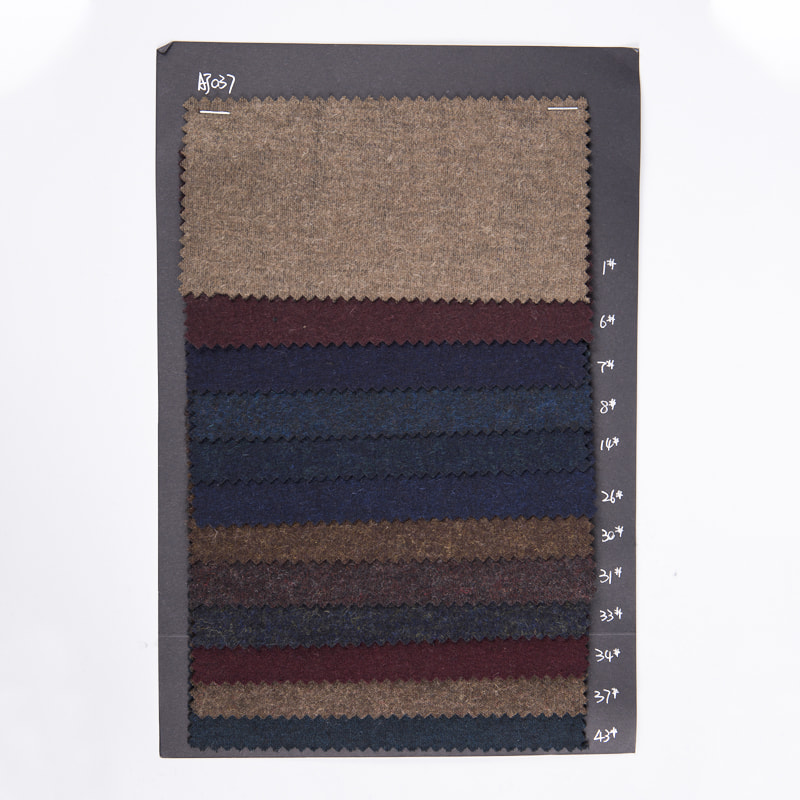
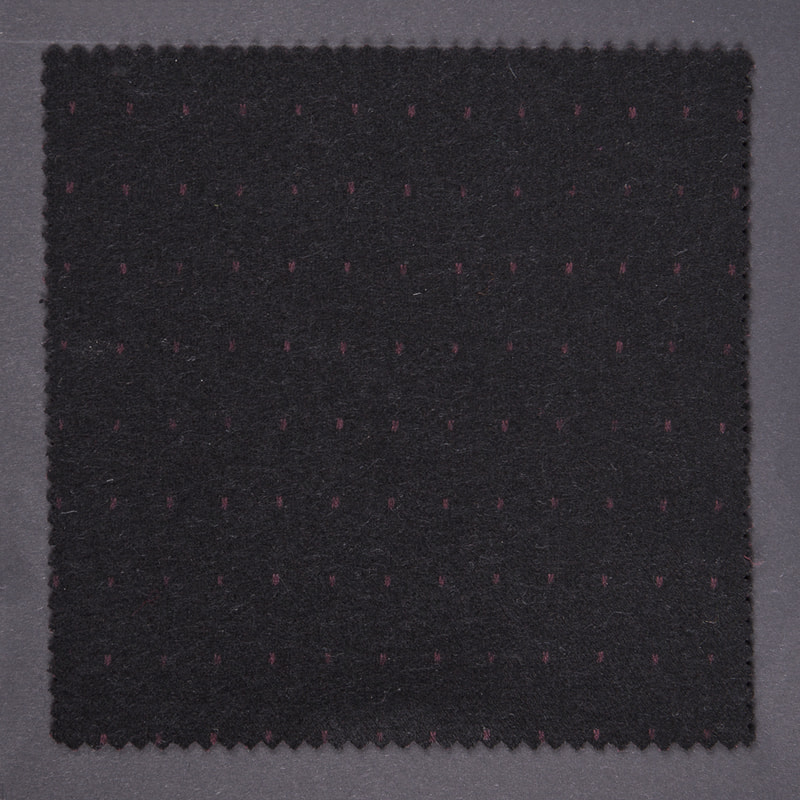
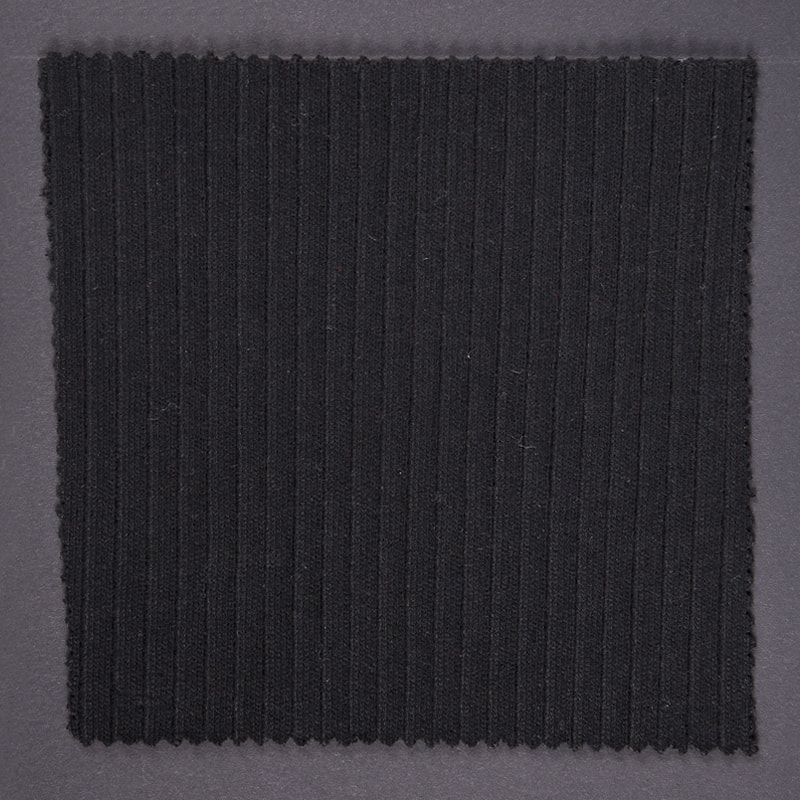
Beyond our spinning capabilities, our expertise extends to sophisticated fabric weaving. In terms of fabric, we can weave rib fabrics, corduroy, chenille fabrics, wool fabrics, jacquard fabrics, plain or twill fabrics, etc. This weaving proficiency allows us to offer space dyed yarn for knitting and weaving contexts, ensuring our yarns perform perfectly in the final fabric structure. Whether our clients need the sturdy structure of a twill for uniforms or the intricate patterns of a jacquard for high-end fashion, our weaving facilities are equipped to deliver excellence. Obviously, having multiple production lines is the main advantage of our factory. We can produce a variety of yarns to meet the needs of fabric production, ensuring a perfect synergy between the raw material and the finished cloth.
| Fabric Type | Common Uses |
| Rib Fabrics | Cuffs, collars, and form-fitting garments. |
| Corduroy | Trousers, jackets, and upholstery. |
| Jacquard Fabrics | Complex patterned home decor and apparel. |
We understand that every brand has a unique identity. Based on our professional team, we also accept OEM or ODM. Believe us, the production capacity of our factory is beyond your imagination. Our OEM services allow brands to leverage our manufacturing capabilities to produce their existing designs to their exact specifications. Meanwhile, our ODM services offer clients the opportunity to utilize our design expertise to develop new, market-leading products. From custom color matching in our Dyed Yarn department to creating entirely new fabric constructions, our team is ready to collaborate on projects of any scale.
Package dyeing involves winding yarn onto a perforated cone or cylinder and then forcing dye liquor through the package. This method is highly automated, suitable for large volumes, and widely used by polyester dyed yarn manufacturers. Hank dyeing, on the other hand, involves dyeing the yarn in loose loops (hanks). It is a more traditional method often used for delicate yarns like wool or acrylic where high tension could damage the fiber. While package dyeing is more efficient for Dyed Yarn meant for industrial weaving, hank dyeing allows for a softer hand feel but is more labor-intensive and time-consuming.
Yes, specific types of Dyed Yarn are engineered for outdoor use. Solution-dyed acrylic or high tenacity dyed yarn made from olefin or treated polyester are excellent choices for outdoor furniture. These yarns are colored during the polymer extrusion process (solution dyed) or treated with UV stabilizers, making them highly resistant to fading from sunlight and damage from rain. Dyed polyester sewing thread is also recommended for the assembly of outdoor furniture to ensure the seams do not degrade under the elements.
Fabrics made with space dyed yarn for knitting generally require care similar to the base fiber used. If the yarn is wool-based, it should be hand-washed or dry-cleaned to prevent felting. If it is cotton or synthetic, machine washing is usually safe. However, to preserve the vibrancy of the multi-color effects, it is advisable to wash in cold water with a mild detergent and avoid prolonged exposure to direct sunlight while drying. Always check the care label, as the dyeing process can sometimes affect the yarn's reaction to water temperature.
Dyed polyester sewing thread offers superior strength, elasticity, and chemical resistance compared to cotton thread. While cotton thread has a natural matte finish that some prefer, it is prone to rotting and weakening when wet. Polyester thread is virtually unaffected by moisture, mildew, or most chemicals, making it the industry standard for durable seams. It also has a higher melting point than nylon, making it safe for pressing, and its consistent thickness allows for smooth, even stitches on sewing machines.
Related Products

© 2024 Suzhou Aodejia Textile Technology Co., Ltd. All Rights Reserved.





 English
 Español