2026-04-08
Content
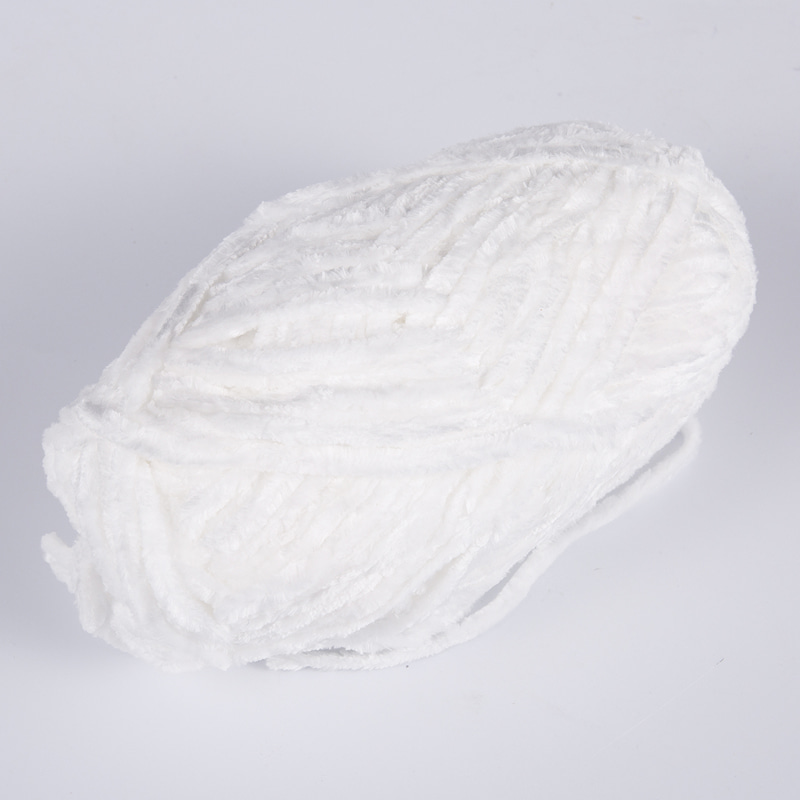
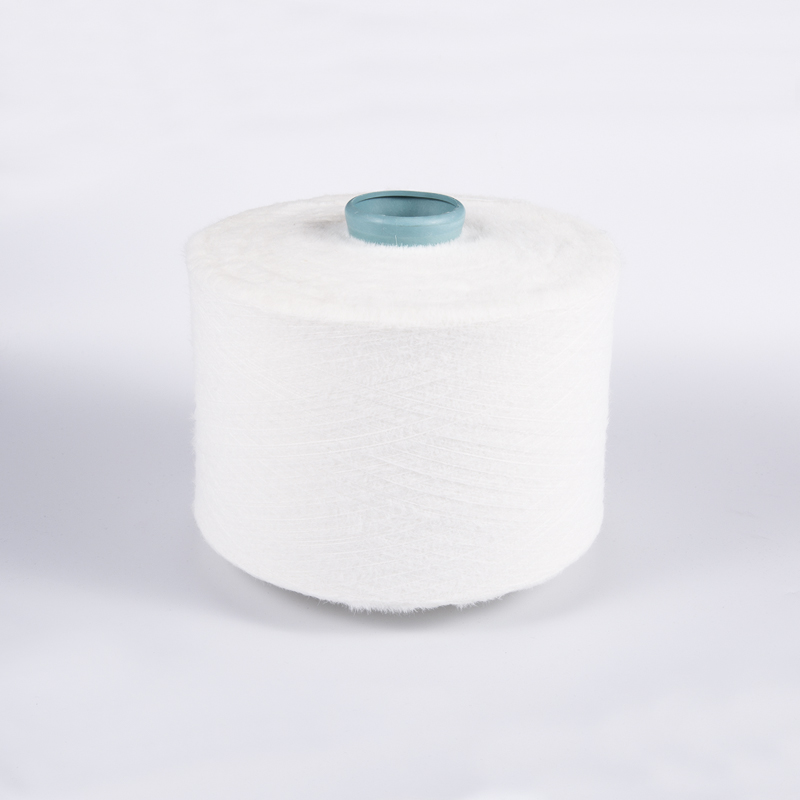
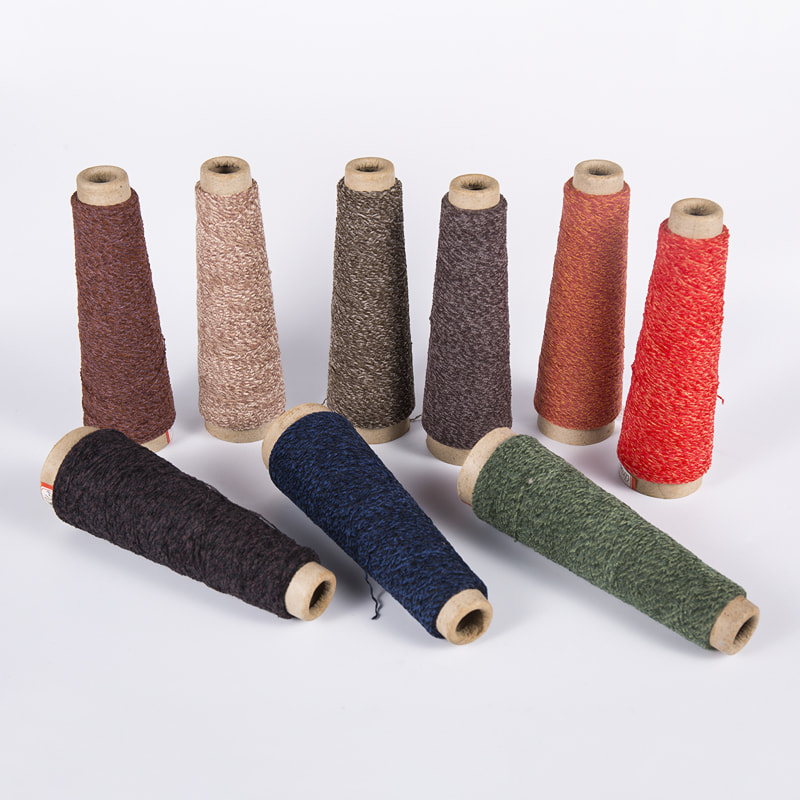
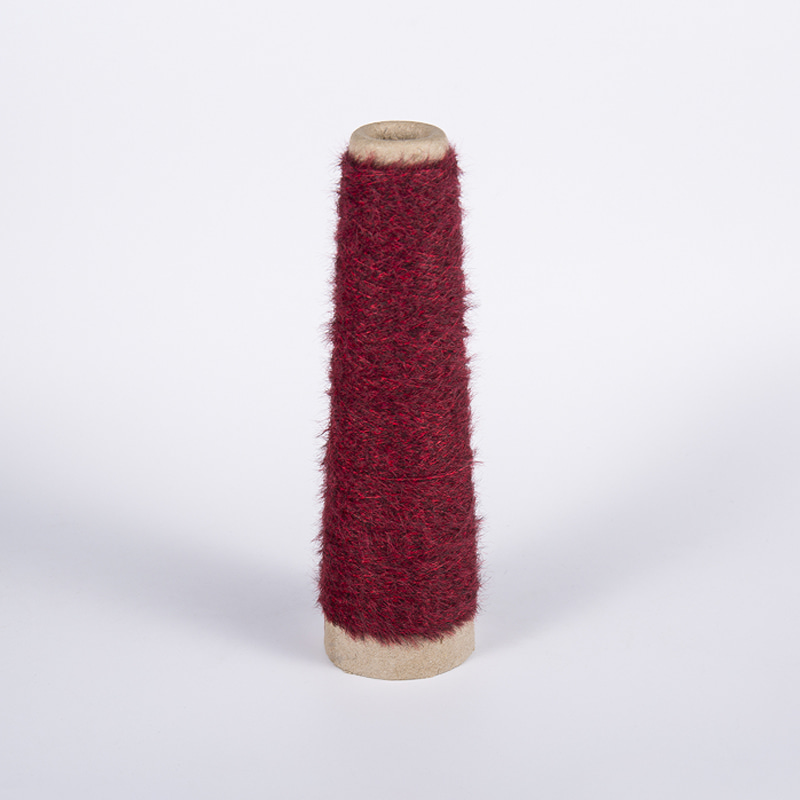
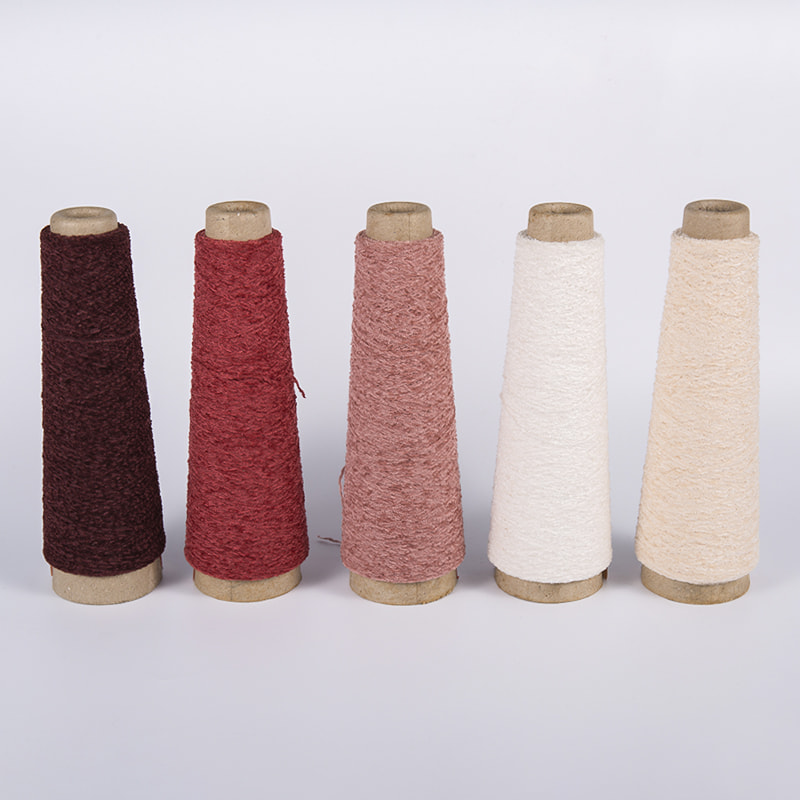
Dyed yarn is yarn that has been colored through various dyeing processes to achieve specific shades and durability. It plays a crucial role in textile manufacturing, providing both aesthetic appeal and functional properties for fabrics.
Industries such as apparel, upholstery, and technical textiles rely heavily on dyed yarn to meet both consumer and industrial requirements.
Natural fibers like cotton, wool, and silk are widely used in textile production. Cotton, in particular, is popular due to its softness, breathability, and compatibility with a range of dyes. For bulk buyers, cotton dyed yarn wholesale is often sourced from suppliers who maintain strict quality standards.
Synthetic fibers such as polyester, nylon, and acrylic offer high strength and durability. Comparing synthetic vs natural dyed yarn highlights key differences in cost, color retention, and tensile properties.
The following table summarizes the comparison:
| Fiber Type | Strength | Color Retention | Cost |
| Cotton | Medium | Moderate | Medium |
| Wool | Low | High | High |
| Polyester | High | High | Medium |
| Nylon | High | High | High |
Colorfastness is critical for both aesthetic appeal and durability. Evaluating dyed yarn colorfastness comparison helps manufacturers select appropriate dyes and treatments.
| Yarn Type | Wash Fastness | Light Fastness | Rubbing Fastness |
| Cotton | 4–5 | 4 | 4 |
| Wool | 4–5 | 5 | 4–5 |
| Polyester | 5 | 5 | 5 |
| Nylon | 5 | 5 | 4–5 |
Engineering tests measure yarn strength, elongation, and abrasion resistance. High-quality dyed yarn ensures minimal breakage during knitting or weaving, which is essential for bulk production efficiency.
Modern textile production increasingly emphasizes sustainability. Eco-friendly dyed yarn production uses low-impact dyes, water recycling, and energy-efficient machinery. These practices reduce environmental impact while maintaining quality.
Industrial dyeing includes batch and continuous processes. Automation ensures uniform color distribution and high throughput. Continuous dyeing is preferred for large-scale production, while batch dyeing offers flexibility for specialized colors.
High-quality dyed yarn for knitting is particularly valued in apparel manufacturing. It provides consistent color and strength, essential for garments, scarves, and knitwear. Beyond knitting, dyed yarn is widely used in weaving, embroidery, and technical textiles for industrial applications.
Bulk buyers must consider supplier reliability, certifications, and price-quality balance. Comparing costs for cotton dyed yarn wholesale helps in decision-making for procurement strategies.
| Supplier Type | Price per kg | Color Consistency | Delivery Time |
| Local Manufacturer | $5–6 | High | 2 weeks |
| International Supplier | $4–5 | Medium | 4–6 weeks |
| Eco-friendly Producer | $6–7 | High | 3–4 weeks |
Understanding dyed yarn from types, quality factors, production methods, and applications is crucial for industrial buyers. With evolving technology, future trends indicate more sustainable and high-performance yarns to meet market demands.
Related Products

© 2024 Suzhou Aodejia Textile Technology Co., Ltd. All Rights Reserved.





 English
 Español